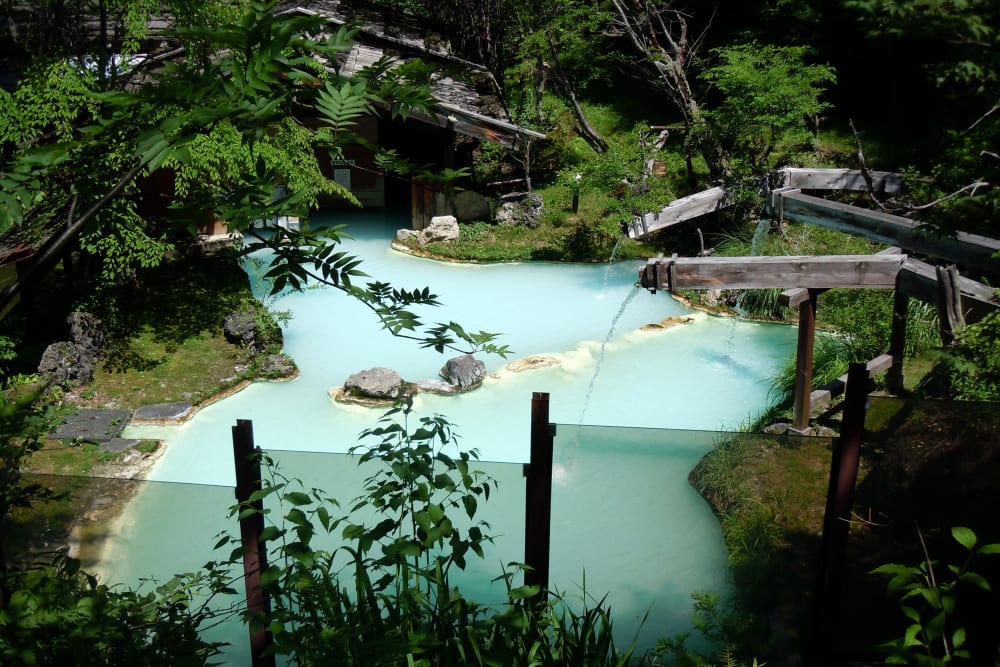
Relaxation is a much-needed activity in today’s fast-paced world. In order to unwind and rejuvenate, many people turn to hot springs or onsen. These natural hot water sources have been used for centuries for their therapeutic and healing properties. japan, in particular, is famous for its numerous hot springs scattered across the country. One such destination is Shinhotaka Onsen located in Gifu Prefecture.
Heading 2: Shinhotaka Onsen – A Serene Retreat
Shinhotaka Onsen is nestled in the heart of the Northern Alps in Japan. Surrounded by breathtaking mountain views, this onsen offers a serene retreat away from the hustle and bustle of city life. The hot spring water in Shinhotaka Onsen is known for its high mineral content, which is believed to have various health benefits.
Heading 3: The Healing Powers of Hot Springs
Hot springs have long been revered for their healing powers. The mineral-rich water is said to have therapeutic properties that can alleviate a range of ailments such as arthritis, muscle pain, and skin conditions. The hot water helps improve blood circulation, relaxes tense muscles, and reduces stress. Many people visit hot springs not only for physical healing but also for mental and emotional well-being.
Heading 3: Exploring Shinhotaka Onsen
1. Accommodation: Shinhotaka Onsen offers a variety of accommodation options ranging from traditional ryokans to modern hotels. Visitors can choose to stay in a traditional Japanese-style room with tatami mats and futons or opt for a more luxurious Western-style room. Most accommodations have their own hot spring baths, allowing guests to enjoy the therapeutic water at their convenience.
2. Onsen Experience: The highlight of a visit to Shinhotaka Onsen is, of course, the onsen experience itself. There are several public bathhouses in the area where visitors can soak in the mineral-rich water while enjoying the stunning mountain views. The baths are segregated by gender and it is customary to bathe naked. It is important to follow the onsen etiquette, such as washing thoroughly before entering the bath and keeping quiet to maintain a peaceful atmosphere.
3. Outdoor Activities: Shinhotaka Onsen is not just about hot springs. The surrounding area offers a range of outdoor activities for nature enthusiasts. Hiking trails lead to scenic viewpoints where visitors can marvel at the beauty of the Northern Alps. In winter, the region transforms into a winter wonderland, attracting skiers and snowboarders from all over the world. The nearby Shinhotaka Ropeway offers a panoramic view of the snow-covered mountains.
4. Local Cuisine: A visit to Shinhotaka Onsen is incomplete without indulging in the local cuisine. Gifu Prefecture is known for its delicious Hida beef, a premium Japanese beef known for its marbling and tenderness. Many restaurants in the area serve Hida beef in various forms, from sukiyaki to shabu-shabu. Other local specialties include soba noodles, river fish, and sake.
Heading 2: Hirayu Onsen – A Quaint Hot Spring Town
Located in the same prefecture as Shinhotaka Onsen, Hirayu Onsen is another charming hot spring town worth exploring. With its traditional wooden buildings and tranquil atmosphere, Hirayu Onsen offers a glimpse into Japan’s past.
Heading 3: The History of Hirayu Onsen
Hirayu Onsen has a long history dating back over 1,300 years. It is said that the hot spring was discovered by a wounded warrior who was healed after bathing in its waters. Since then, the hot spring has been revered for its healing properties and has become a popular destination for visitors seeking relaxation and rejuvenation.
Heading 3: Soaking in the Tranquility of Hirayu Onsen
1. Onsen Experience: Hirayu Onsen is home to several public bathhouses where visitors can immerse themselves in the healing waters. The hot spring water in Hirayu Onsen is known for its milky white appearance due to its high sulfur content. Sulfur is believed to have antibacterial and anti-inflammatory properties, making it beneficial for skin conditions such as eczema and psoriasis.
2. Ryokan Experience: Staying in a traditional ryokan is a must when visiting Hirayu Onsen. These traditional Japanese inns offer a unique experience with tatami-matted rooms, futon beds, and kaiseki meals. Kaiseki is a multi-course meal that showcases the seasonal ingredients of the region. Guests can relax in their own private hot spring baths or visit the communal baths to socialize with other guests.
3. Nature Walks: Hirayu Onsen is surrounded by lush forests and pristine nature. There are several hiking trails in the area that lead to beautiful waterfalls and scenic viewpoints. The Kamikochi Valley, located nearby, is a popular spot for nature lovers with its crystal clear rivers and majestic mountains.
4. Cultural Experiences: Hirayu Onsen offers various cultural experiences that allow visitors to immerse themselves in Japanese traditions. Visitors can participate in tea ceremonies, try their hand at traditional crafts such as pottery or calligraphy, or even dress up in kimono for a photoshoot.
In conclusion, hot springs or onsen are a popular choice for those seeking relaxation and rejuvenation. Shinhotaka Onsen and Hirayu Onsen in Gifu Prefecture, Japan, offer unique experiences with their serene surroundings, healing waters, and cultural attractions. Whether it’s soaking in the mineral-rich hot springs, exploring the scenic nature trails, or indulging in the local cuisine, a visit to these hot spring towns is sure to leave visitors feeling refreshed and revitalized. So why not plan a trip to Shinhotaka Onsen or Hirayu Onsen and experience the therapeutic powers of hot springs firsthand?
Address And Maps Location:
Azumi, Matsumoto-shi, Nagano-ken
Find Location And Direction On Google Maps
Subscribe, follow travelbloggerindonesia.com