Ten centuries of Japanese and Chinese art treasures in a setting with modern and traditional faces
The MOA Museum of Art, located on a hilltop and north of Atami, specializes in East Asian art, primarily Japanese and Chinese ceramics, sculpture, metalwork, calligraphy, paintings, and more. With some pieces dating back over one thousand years and National Treasures among the collection, the museum is a treasure trove of cultural heritage.
One of the most notable artworks in the MOA Museum of Art is Ogata Korin’s masterpiece “Red and White Plum Blossoms.” This exquisite painting is displayed on a pair of two-panel folding screens and showcases Korin’s exceptional talent and mastery of the Rinpa school of Japanese art.
Don’t Miss
The National Treasures on display
The MOA Museum of Art is home to a significant number of National Treasures, which are artworks or artifacts of immense historical and artistic value. These treasures provide a glimpse into the rich cultural heritage of japan and China and allow visitors to appreciate the craftsmanship and artistic skill of the past.
The tea garden and Korin’s Residence
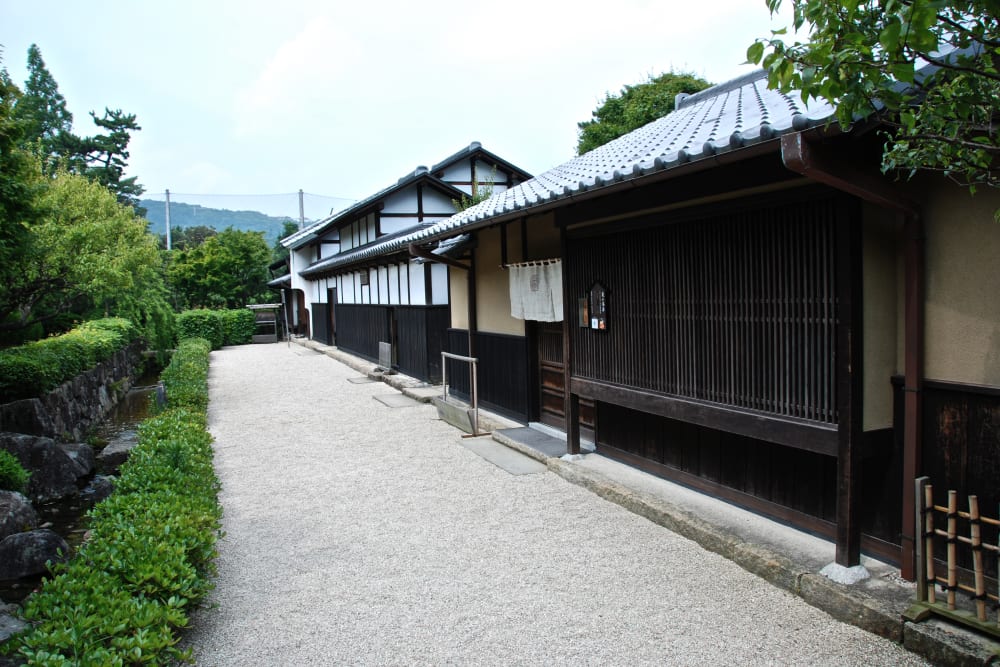
Aside from the impressive art collection, the MOA Museum of Art also features a serene tea garden and Korin’s Residence. The tea garden provides visitors with a tranquil space to relax and enjoy the surrounding nature. Korin’s Residence, on the other hand, is a reconstructed townhouse built in the Sukiya style, offering a glimpse into the traditional architecture and design of tea ceremony houses.
The view of the Pacific from Moore Square
One of the highlights of visiting the MOA Museum of Art is the breathtaking view of the Pacific Ocean from Moore Square. Situated on a hilltop, the museum offers a commanding vista of the sea, allowing visitors to appreciate the beauty of nature while immersing themselves in the world of art.
Quick Facts
The MOA Museum of Art has a reconstructed version of the gold tea ceremony room that once belonged to warlord Toyotomi Hideyoshi. This tea ceremony room provides visitors with a unique opportunity to experience the traditional Japanese tea ceremony and gain insights into the cultural practices of the past.
The museum houses an impressive collection of 3,500 paintings, calligraphy works, sculptures, and ceramic works. These artworks span various periods and styles, showcasing the diversity and richness of East Asian art.
The museum entrance, called Moore Plaza, features Henry Moore’s bronze work, “King and Queen.” This sculpture adds a touch of modernity to the museum’s exterior and serves as an introduction to the art and design that awaits inside.
How to Get There
Reaching the MOA Museum of Art is convenient and accessible. Visitors can take a train, including the shinkansen, to Atami Station, which is a bullet-train stop. From Atami Station, it is a short bus or taxi ride to the museum. The bus journey takes approximately seven minutes, while a taxi ride can get you to the museum in just five minutes.
Striking architecture, lush surroundings, and a touch of history
The MOA Museum of Art is not only a repository of art but also an architectural marvel. The museum’s square, monolithic outer lines are nicely offset by the complete Noh theater and the endless spiral of the Circular Hall inside. This striking architecture creates a sense of intrigue and anticipation as visitors explore the museum’s interior.
Surrounding the museum is a lush and green landscape, inviting visitors to take leisurely strolls and enjoy the natural beauty. The tea garden, in particular, offers a serene escape from the hustle and bustle of everyday life. Designed to evoke a sense of tranquility, the tea garden allows visitors to immerse themselves in the peaceful ambiance while savoring a cup of tea.
Another notable feature of the MOA Museum of Art is Korin’s Residence. This reconstructed townhouse, built in the Sukiya style, is based on a home owned by the artist Ogata Korin in Kyoto in 1712. The residence provides visitors with a glimpse into the traditional architecture and design of tea ceremony houses, offering insights into the lifestyle and artistic preferences of the past.
Ocean vista
For those seeking a deeper cultural experience and a moment of serenity, the MOA Museum of Art is a must-visit destination. Exploring the museum’s extensive collection of art and immersing oneself in the serene surroundings can easily fill a couple of hours. As a bonus, visitors can enjoy a commanding view of the sea from Moore Square, adding to the overall enchantment of the museum.
Recommended for You
In addition to the MOA Museum of Art, there are other attractions in the vicinity that are worth exploring. Here are two recommendations:
Atami Onsen
Atami Onsen is a popular hot spring resort town located near the museum. Known for its therapeutic hot springs, Atami offers visitors the opportunity to relax and rejuvenate in a traditional Japanese onsen. The town also boasts picturesque views of the ocean and is dotted with charming cafes, shops, and restaurants.
Yugawara
Yugawara is another nearby town renowned for its hot springs and natural beauty. Surrounded by lush mountains and overlooking Sagami Bay, Yugawara offers a tranquil escape from the bustling city life. Visitors can indulge in hot spring baths, explore scenic hiking trails, and savor local cuisine.
Conclusion
The MOA Museum of Art is a cultural gem that showcases the rich artistic heritage of Japan and China. With its extensive collection of Japanese and Chinese art spanning centuries, including National Treasures, the museum offers visitors a unique opportunity to delve into the world of East Asian art.
Beyond the artworks, the museum’s striking architecture, lush surroundings, and historical elements create an immersive and memorable experience. Whether admiring the breathtaking view of the Pacific Ocean from Moore Square, strolling through the tea garden, or exploring the reconstructed townhouse of Korin’s Residence, visitors are sure to be captivated by the museum’s charm.
For those seeking a deeper cultural dive, the MOA Museum of Art is a must-visit destination. Immerse yourself in the beauty and serenity of the art treasures on display, and gain a deeper appreciation for the rich cultural heritage of East Asia.
Address And Maps Location:
26-2 Momoyama-cho, Atami-shi, Shizuoka-ken
Find Location And Direction On Google Maps
Subscribe, follow travelbloggerindonesia.com