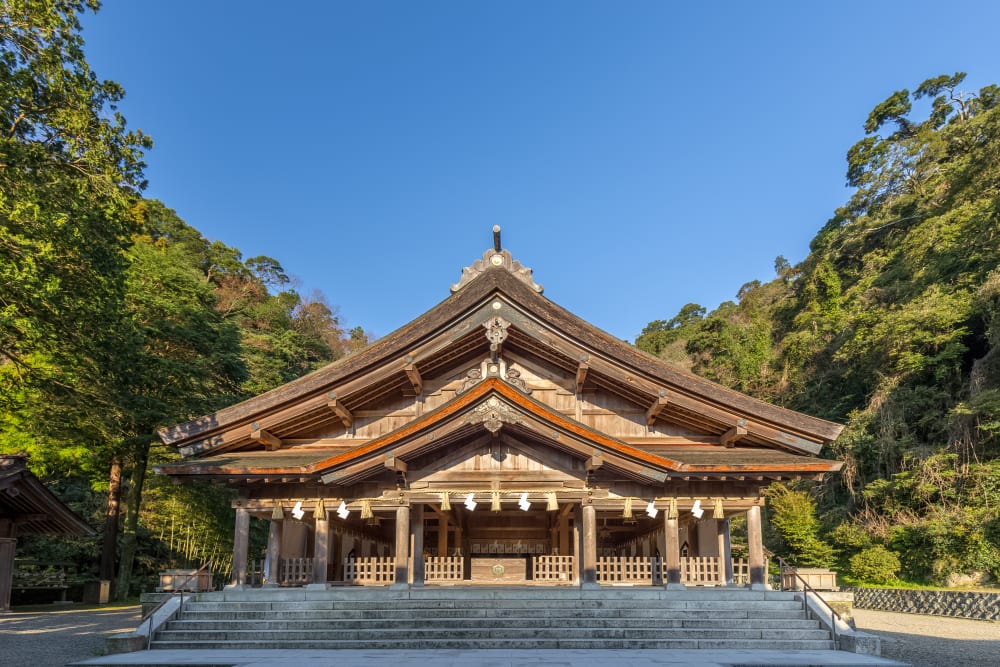
An ancient shrine beloved by musicians in a sleepy, historic fishing village
Mihonoseki, a small fishing village located in Shimane Prefecture, japan, is a place of tranquility and beauty. Once a bustling port filled with sailors and entertainment, it has transformed into a peaceful retreat that attracts visitors for its historical charm and the beloved Miho-jinja Shrine.
More than a hundred years ago, Lafcadio Hearn, a famous writer and scholar, visited Mihonoseki and described it as “one of the noisiest and merriest little havens of Western Japan.” The port was bustling with activity, with sailors drinking, gambling, and enjoying the company of geisha and dancing girls. However, the village has undergone significant changes since then, and today, it is a sleepy fishing village that offers a glimpse into Japan’s past.
The main attraction in Mihonoseki is the Miho-jinja Shrine, a place beloved by musicians and music enthusiasts. The shrine is the head shrine of more than 3,000 Ebisu shrines nationwide. Ebisu, one of the Seven Lucky Gods of Japan, is revered as a deity of fishing, academic achievement, and business prosperity. As Ebisu had a fondness for music, people have left offerings of musical instruments at the shrine throughout the years. These instruments now form a unique collection housed in the shrine’s treasure house.
The treasure house of Miho-jinja Shrine is a treasure trove for music lovers. It contains almost 900 musical instruments, both Japanese and Western, some of which are rare and unusual. Among the collection is the first accordion ever brought to Japan, a testament to the shrine’s historical significance in the realm of music. On the seventh day of every month, the treasure house opens its doors to the public, allowing visitors to admire and appreciate the musical heritage preserved within its walls.
The Miho-jinja Shrine is not the only attraction in Mihonoseki. Visitors can also enjoy the breathtaking views from Mihonoseki Lighthouse, located at the very tip of the peninsula. The lighthouse, built in 1898, is the oldest stone lighthouse in the region. From its vantage point, visitors can marvel at the expansive sea and catch glimpses of Mt. Daisen in the distance. The picturesque scenery is a feast for the eyes and a reminder of the beauty of nature.
To reach Mihonoseki, there are several transportation options available. Visitors can take a bus from JR Matsue Station and change at the Mihonoseki Bus Terminal. The journey takes approximately 40 minutes, and the final destination is Mihonoseki. Alternatively, those traveling by car can enjoy a scenic drive along the coast road, which offers stunning views of the small coves and headlands along the peninsula’s north coast.
While in Mihonoseki, visitors can also indulge in the local culinary specialties. Grilled squid is a popular choice, known for its fresh and succulent taste. Another unique treat is soy sauce-flavored ice cream, which may sound unusual but is surprisingly delicious. These local delicacies add to the charm and uniqueness of the village, providing visitors with a memorable gastronomic experience.
In conclusion, Mihonoseki is a hidden gem in Shimane Prefecture, offering a glimpse into Japan’s rich history and culture. The village’s transformation from a bustling port to a peaceful fishing village adds to its allure, providing visitors with a serene and nostalgic atmosphere. The Miho-jinja Shrine, with its collection of musical instruments, is a testament to the village’s deep connection with music. The Mihonoseki Lighthouse offers breathtaking views of the sea and Mt. Daisen, serving as a reminder of the beauty of nature. Whether it’s exploring the shrine’s treasure house, admiring the scenic vistas, or indulging in the local cuisine, Mihonoseki promises an unforgettable experience for all who visit.
Address And Maps Location:
608 Mihonoseki, Mihonoseki-cho, Matsue-shi, Shimane-ken
Find Location And Direction On Google Maps
Subscribe, follow travelbloggerindonesia.com