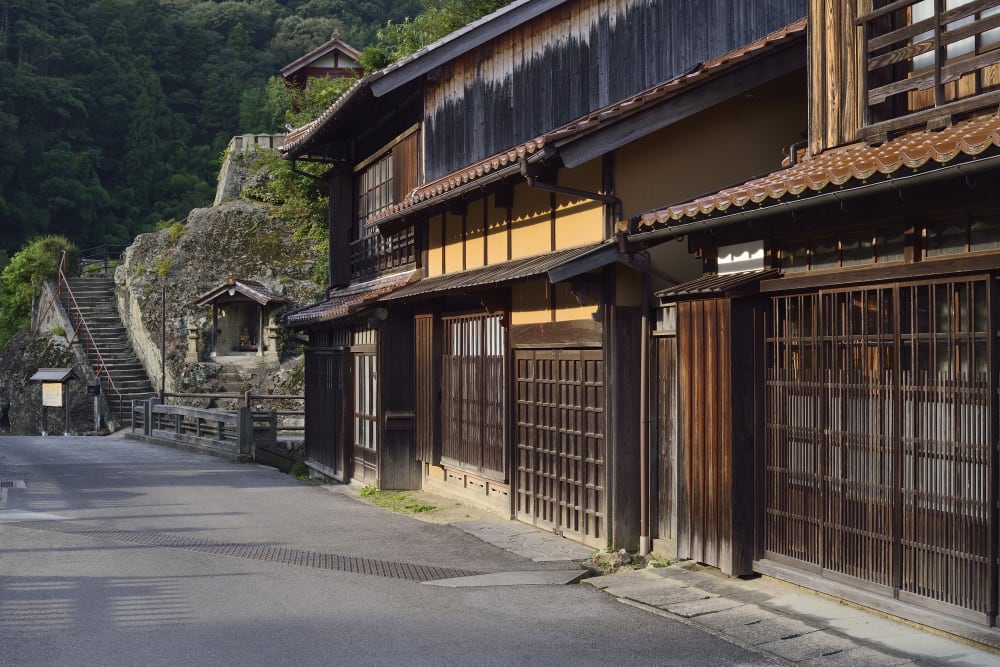
Once one of the greatest silver mines in the world, Iwami Ginzan holds a significant place in history. The name itself, which means “Silver Mountain of Iwami,” reflects the immense wealth and production that once came from its mines. At the peak of its operation in the 16th and 17th centuries, it produced a third of the world’s silver, making it a vital source of this precious metal.
Iwami Ginzan is not just a mine, but a vast area that includes the picturesque town of Omori, as well as two ports on the coast, Yunotsu and Maji. These ports served as transit points, where the silver was shipped out and supplies came in. The entire area, including the mine, town, and ports, has been recognized as a World Heritage site, showcasing its historical and cultural significance.
To fully appreciate the rich history of Iwami Ginzan, a visit to the World Heritage Center is highly recommended. This center serves as a hub of information, where visitors can learn about the area’s heritage and gain a deeper understanding of its significance. The displays in the museum cover various aspects of the mine, including its history, science, engineering, and the lives of the people who worked there. The staff at the reception area can provide printed handouts in English or even lend you an iPad for a more immersive experience.
Exploring the town of Omori is another must-do activity when visiting Iwami Ginzan. A shuttle bus conveniently takes visitors to both the top and bottom of Omori, allowing them to explore the town at their own pace. The town itself is steeped in history, with remnants of its mining past still visible. One notable stop is Rakanji, a temple with a series of caves carved into the rock face by the miners. These caves house 500 statues of rakan, each with its unique pose and expression, offering a glimpse into the spiritual side of the mining community.
For those who enjoy walking and nature, Iwami Ginzan offers two scenic routes along the old roads that connected the mine to the sea ports. The eight-kilometer route to Tomogaura near Maji Station and the 12-kilometer route to Okidomari near Yunotsu provide an opportunity to immerse oneself in the natural beauty of the area. The Okidomari route, in particular, is part of the Chugoku Nature Trail and is well-developed, making it an ideal choice for hikers. However, for those who prefer a more leisurely pace, it is also possible to explore the entire area by train, completing a full circle in a day.
After a day of exploring the mine and its surroundings, a visit to the hot spring resort of Yunotsu is a perfect way to relax and rejuvenate. Yunotsu is also part of the World Heritage site and offers a tranquil setting for travelers to unwind. From Yunotsu, visitors can embark on a route that passes through the serene countryside before ascending to the pass and descending to the mine area and Omori. Alternatively, starting the journey from Omori and heading up and over the mountain before reaching Yunotsu is also a viable option.
In conclusion, Iwami Ginzan is a remarkable destination that takes visitors on a journey through time. Its historical significance as one of the world’s greatest silver mines is evident in its World Heritage status. From exploring the mine itself to delving into the town of Omori and walking along the old roads, there are numerous opportunities to immerse oneself in the rich history and natural beauty of the area. A visit to Iwami Ginzan is not just a trip, but an experience that will leave a lasting impression.
Address And Maps Location:
1597-3, Omori-cho, Oda-shi, Shimane-ken
Find Location And Direction On Google Maps
Subscribe, follow travelbloggerindonesia.com