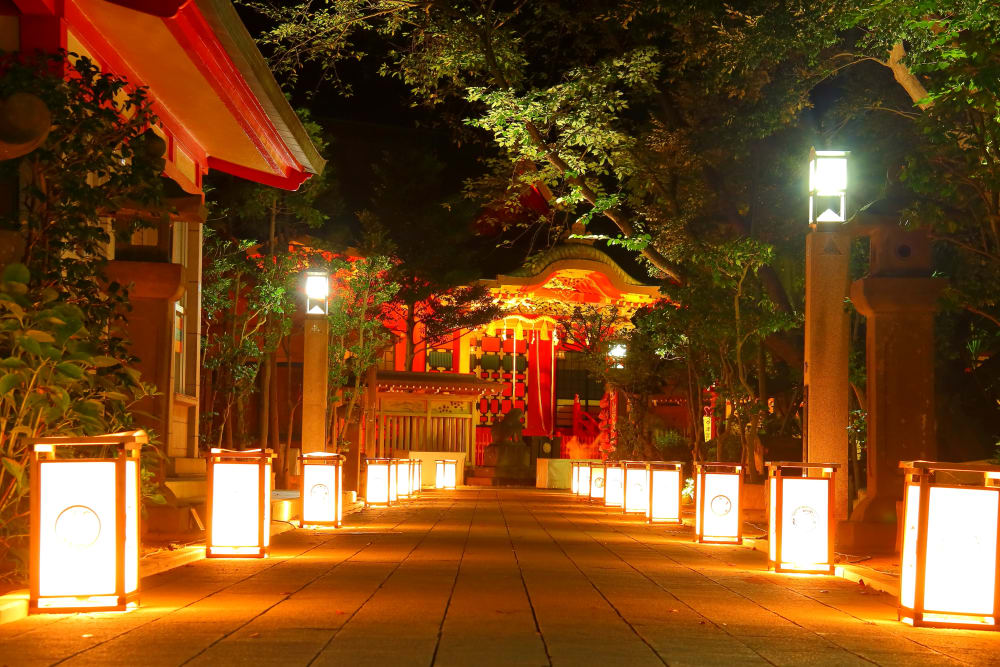
Shrines and Temples: A Glimpse into japan‘s Rich History
Introduction
Japan, a country known for its rich cultural heritage, is home to numerous shrines and temples that hold great historical and spiritual significance. These sacred sites not only serve as places of worship but also offer a glimpse into the country’s past, providing visitors with a unique opportunity to immerse themselves in Japan’s fascinating history. In this article, we will explore some of the most renowned shrines and temples in Japan, focusing on their historical background, architectural features, and cultural significance.
I. The Importance of Shrines and Temples in Japanese Culture
Shrines and temples play a vital role in Japanese culture and society. Rooted in ancient religious beliefs and practices, they serve as places of worship and spiritual reflection for the Japanese people. Shinto, the indigenous religion of Japan, emphasizes the worship of various deities or kami, who are believed to inhabit natural elements such as mountains, rivers, and trees. Shinto shrines are dedicated to these kami and are characterized by their distinctive torii gates, sacred trees, and purification rituals.
On the other hand, Buddhism, which was introduced to Japan from China and Korea in the 6th century, brought with it a different set of religious beliefs and practices. Buddhist temples, with their serene atmosphere and intricate architecture, provide a space for meditation, prayer, and the study of Buddhist teachings. They often house statues of Buddha and other important figures in Buddhist history.
II. Exploring the Enoshima Shrine: A Fusion of Shinto and Buddhist Traditions
Located in Fujisawa-shi, Kanagawa-ken, the Enoshima Shrine is a prime example of a sacred site that combines both Shinto and Buddhist traditions. It is situated on Enoshima Island, a small island off the coast of Kanagawa Prefecture, and attracts countless visitors each year due to its historical significance and picturesque surroundings.
1. Historical Background
The Enoshima Shrine has a long and storied history that dates back to ancient times. According to legend, the island was created by the goddess Benzaiten, one of the Seven Lucky Gods in Japanese mythology. Benzaiten is considered the goddess of music, eloquence, and knowledge, and is believed to reside on Enoshima Island. Over the centuries, the shrine has been expanded and renovated, reflecting the changing religious and cultural landscape of Japan.
2. Architectural Features
The Enoshima Shrine is known for its unique architectural features that blend both Shinto and Buddhist styles. As visitors approach the shrine, they are greeted by a majestic torii gate, which marks the entrance to the sacred grounds. The main hall, or honden, is a beautiful example of Shinto architecture, with its thatched roof, wooden beams, and intricate carvings. Inside the hall, visitors can pay their respects to the deities and offer prayers for good fortune and success.
Adjacent to the main hall is the Enoshima Benten-do, a Buddhist temple dedicated to Benzaiten. This temple features stunning Buddhist statues and artwork, including a statue of Benzaiten herself. The fusion of Shinto and Buddhist elements creates a unique and harmonious atmosphere, inviting visitors to experience the spiritual essence of both religions.
3. Cultural Significance
The Enoshima Shrine holds great cultural significance for the Japanese people. It is often visited by those seeking blessings for success in academics, music, and the arts, as Benzaiten is considered the patron goddess of these fields. Many students and artists come to the shrine to pray for inspiration and guidance in their creative endeavors.
The shrine is also associated with romantic love and is a popular destination for couples. It is believed that couples who visit the shrine together will have their wishes for a lasting and harmonious relationship granted. As a result, the Enoshima Shrine has become a popular spot for wedding ceremonies and romantic outings.
III. Exploring Other Notable Shrines and Temples in Japan
While the Enoshima Shrine is undoubtedly a must-visit destination, Japan is home to countless other shrines and temples that are equally deserving of recognition. Here are a few notable examples:
1. Fushimi Inari Taisha – Located in Kyoto, Fushimi Inari Taisha is famous for its thousands of vibrant red torii gates that lead up to the sacred Mount Inari. It is dedicated to Inari, the Shinto god of rice and agriculture, and is considered one of the most important shrines in Japan.
2. Todai-ji – Situated in Nara, Todai-ji is home to the Great Buddha, a colossal bronze statue that stands at over 15 meters tall. It is the largest wooden structure in the world and is a UNESCO World Heritage site.
3. Kiyomizu-dera – Perched on a hill in Kyoto, Kiyomizu-dera offers breathtaking panoramic views of the city. The temple is known for its wooden terrace, which juts out from the main hall and is supported by massive wooden pillars.
Conclusion
Shrines and temples are an integral part of Japanese culture, providing a glimpse into the country’s rich history and spiritual traditions. Whether it’s the Enoshima Shrine with its fusion of Shinto and Buddhist elements or other renowned sites like Fushimi Inari Taisha, Todai-ji, and Kiyomizu-dera, these sacred places offer visitors a unique and immersive experience. As you explore Japan’s shrines and temples, you’ll gain a deeper understanding of the country’s cultural heritage and the significance of these sacred sites in the lives of the Japanese people. So, why not embark on a journey of discovery and explore the wonders of Japan’s shrines and temples for yourself?
Address And Maps Location:
2-3-8 Enoshima, Fujisawa-shi, Kanagawa-ken
Find Location And Direction On Google Maps
Subscribe, follow travelbloggerindonesia.com