Ishiteji Temple: A Glimpse into Japanese History and Culture
Introduction
japan is a country rich in history and culture, with numerous temples and shrines that reflect its deep spiritual heritage. One such temple is Ishiteji Temple, located near Dogo Onsen in the Ehime Prefecture of Shikoku Island. This temple holds great significance as it is part of the famed 88 Temple Pilgrimage and is dedicated to the renowned Buddhist monk, Kukai, also known as Kobo Daishi. Visitors to Ishiteji Temple can not only delve into Japanese history but also explore a collection of unusual artifacts that make this temple truly unique.
How to Get There
Reaching Ishiteji Temple is relatively easy, thanks to its proximity to the Dogo Onsen tram stop. From the tram stop, visitors can either take a leisurely 15-20 minute walk or opt for a short bus journey to reach the temple. Dogo Onsen is a tram line terminus, so getting there from JR Matsuyama Station or Matsuyama-shi Station is convenient. From Matsuyama-shi Station, visitors can take tram line three, while tram line five connects JR Matsuyama Station to Dogo Onsen.
Curiouser and Curiouser: Unusual Elements at Ishiteji Temple
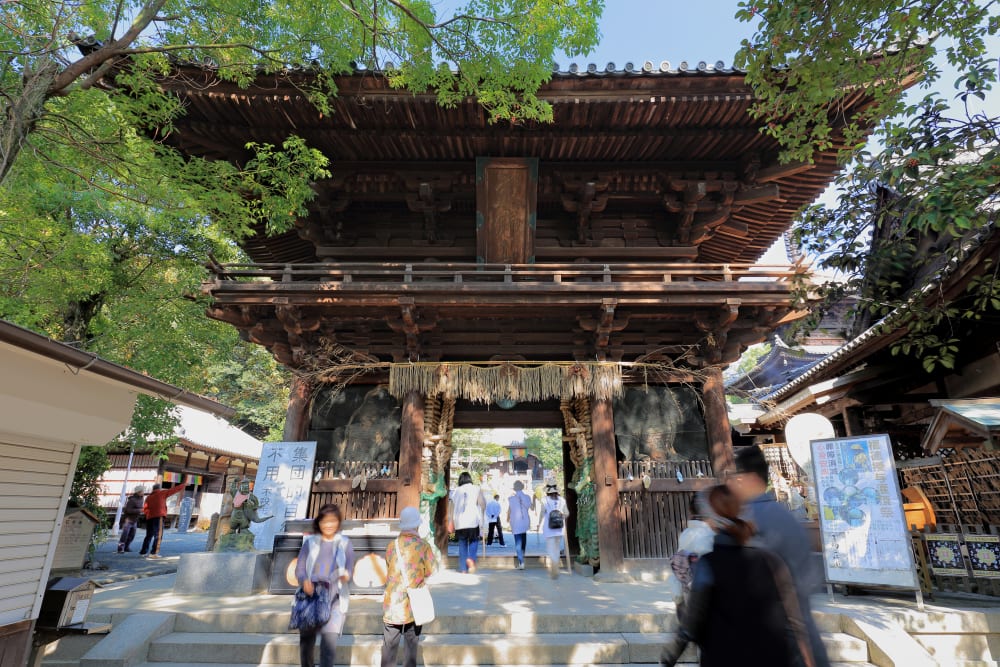
One of the most fascinating aspects of Ishiteji Temple is the presence of several unusual elements that capture the curiosity of visitors. As you enter through the Niomon Gate, you will be greeted by two gigantic straw sandals. Legend has it that if you touch these sandals, you will be cured of any leg ailments. This belief has attracted countless visitors seeking relief from their physical ailments.
Hidden Treasures: An Oddly Curated Collection
Ishiteji Temple houses a diverse range of statues, making it an intriguing destination for art enthusiasts and history buffs alike. The collection includes skeletal Buddhas and baroque dragons, offering a unique perspective on Buddhist art. Additionally, the temple features a hidden second temple accessed through a cave. This hidden temple contains a statue for each of the temples in the 88 Temple Pilgrimage, representing the various forms of Buddha. Exploring this hidden gem provides a deeper understanding of the religious and artistic significance of the pilgrimage.
Ancient Roots: Pagoda, Bell Tower, and Kobo Daishi
Within the central courtyard of Ishiteji Temple, visitors can marvel at a magnificent three-story pagoda and a bell tower. These structures not only showcase the architectural brilliance of ancient Japan but also serve as reminders of the temple’s rich history. As you wander through the temple, the fragrance of incense fills the air, emanating from a large bronze urn. This incense is believed to have healing properties and is a customary practice for visitors seeking blessings and purification.
Perched on a hill above Ishiteji Temple stands a grand statue of Kobo Daishi, the founder of Japanese Shingon Buddhism. This statue serves as a powerful symbol of the temple’s reverence for Kukai and the teachings he imparted. The presence of this statue creates a sense of awe and reverence, reminding visitors of the profound impact that Kukai had on Japanese Buddhism.
Recommended for You: Matsuyama Castle and Dogo Onsen
While visiting Ishiteji Temple, it is highly recommended to explore other nearby attractions that offer a glimpse into the rich cultural heritage of the region. One such attraction is Matsuyama Castle, a majestic fortress that stands proudly atop a hill overlooking the city. This castle is one of the few remaining original castles in Japan and provides panoramic views of Matsuyama and its surroundings.
Another must-visit destination is Dogo Onsen, one of Japan’s oldest hot springs. This historic hot spring has been frequented by emperors, samurais, and literary figures throughout history. The main building, known as Dogo Onsen Honkan, is a designated National Important Cultural Property and exudes an air of elegance and tradition. Visitors can immerse themselves in the healing waters and experience the timeless charm of Japanese bathing culture.
Conclusion
Ishiteji Temple offers a fascinating journey into Japanese history and culture. From its association with the famous Buddhist monk Kukai to its collection of unusual artifacts, this temple provides a unique perspective on the country’s spiritual heritage. Exploring Ishiteji Temple allows visitors to gain a deeper understanding of Japanese Buddhism and appreciate the intricate artistry that adorns the temple grounds. Combined with nearby attractions such as Matsuyama Castle and Dogo Onsen, a visit to Ishiteji Temple promises an enriching and unforgettable experience. So, make sure to include this hidden gem in your itinerary when exploring the cultural wonders of Japan.
Address And Maps Location:
2-9-21 Ishite, Matsuyama-shi, Ehime-ken
Find Location And Direction On Google Maps
Subscribe, follow travelbloggerindonesia.com