A Shrine Dedicated to the God of Learning: Hofu Tenmangu Shrine
Introduction:
Hofu Tenmangu Shrine is the oldest of the three large Tenjin shrines in japan. It is a place where people gather when facing tests and hoping to achieve academic success, as the resident god of the shrine is associated with learning. The shrine, located in Matsuzaki-cho, Hofu-shi, Yamaguchi-ken, stands as a symbol of knowledge and wisdom. With its rich history and vibrant festivals, Hofu Tenmangu Shrine attracts visitors from all walks of life. In this article, we will delve into the history, festivals, and notable features of this shrine.
History of the Shrine:
Hofu Tenmangu Shrine has a long and illustrious history that dates back to the 9th century. It was founded in 904 by Sugawara no Michizane, a scholar and politician of the Heian period. Sugawara no Michizane, also known as Tenjin, was a revered figure associated with learning and scholarship. He was deified after his death and became the god of learning and academic success.
The shrine was originally built as a place to honor and pay respects to Sugawara no Michizane. Over the centuries, it has undergone several renovations and expansions, but its essence and purpose have remained the same. Today, it stands as a testament to the importance of education and the pursuit of knowledge.
Notable Features of Hofu Tenmangu Shrine:
Hofu Tenmangu Shrine is known for its vibrant and colorful main shrine, which is a sight to behold. The brightly colored exterior stands out against the serene surroundings, creating a harmonious blend of nature and architecture. The shrine is accessible via a steep climb up the stairs, but the effort is worthwhile for the breathtaking view from the top.
One of the highlights of the shrine is the Shunpuro Hall, a Registered Tangible Cultural Property. The hall offers a panoramic view of the surrounding area and is a popular spot for visitors to appreciate the beauty of the landscape. It is particularly stunning during the plum blossom season, which occurs from mid-February to early March. The plum blossoms are the symbol of the god Tenjin and add a touch of vibrant color to the already picturesque scenery.
Another notable feature of Hofu Tenmangu Shrine is the Hofu Tenmangu History Museum. The museum provides insights into the shrine’s history, displaying artifacts and documents related to Sugawara no Michizane and the shrine’s significance. Visitors can learn about the life and achievements of Tenjin, as well as the cultural and historical context of the shrine.
Festivals at Hofu Tenmangu Shrine:
Hofu Tenmangu Shrine hosts a variety of festivals throughout the year, each with its unique significance and charm. One of the most famous festivals is the plum blossom viewing, which takes place from mid-February to early March. During this time, the shrine is adorned with 1,100 plum trees in full bloom. Visitors can stroll through the shrine grounds, enjoying the delicate fragrance and vibrant colors of the blossoms.
From April to May, the shrine holds “Happiness Week,” a festival that celebrates joy and positivity. During this time, the steps of the shrine are decorated with colorful potted plants, creating a cheerful and festive atmosphere. Visitors can immerse themselves in the beauty of the flowers and take part in various cultural activities and performances.
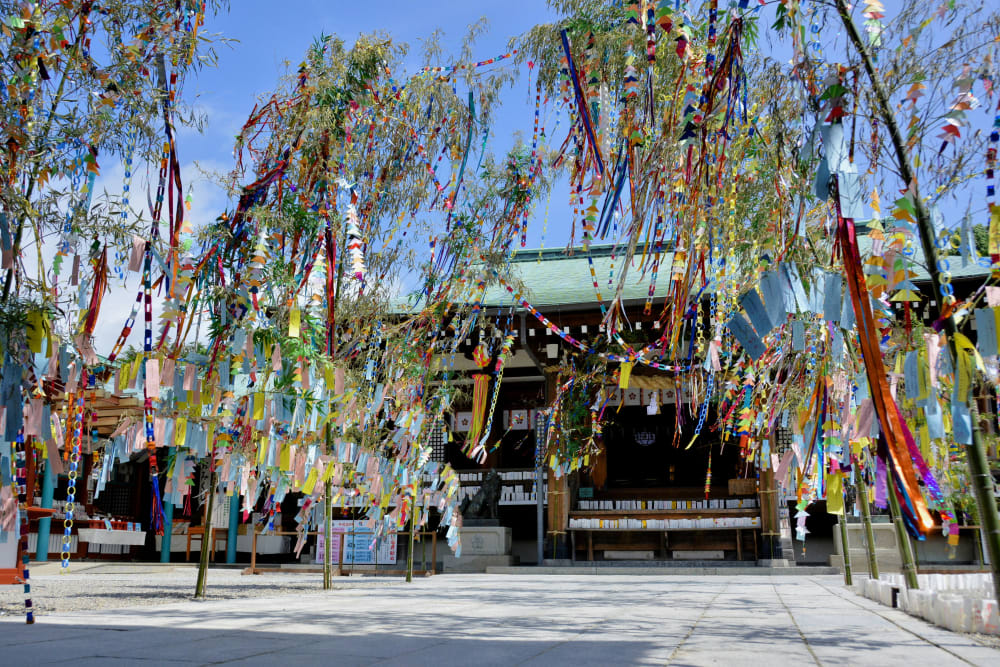
Another significant festival at Hofu Tenmangu Shrine is Tanabata, also known as the Star Festival. Held from July 1 to 7 every year, Tanabata is a celebration of love and wishes. The shrine is adorned with colorful streamers and papers inscribed with wishes and dreams. These are tied to bamboo poles in front of the shrine, creating a spectacle of colors and hopes. On the night of July 7, the shrine is illuminated by lanterns, creating a magical and enchanting atmosphere.
How to Get There:
Hofu Tenmangu Shrine is easily accessible by train. From Shin-Yamaguchi Station, visitors can take the Sanyo Line to Hofu Station. The shrine is a 15-minute walk or a five-minute bus ride from Hofu Station. The convenient transportation options make it convenient for both locals and tourists to visit the shrine and experience its beauty and spiritual significance.
Conclusion:
Hofu Tenmangu Shrine is more than just a religious site. It is a place of inspiration and hope for those seeking academic success and personal growth. The shrine’s rich history, vibrant festivals, and stunning architecture make it a must-visit destination in Yamaguchi-ken. Whether you are a student preparing for exams or a traveler seeking cultural and historical experiences, Hofu Tenmangu Shrine offers a unique and enriching experience. So, plan your visit and immerse yourself in the world of knowledge and wisdom at Hofu Tenmangu Shrine.
Address And Maps Location:
14-1 Matsuzaki-cho, Hofu-shi, Yamaguchi-ken
Find Location And Direction On Google Maps
Subscribe, follow travelbloggerindonesia.com