Keywords: History, Historical Site
Recommended for You: Tsushima Island, Hirado
Introduction
Nagasaki, located in the Nagasaki Prefecture of japan, is a city rich in history and known for its historical sites. This article will explore the historical significance of Nagasaki and highlight some of its notable landmarks. From the devastating events of World War II to the flourishing trade during the Edo period, Nagasaki has played a crucial role in shaping Japan’s history. Let us delve into the past and discover the stories that have shaped this remarkable city.
Heading 2: History of Nagasaki
Nagasaki has a long and storied history, dating back to ancient times. The city’s strategic location on the western coast of Kyushu made it an important port for trade and cultural exchange. In the 16th century, Nagasaki became a hub for international trade, attracting merchants from Europe, China, and Korea.
During the Edo period (1603-1868), Nagasaki was one of the few ports open to foreign trade. The Dutch were granted special trading privileges and established a trading post on the artificial island of Dejima. This Dutch trading house played a significant role in shaping Nagasaki’s economy and cultural landscape.
Heading 3: Dejima and the Dutch Trading House
Dejima, a man-made island in Nagasaki Bay, was the only place where foreign traders were allowed to reside during the Edo period. The Dutch trading house on Dejima became the center of exchange between Japan and the Western world. It served as a gateway for the introduction of Western knowledge, technology, and culture into Japan.
The Dutch traders brought a wide range of goods, including books, scientific instruments, and Western art. They also introduced new farming techniques and crops, contributing to the agricultural development of Nagasaki and its surrounding areas. The influence of the Dutch trading house can still be seen in the architecture and cultural heritage of Nagasaki today.
Heading 2: The Tragedy of World War II
Nagasaki’s history took a tragic turn during World War II. On August 9, 1945, the United States dropped an atomic bomb on Nagasaki, resulting in the loss of thousands of lives and the complete destruction of the city. This devastating event marked the end of World War II and had a profound impact on the world.
Heading 3: Atomic Bomb Museum and Peace Park
The Atomic Bomb Museum and Peace Park in Nagasaki serve as a somber reminder of the destructive power of nuclear weapons. The museum showcases the devastating effects of the atomic bomb and the stories of the survivors, known as hibakusha. It aims to promote peace and nuclear disarmament, urging visitors to reflect on the horrors of war and the importance of global harmony.
The Peace Park, located near the hypocenter of the atomic bomb explosion, is a place of remembrance and contemplation. It features numerous monuments, including the Peace Statue and the Fountain of Peace, symbolizing the hope for a world free from nuclear weapons. The park serves as a powerful testament to the resilience of the people of Nagasaki and their commitment to peace.
Heading 2: Historical Sites in Nagasaki
Apart from the tragic events of World War II, Nagasaki is also home to numerous historical sites that showcase its rich cultural heritage. These sites provide a glimpse into the city’s past and offer visitors a chance to immerse themselves in its history.
Heading 3: Tsushima Island
Tsushima Island, located in the Korea Strait, is known for its historical significance and natural beauty. It played a crucial role in Japan’s relations with Korea and China during the medieval period. The island is home to several historical sites, including Tsushima Castle and the ruins of Komoda Castle. Visitors can explore these ancient structures and learn about the island’s strategic importance in regional politics.
Heading 3: Hirado
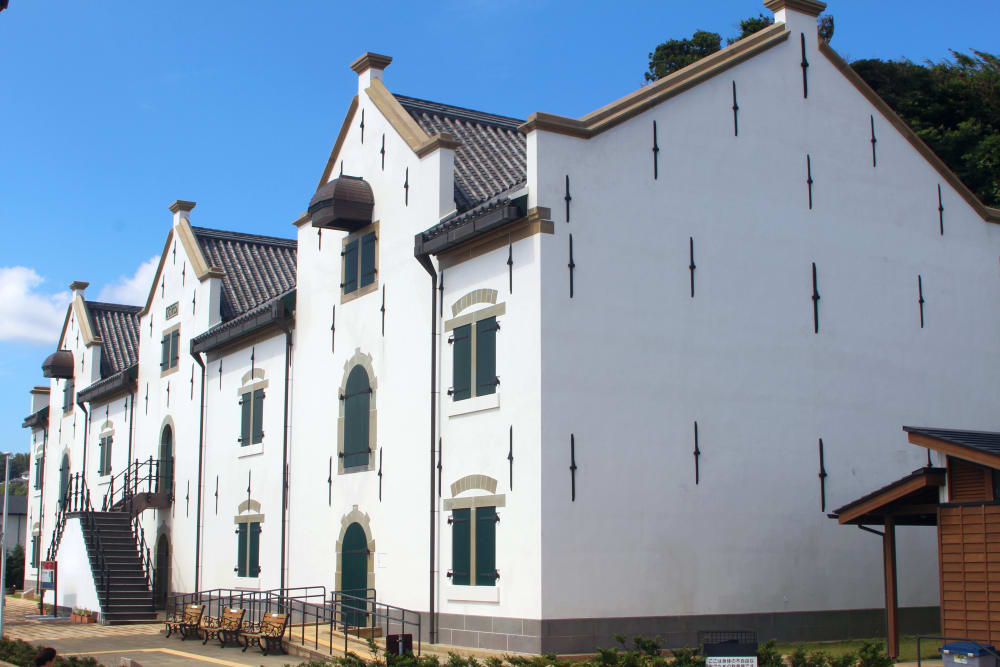
Hirado, a small coastal town in Nagasaki, is another historical gem worth visiting. It was once an important trading port and served as a base for foreign merchants during the Edo period. The Hirado Dutch Trading House, a remnant of this era, is a fascinating attraction that offers insights into the city’s international trade history. The town also boasts several well-preserved historical buildings, such as Hirado Castle and the Old Hirado Dutch Trading Post.
Conclusion
Nagasaki’s history is a tapestry of triumphs and tragedies. From its role in international trade to the devastation caused by the atomic bomb, the city has experienced both the heights of prosperity and the depths of suffering. Today, Nagasaki stands as a testament to the resilience of its people and their commitment to peace. By preserving its historical sites and sharing their stories, Nagasaki ensures that the lessons of the past are never forgotten. Visitors to Nagasaki can immerse themselves in the city’s rich history and gain a deeper understanding of Japan’s cultural heritage.
Address And Maps Location:
2477 okubo-cho, Hirado-shi, Nagasaki-ken
Find Location And Direction On Google Maps
Subscribe, follow travelbloggerindonesia.com