
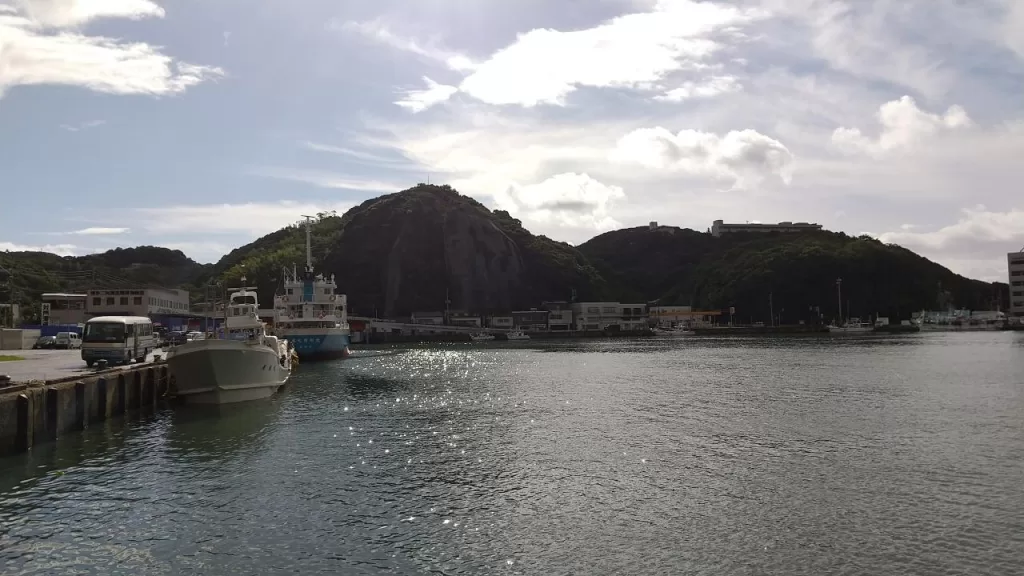
Tsushima Island is a forested destination in Nagasaki Prefecture between Japan’s Kyushu region and the Korean Peninsula. Its wooded mountains, quiet bays, coastal observation points and rare wildlife make it attractive for travellers who enjoy nature rather than densely scheduled city sightseeing. This guide explains how to get there from Fukuoka or Nagasaki, what to see, how long to stay and why independent transport planning matters.
Key Takeaways
Tsushima Island: Travel Essentials
- Location: Nagasaki Prefecture, between Kyushu and South Korea.
- Area: Approximately 709 square kilometres, with much of the island covered in forest.
- Access: Domestic flights from Fukuoka and Nagasaki, or ferries from Hakata Port in Fukuoka.
- Fast ferry: JNTO describes the Kyushu Yusen jetfoil journey as about 2 hours 15 minutes; standard ferry services may take around 4 hours 45 minutes, depending on destination and sailing.
- Best duration: Two or three days with arranged transport.
- Activities: Coastal drives, hiking, birdwatching, cultural sites and wildlife conservation experiences.
How to Get to Tsushima
Flights from Fukuoka or Nagasaki
Japan National Tourism Organization lists flights of roughly 35 minutes from both Fukuoka and Nagasaki airports. Schedules, aircraft, baggage rules and fares change, so check an airline directly. Travellers arriving in Kyushu can plan a stop around Hakata or explore Fukuoka Tower before travelling to the island.
Ferries from Hakata Port
Regular passenger services connect Hakata with Tsushima, including jetfoil and conventional ferry options. Journey times differ considerably, and some sailings call at different island ports. Confirm the exact arrival location, operator, weather policies and return timetable. Our guide to Hakata Port Area provides broader port context.
Getting around Tsushima itself
The island is large and rural. Buses may not fit every sightseeing plan, so renting a car or arranging a driver can be useful. Japanese roads may be narrow in mountainous districts; allow more time than distance estimates suggest. International visitors should verify licence requirements before hiring a vehicle.
Best Things to Do on Tsushima Island
1. Mount Eboshi Observation Deck
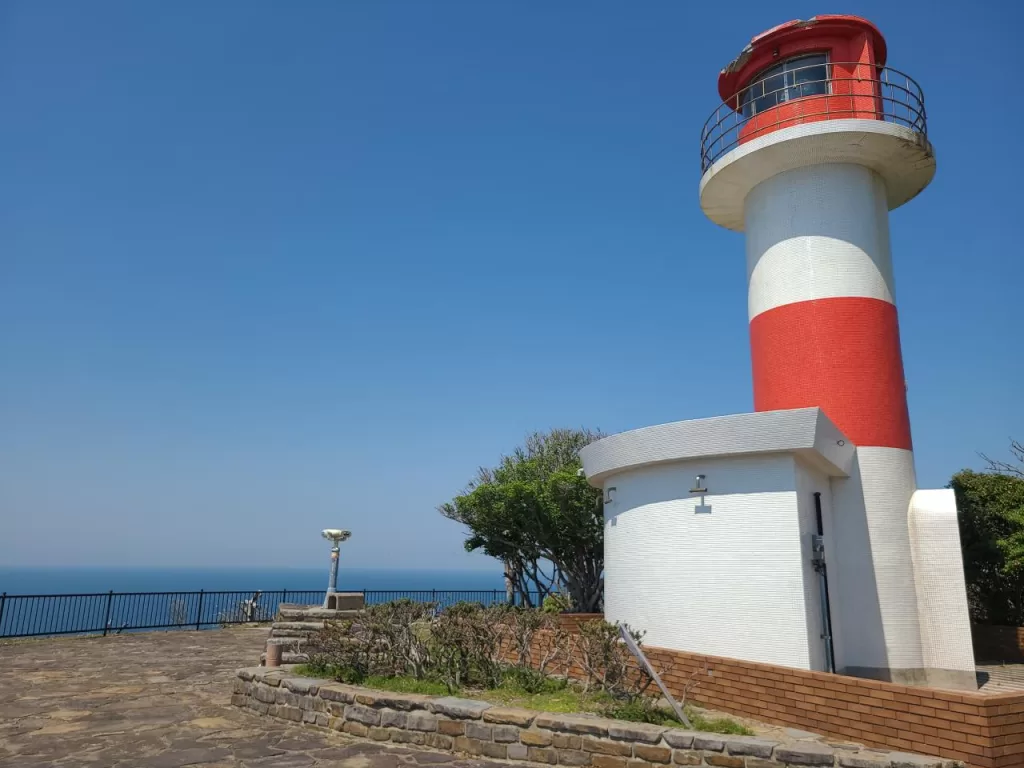
Mount Eboshi offers an expansive view over Aso Bay’s many inlets and islands. Visibility depends on the weather, and roads leading to viewpoints can be winding. It is one of the strongest reasons to spend time exploring the island away from a ferry terminal.
2. Aso Bay and coastal scenery
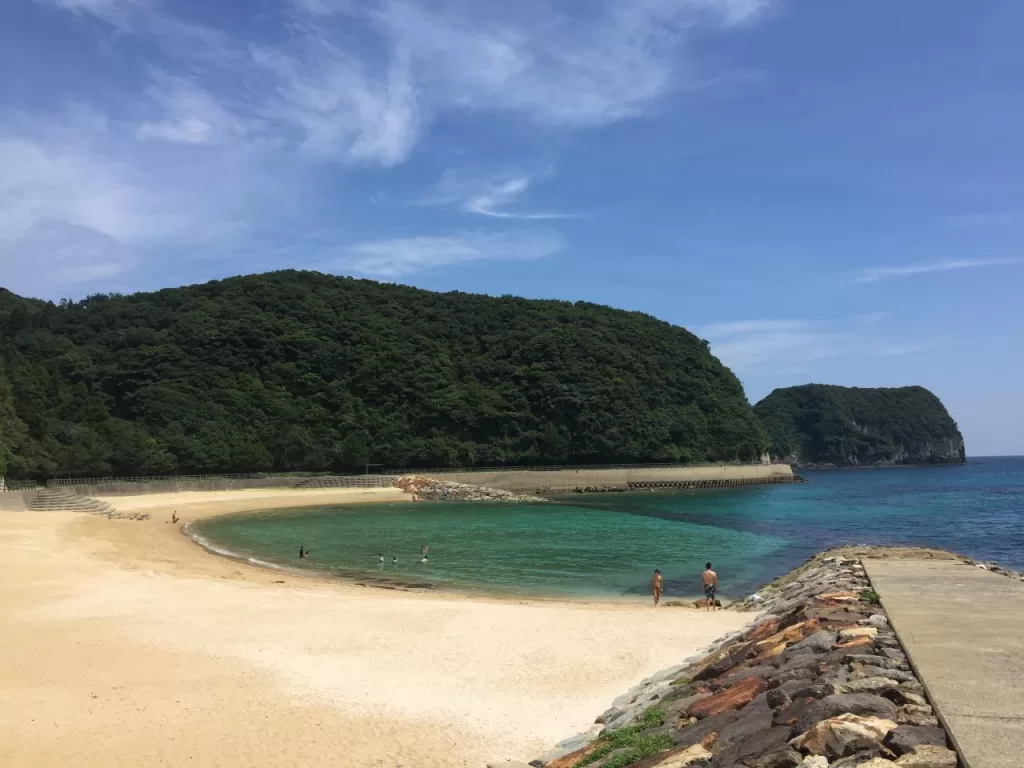
The deeply indented coastline is excellent for photography, careful hiking and slow travel. Some beaches and coves are reached by narrow routes. Respect private access and never assume a quiet area has lifeguard services.
3. Tsushima Wildlife Conservation Center
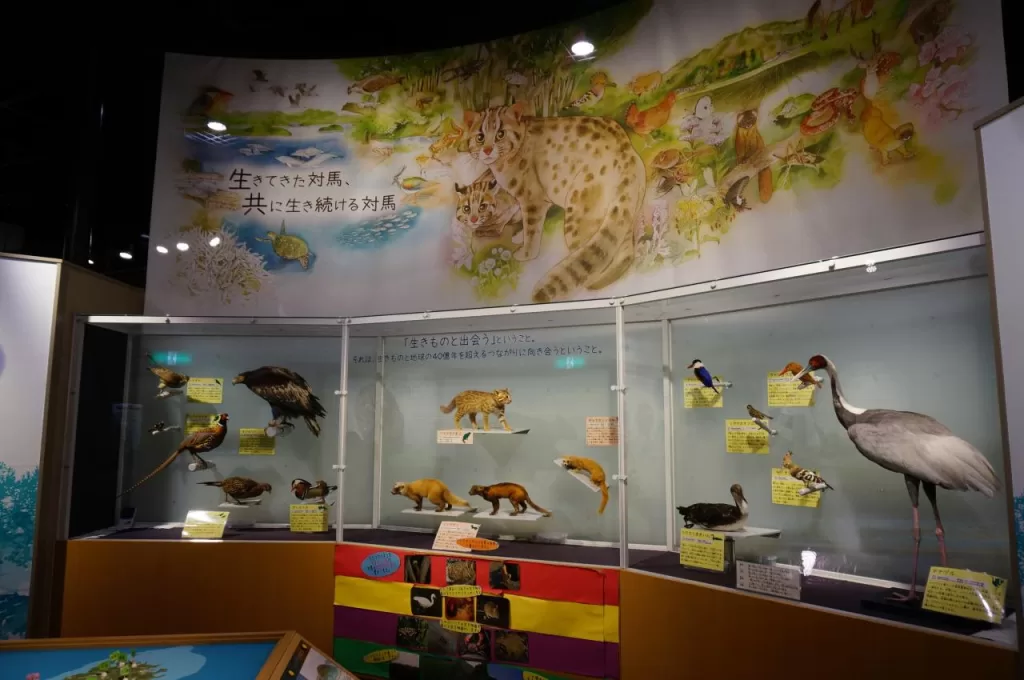
Tsushima is home to the endangered Tsushima leopard cat, a highly protected native species. The conservation centre at Saozaki Park explains efforts to protect the animal and its forest habitat. Visitors should not expect to encounter wild cats or assume all exhibits are always accessible. Verify centre opening days before making the trip.
4. History and connections with Korea
Tsushima’s location helped shape centuries of relations between Japan and the Korean Peninsula. Historical sites and local museums offer context that goes beyond the scenery. This is a fascinating destination for travellers interested in how island geography influenced diplomacy and trade.
5. Local food and quiet villages
Try regional seafood and rokube, a distinctive sweet-potato-based noodle dish. Opening hours of rural restaurants may be limited, so carry snacks and water on longer drives. Treat fishing villages as living communities and ask before photographing people.
When to Visit Tsushima
Spring and autumn
Mild days can be especially appealing for walking and forest views. Wind and sea conditions still affect ferries and coastal access, particularly during seasonal weather systems.
Summer
Green hills and coastal scenery can be attractive, but humidity and storms are concerns. Typhoons may disrupt flights or ferries; leave flexibility if the island is part of a tightly scheduled international itinerary.
Winter
Cooler temperatures can make short hikes comfortable, but strong winds and sea conditions may affect crossings. Do not rely on a single final ferry without checking the weather and backup options.
Suggested Two-Day Tsushima Itinerary
Day one: arrival and Aso Bay
Arrive by ferry or plane and travel toward viewpoints around Aso Bay. Spend time taking in the landscape rather than driving continuously. Book accommodation where transport and food options are practical.
Day two: wildlife and culture
Visit the Saozaki Park area if the conservation facilities are open, then explore historical sites or a coastal village. Allow ample travel time to reach your departing airport or ferry terminal.
Combining Tsushima with Other Kyushu and Island Destinations
For another island experience, consider Iki Island, which has its own ferry logistics and historic sites. Travellers continuing around northern Kyushu can explore Sasebo and Hirado, Hirado or the Hirado Dutch Trading Post on separate days.
For another local Kyushu experience, explore Fukuoka Sumo Tournament or Hakata Gion Yamakasa Festival if their season aligns with your visit. Fukuoka city has distinct experiences including yatai food stalls, Fukuoka Castle’s Maizuru Park, Fukuoka Asian Art Museum and Kyushu National Museum. For historical reflection in Nagasaki, see the Nagasaki Atomic Bomb Museum and Nagasaki Peace Park.
Frequently Asked Questions
Is Tsushima closer to Korea than mainland Japan?
It lies close to the Korean Peninsula, although Tsushima is part of Japan’s Nagasaki Prefecture.
Can I do a day trip to Tsushima?
A short visit is possible with suitable transport, but two or more days are much better for the widely dispersed scenery and wildlife sites.
Do I need a rental car?
Not necessarily, but private transport makes it much easier to reach remote viewpoints and rural attractions.
Can I see a Tsushima leopard cat in the wild?
Sightings are extremely unlikely and should never be pursued by disturbing wildlife. Visit conservation interpretation facilities to learn about the species.
Official Sources
- Japan National Tourism Organization — Tsushima Island
- Tsushima Tourism Association — local information
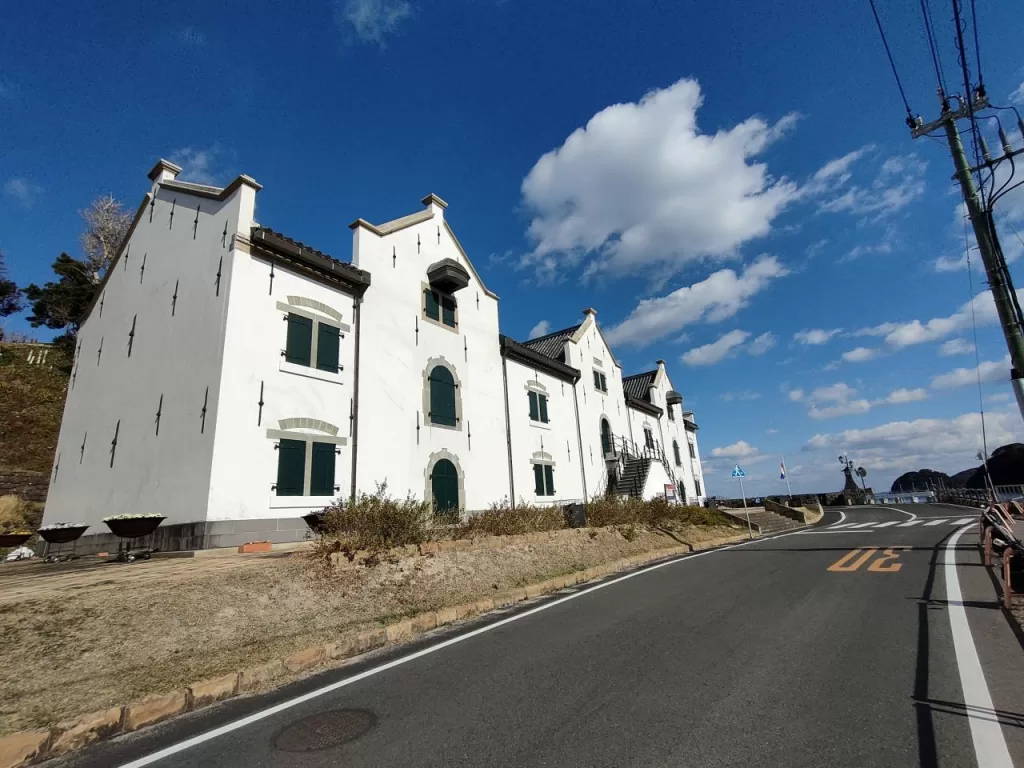
Hakata Ferry Terminal Find Location And Direction On Google Maps
See more travel guides on Travel Blogger Indonesia. Reviewed October 2026.