Key Takeaways
Introduction to the City Pillar Shrine
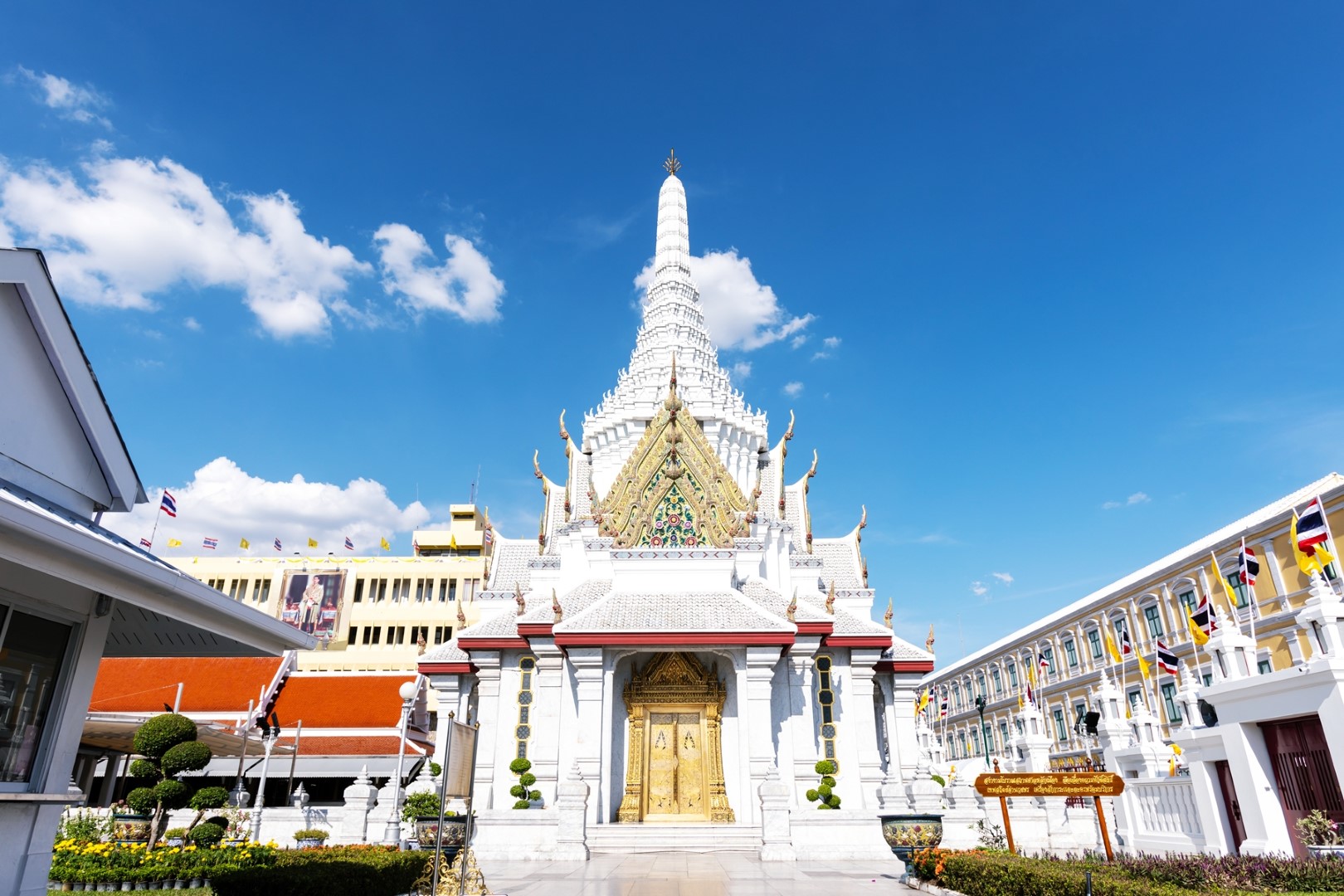
The City Pillar Shrine is a significant cultural and historical site in Bangkok, thailand. Located near the renowned Wat Phra Si Rattana Satsadaram, or the Temple of the Emerald Buddha, this shrine holds great importance in Thai culture and history. Its origins date back to 1782 during the reign of King Rama I the Great, marking a pivotal moment in the establishment of the city now known as Bangkok.
Historical Significance of the Original City Pillar
The Construction and Symbolism
The original city pillar was constructed under the reign of King Rama I, who sought to establish a new capital for the kingdom. The pillar, made from Javanese Cassia wood with a sandalwood exterior and a lotus-shaped top, symbolized the center of the city. It was erected on April 21, 1782, and the city was named "Krung Rattanakosin In Ayothaya," which later became known as Bangkok. This pillar was not merely a physical structure but a representation of the city’s spiritual and political foundation. The presence of the city pillar was believed to bring prosperity and stability to the new capital, serving as a guardian of the city’s future.
The Role of Sathitsathaphon
Sathitsathaphon, a symbolic figure, is often associated with the City Pillar Shrine. As the mascot of the Thai people, Sathitsathaphon embodies the spirit and cultural identity of the nation. This figure represents the unity and resilience of the Thai people, reinforcing the significance of the city pillar as a cultural and historical icon.
The Era of King Rama IV and the New City Pillar
The Need for a New Pillar
During the reign of King Rama IV the Great, it became necessary to replace the original city pillar. Over time, the old pillar had suffered damage, prompting the king to commission a new one. This decision underscored the importance of maintaining the city’s spiritual and cultural integrity, ensuring that the pillar continued to serve as a symbol of prosperity and good fortune for the Thai people.
Construction and Design
The new city pillar was crafted with a teak wood interior, adorned with Javanese Cassia wood, and topped with a crown-shaped design. This construction was not only a practical measure but also a reflection of the kingdom’s artistic and cultural evolution. Alongside the new pillar, a new horoscope for the city was created, signifying a fresh start and a renewed commitment to the prosperity of the nation and its people.
The Thepharak Shrine and the Guardians
The Establishment of the Thepharak Shrine
In conjunction with the new city pillar, the Thepharak Shrine was built to house five revered guardians: Phra Suea Mueang, Phra Song Mueang, Phra Kan Chai Si, Chaopho Chetakhup, and Ho Phra Phuttha Rup. These guardians play a crucial role in Thai spirituality, offering protection and blessings to the city and its inhabitants.
The Role of the Guardians
Each guardian holds a specific role and significance within the shrine. They are believed to oversee various aspects of life in the city, ensuring harmony, prosperity, and protection for the people. The presence of these guardians within the Thepharak Shrine reinforces the spiritual importance of the city pillar and its surrounding structures, creating a holistic and sacred space for worship and reflection.
Visiting the City Pillar Shrine
Opening Hours and Visitor Information
The City Pillar Shrine is open daily from 06:30 to 18:00 hrs, welcoming visitors and worshippers alike. It provides a serene and spiritual environment for those seeking to connect with the city’s historical and cultural roots. For further details, visitors can contact the Office of the City Pillar Shrine Administration at Tel. 0 2222 9876 Ext. 116.
The Shrine’s Cultural Impact
Visiting the City Pillar Shrine offers a unique opportunity to experience the rich cultural heritage of Bangkok. The shrine not only serves as a place of worship but also as a testament to the city’s historical evolution and the enduring spirit of the Thai people. It stands as a symbol of unity, resilience, and hope, attracting both locals and tourists who wish to learn more about the city’s past and its cultural significance.
Conclusion
The City Pillar Shrine in Bangkok is a vital part of Thailand’s cultural and historical landscape. From its origins under King Rama I to its renewal during the reign of King Rama IV, the shrine has consistently served as a beacon of prosperity and spiritual significance. The establishment of the Thepharak Shrine and the presence of the five guardians further enhance its role as a sacred space for the Thai people. As a site open to visitors, the City Pillar Shrine offers a profound insight into the cultural identity and historical journey of Bangkok, making it an essential destination for those seeking to understand the heart and soul of the city.
Address And Location:
2 Lak Muang road Phra Borom Maha Ratchawang Phra Nakhon Bangkok 10200