Key Takeaways
Wat Pradu: A Historical Overview
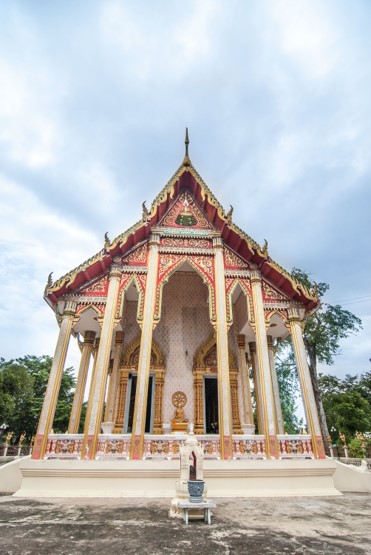
Wat Pradu is an ancient and revered temple, its origins dating back to the late Ayutthaya period. It stands as a testament to thailand‘s rich cultural and religious heritage. Over the years, it has not only served as a place of worship but also as a significant historical site that attracts both locals and tourists alike.
The Legacy of King Rama V
During the Rattanakosin era, King Rama V, known for his deep respect for religious figures, visited Wat Pradu. His admiration for Luang Pu Jaeng, who was the abbot at the time, prompted him to pay a visit to the temple by river, where he also enjoyed breakfast. This visit marked the beginning of a series of royal offerings that have been preserved to this day. These offerings, bestowed by the King, hold immense historical and cultural value.
The Museum of Royal Offerings
In 1974, the then-abbot of Wat Pradu took a significant step to preserve the royal gifts by consolidating them into a museum. This collection includes various items such as cloth bags for monks, palm leaf fans, kettles, and alm bowl covers adorned with mother-of-pearl inlay. Many of these items bear inscriptions that commemorate the occasions they were presented, such as royal ceremonies.
In 2004, the idea of expanding the museum was conceived, leading to the construction of a new building to house these precious artifacts. Today, the museum comprises two buildings. The first building is dedicated to the offerings from King Rama V. It features two floors; the ground floor showcases items presented to the temple by the local community, who continue to hold great respect for Luang Pu Jaeng and other abbots. The upper floor houses the royal offerings and features models of renowned monks, along with an exhibition on King Rama V’s life and legacy.
The Temple’s Cultural Significance
Wat Pradu is not just a repository of artifacts; it is a cultural treasure trove. Visitors can find small sets of benjarongware and crockery that once belonged to the temple. As one moves from the first building towards the car park, there is another section dedicated to the revered monks of the Mae Klong River area. This section displays benjarong bowls, dishes, glazed pottery, brassware, and sacred water pots, all of which are temple properties.
Artistic Heritage
The temple’s ceiling is adorned with captivating paintings depicting the literary tales of Ravana. These artworks, commissioned by the abbot, add an artistic dimension to the temple’s already rich historical narrative.
Contact Information
For those interested in learning more about Wat Pradu and its historical significance, further information can be obtained by contacting +66 3473 5237, +66 3477 2299, or +66 83 433 4722.
The Life and Times of King Rama V
Early Life and Ascension to the Throne
King Rama V, also known as King Chulalongkorn, was one of Thailand’s most revered monarchs. Born in 1853, he ascended to the throne in 1868 following the death of his father, King Mongkut (Rama IV). His reign marked a period of significant modernization and reform in Thailand, aligning the country more closely with Western nations.
Reforms and Modernization
King Rama V is credited with numerous reforms that transformed Thai society. He abolished slavery, reformed the administrative structure, and improved the education system. His efforts to modernize Thailand were instrumental in maintaining the country’s independence during a time when many neighboring countries were under colonial rule.
Religious Influence and Devotion
A devout Buddhist, King Rama V’s dedication to religion was evident in his numerous visits to temples across the country. His visit to Wat Pradu exemplifies his commitment to supporting religious institutions and figures. His offerings to the temple not only strengthened the ties between the monarchy and the religious community but also left a lasting legacy that continues to be honored today.
Legacy and Impact
King Rama V’s reign is often regarded as a golden era in Thai history. His forward-thinking policies and dedication to the welfare of his people earned him a revered place in the hearts of Thais. His legacy is preserved not only through historical sites like Wat Pradu but also through the continued respect and admiration of the Thai people.
Luang Pu Jaeng: The Revered Abbot
Early Life and Monastic Journey
Luang Pu Jaeng, the esteemed abbot of Wat Pradu during King Rama V’s visit, was a highly respected figure in the religious community. His commitment to monastic life and his influence on the temple made him a beloved figure among both the clergy and laypeople.
Contributions to Wat Pradu
Under Luang Pu Jaeng’s leadership, Wat Pradu flourished as a center of religious activity and learning. His dedication to preserving the temple’s heritage and promoting Buddhist teachings left a profound impact on the community. It was his relationship with King Rama V that led to the royal visit and the subsequent offerings, cementing the temple’s significance in Thai history.
Legacy and Continued Influence
Luang Pu Jaeng’s legacy continues to be honored at Wat Pradu. His contributions to the temple and his role in fostering a strong connection with the monarchy are remembered and celebrated by the local community. The museum at Wat Pradu stands as a testament to his enduring influence and the respect he garnered during his lifetime.
The Museum Experience
Exhibits and Displays
The museum at Wat Pradu offers visitors a unique glimpse into Thailand’s royal and religious history. The exhibits include a wide array of artifacts, each with its own story and significance. From the royal offerings of King Rama V to the personal belongings of revered monks, the museum provides an immersive experience that educates and inspires.
Educational Opportunities
Visitors to the museum have the opportunity to learn about the history of Wat Pradu, the life and legacy of King Rama V, and the contributions of Luang Pu Jaeng. Informational displays and guided tours offer insights into the cultural and historical context of the exhibits, making it a valuable educational resource for all ages.
Preservation and Conservation
The preservation of the artifacts at Wat Pradu is of utmost importance. Efforts to conserve these historical treasures ensure that future generations can continue to learn from and appreciate the rich history of the temple. The expansion of the museum in 2004 was a significant step towards achieving this goal, providing a modern and secure environment for the collection.
Conclusion
Wat Pradu stands as a beacon of Thailand’s rich cultural and religious heritage. Its historical significance, coupled with the legacy of figures like King Rama V and Luang Pu Jaeng, make it a site of great importance. The museum at Wat Pradu not only preserves this legacy but also offers visitors a chance to engage with history in a meaningful way. As Thailand continues to modernize, sites like Wat Pradu serve as reminders of the country’s storied past and the enduring values of its people.
Address And Location:
54 Moo 2 Wat Pradu Amphawa Samut Songkhram 75110