Top Museum of Samurai Art and Culture
japan is a country with a rich and storied history, and one of the most fascinating aspects of its past is the era of the samurai. These skilled warriors played a crucial role in shaping Japan’s culture and traditions, and their legacy can still be seen and appreciated today. If you have an interest in samurai art and culture, there is one museum that you simply cannot miss: the Tokugawa Art Museum.
Located in Nagoya, the Tokugawa Art Museum is home to an extensive and unrivaled collection of samurai artifacts. It is considered to be one of the top museums in Japan for those interested in this particular aspect of Japanese history. The museum is particularly known for its collection of artifacts from the Tokugawa shogunate, the most senior of the three sub-branches of the house of the Tokugawa.
One of the highlights of the museum is the permanent exhibition called “The Symbol of the Warrior.” This exhibition showcases a wide range of artifacts related to the samurai, including armor, weapons, and other personal belongings. It provides a comprehensive look into the lives and crafts of these legendary warriors, allowing visitors to gain a deeper understanding of their role in Japanese society.
Another must-see exhibition at the Tokugawa Art Museum is the limited exhibition of the Tale of Genji picture scrolls. The Tale of Genji is widely regarded as the world’s first novel and is a masterpiece of Japanese literature. The museum is fortunate to have sections of the early 12th century illustrated scrolls, which are not on permanent display but are exhibited for one week in November. This is a rare opportunity to see these ancient and priceless works of art up close.
In addition to these special exhibitions, the Tokugawa Art Museum offers a wide range of other artifacts and artworks to explore. The collection includes more than 12,000 items, such as swords, armor, Noh costumes, and lacquerware. These items have been handed down through the generations of the Tokugawa clan, providing a unique and valuable insight into the history and culture of the samurai.
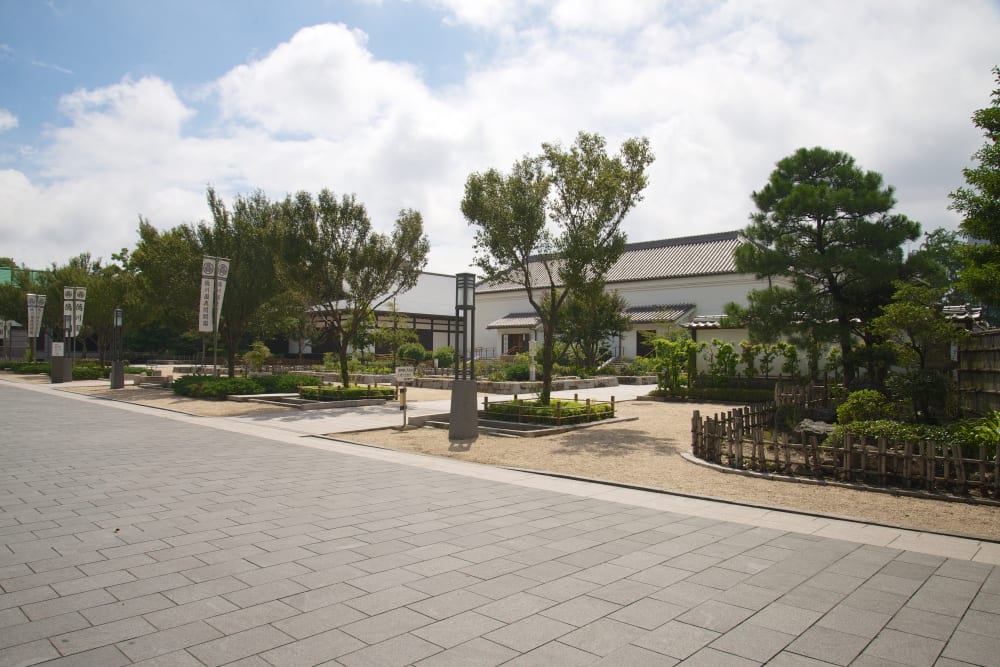
The museum is not only a treasure trove of samurai artifacts but also a beautiful place to visit in its own right. It is located in Tokugawa Park, which was once the grounds of a samurai manor. The park features a classic Japanese garden called Tokugawaen, which is particularly stunning during the cherry blossom season in March and April. The park also offers a tranquil escape from the bustling city, with its rose gardens, dramatic waterfall, and a large koi carp pond.
To visit the Tokugawa Art Museum, you can take the JR Chuo Line from Nagoya Station to Ozone. From there, it is just a 15-minute walk to the museum. Alternatively, you can take the number 2 bus from Nagoya Station, which will take you directly to the museum. The journey takes approximately 25 minutes.
The Tokugawa Art Museum was established in 1935 and has been a leading institution for the preservation and promotion of samurai art and culture ever since. The current museum director, Yoshitaka Tokugawa, is the 22nd Head of the Owari Tokugawa family and is directly descended from the first Tokugawa Shogun, Tokugawa Ieyasu. His dedication to preserving the legacy of his ancestors is evident in the museum’s extensive collection and its commitment to providing educational and informative exhibitions.
In conclusion, the Tokugawa Art Museum is a must-visit destination for anyone with an interest in samurai art and culture. Its extensive collection of artifacts, including the limited exhibition of the Tale of Genji picture scrolls, provides a unique and invaluable insight into the lives and crafts of the samurai. The museum’s location in Tokugawa Park adds to its charm, offering visitors a chance to experience the beauty of a classic Japanese garden. Whether you are a history enthusiast or simply curious about Japan’s past, a visit to the Tokugawa Art Museum is sure to be a memorable and enlightening experience.
Address And Maps Location:
1017 Tokugawa-cho, Higashi-ku, Nagoya-shi, Aichi-ken
Find Location And Direction On Google Maps
Subscribe, follow travelbloggerindonesia.com