Key Takeaways
The Chao Ram Cave: A Historical and Ecological Exploration
Introduction to The Chao Ram Cave
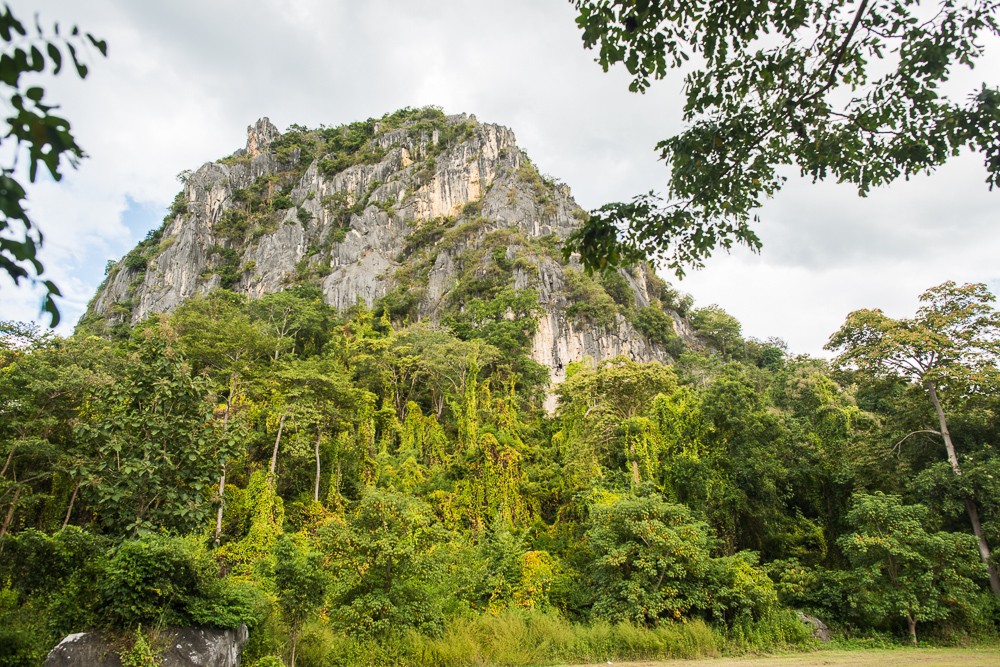
The Chao Ram Cave, also known as the Rama Cave, is a site of historical and ecological significance located in Mu 9, Wang Namkao Subdistrict, Dan Lanhoi of Sukhothai Province, thailand. The cave’s historical name, Rama Cave, was inscribed on the third side of an ancient stele, indicating its ancient importance. This stele was erected in Cha-Leong town, alongside the Phra Si Rattanathat, and was originally located within the Rama Cave, situated beside the Lam Pai River, now identified as the Lam Pan River. Over time, the name transitioned from Rama Cave to Chao Rama Cave.
Historical Significance of The Chao Ram Cave
The Chao Ram Cave holds a rich historical background, with connections to ancient inscriptions and artifacts. The discovery of the Sila Buddha Image within the cave ties it to local cultural and religious practices. The image was later referred to as the Sila Monk by the local Tung-Sa-Leom community. These historical artifacts underscore the cave’s role as a site of spiritual and cultural importance throughout the centuries.
Location and Accessibility
Situated approximately 23 kilometers from Tung Sa-Leom District, the Chao Ram Cave is protected by the Royal Forest Department. The cave is accessible to visitors, but prior permission must be obtained from the Department of Wildlife Sanctuary located at the Huai Nongkoa Reservoir, roughly 7 kilometers before reaching the cave. For detailed information, tourists can contact the Dan Lanhoi District Office.
Ecological Importance and Bat Colony
The Chao Ram Cave is home to a significant colony of bats, numbering around 100,000. These bats play a crucial role in the cave’s ecosystem and contribute to the local economy. The cave is rich in bat guano, which serves as a valuable fertilizer. The government permits local residents to collect this excrement, generating an income of up to 80,000 Baht per month. The collection is allowed for eight months each year, providing a sustainable economic resource for the community.
Bat Species and Behavior
The cave houses various species of bats, including the Cave Nectar Bat, the Obold’s Bat, the Shield-Faced Roundleaf Bat, the Horsfield’s Leaf-Nosed Bat, the Wrinkle-Lipped Bat, and the Common Bentwing Bat. These bats primarily feed on insects and nectar, playing a vital role in pest control and pollination. The bats communicate through sonar waves, allowing them to navigate and hunt efficiently.
The Spectacle of Bat Migration
Visitors to the Chao Ram Cave can witness the mesmerizing spectacle of bat migration. Each evening, thousands of bats emerge from the cave to forage for food, with the first group acting as decoys to protect against predators like hawks. This strategic behavior ensures the safety of the colony and provides a captivating experience for onlookers. The bats’ return at dawn marks the end of this nightly ritual.
Ecotourism and Conservation Efforts
The Sukhothai Province officials promote ecotourism to the Chao Ram Cave, highlighting its natural and historical significance. Efforts are made to balance tourism with conservation, ensuring the protection of the cave’s ecosystem and its bat inhabitants. Ecotourism activities include guided tours, educational programs, and wildlife observation, fostering a deeper appreciation for the cave’s unique environment.
Conclusion
The Chao Ram Cave is a remarkable blend of history, ecology, and culture. Its ancient inscriptions and artifacts, along with the thriving bat colony, make it a site of immense interest. Through sustainable tourism and conservation efforts, the Chao Ram Cave continues to be a valuable resource for education and economic development in the region. Visitors are encouraged to explore this hidden gem, gaining insights into its historical roots and ecological wonders.
Address And Location:
Taling Chan Ban Dan Lan Hoi Sukhothai 64140