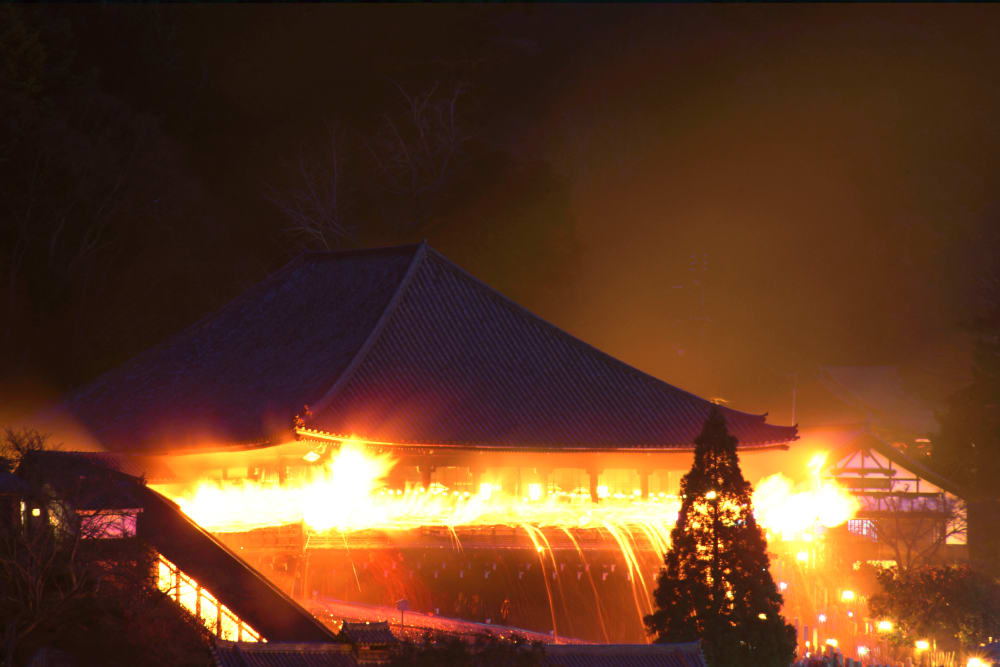
A dramatic celebration of fire and water: A powerful Buddhist memorial service
Introduction:
For the past 1,270 years, a traditional Buddhist festival called Shuni-e has been celebrated in japan. This two-week long festival combines the elements of fire and water in a dramatic and sacred way. It is a time when Buddhist monks and devotees come together to honor their ancestors and offer prayers for world peace and a good harvest. This article will delve into the details of the Shuni-e festival, discussing its history, significance, and the rituals associated with it.
History and Significance:
Shuni-e, also known as the “Omizutori” festival, has a long and rich history. It originated in the eighth century at Todaiji Temple in Nara, Japan. The festival is believed to have been introduced by a Buddhist monk named Gyoki, who was known for his dedication to spreading Buddhism and helping the local community.
The festival holds great significance for the Buddhist community as it is considered one of the oldest Buddhist rituals in Japan. It serves as a time for reflection, repentance, and purification. The combination of fire and water symbolizes the purification of sins and the cleansing of the soul. The festival also marks the arrival of spring and the beginning of a new season.
The Rituals of Shuni-e:
The Shuni-e festival is a series of rituals that take place over a period of two weeks. The rituals are performed by the monks of Todaiji Temple and are attended by thousands of devotees and tourists from all over the world. Let’s explore some of the main rituals of the festival:
1. Mizutori: The Mizutori ritual involves the use of sacred water. According to legend, this water has divine properties and is believed to have the power to cure any ailment. During the festival, the water is offered to the Buddhist deities and then distributed to the attendees. It is considered a great honor to be able to drink this water, as it is believed to bring good luck and blessings.
2. Preservation of the Water: The sacred water used in the Mizutori ritual is preserved in five pots. One of these pots has been used for 1,200 years and can only be received by a single monk participating in the memorial service. The completion of the festival signifies the arrival of spring and the beginning of the cherry blossom season.
3. Otaimatsu Festival: One of the highlights of the Shuni-e festival is the Otaimatsu Festival. Every evening during the festival, torches are lit to guide the monks to the temple. These torches, carried by “doji,” create a mesmerizing sight as they move and whip around, scattering sparks upon the crowd below. These sparks are believed to ward off evil spirits and bring protection to those who witness them.
4. Prayers and Repentance: Shuni-e is not just a time for celebration; it is also a time for deep reflection and repentance. The monks repent on behalf of the people for their sins and offer prayers for world peace and a bountiful harvest. The festival serves as a reminder of the importance of self-reflection and the need to purify one’s heart and mind.
How to Get There:
The Shuni-e festival takes place at Todaiji Temple in Nara Park, Japan. Nara Park can be easily reached on foot from JR Nara and Kintetsu Nara Station. Kintetsu Nara Station is the closest station to the park, only a short 5-minute walk from the exit. Alternatively, JR Nara Station is around a 20-minute walk from the park. Visitors can enjoy a leisurely stroll through the park, taking in the beautiful surroundings before reaching the temple.
Conclusion:
The Shuni-e festival is a truly remarkable event that combines the elements of fire and water in a sacred and powerful way. It is a time for reflection, repentance, and purification. The rituals performed during the festival hold deep significance for the Buddhist community and serve as a reminder of the importance of spiritual cleansing. Witnessing the Otaimatsu Festival and drinking the sacred water are experiences that are sure to leave a lasting impression. If you have the opportunity to visit Japan in March, make sure to attend the Shuni-e festival and immerse yourself in this unique and awe-inspiring celebration of fire and water.
Address And Maps Location:
400 Zoshi-cho, Nara-shi, Nara-ken
Find Location And Direction On Google Maps
Subscribe, follow travelbloggerindonesia.com