History of Temples in Kyoto
Introduction
Kyoto, the cultural capital of japan, is renowned for its rich history and numerous temples and shrines. These sacred places not only serve as spiritual centers for the locals but also attract visitors from all over the world. In this article, we will delve into the history and significance of temples in Kyoto, highlighting some of the most famous ones that are recommended for a visit.
I. History of Temples in Kyoto
A. Ancient Origins
The history of temples in Kyoto can be traced back to ancient times. During the Heian period (794-1185), Kyoto, then known as Heian-kyo, was the imperial capital of Japan. It was during this time that Buddhism flourished, and numerous temples were built to promote the Buddhist teachings. These temples played a crucial role in shaping the cultural and religious landscape of Kyoto.
B. Influence of Zen Buddhism
In the Kamakura period (1185-1333), Zen Buddhism gained prominence in Japan. Zen temples, known for their minimalist architecture and meditation practices, became prevalent in Kyoto. The teachings of Zen Buddhism emphasized the importance of direct experience and enlightenment, which attracted many followers and led to the establishment of several Zen temples in Kyoto.
C. Cultural and Artistic Centers
During the Muromachi period (1336-1573), Kyoto became the cultural and artistic center of Japan. This period saw the rise of the Ashikaga shogunate, which patronized the arts, including tea ceremonies, flower arrangement, and calligraphy. Many temples in Kyoto became important sites for these cultural practices, with Zen temples serving as venues for tea ceremonies and gardens being created within temple grounds.
D. Preservation and Restoration
Despite the ravages of time and natural disasters, many temples in Kyoto have managed to survive and retain their original beauty. The Japanese government, along with local communities and religious organizations, has made significant efforts to preserve and restore these temples, ensuring that future generations can appreciate their historical and cultural significance.
II. Recommended Temples in Kyoto
A. Jakkoin Temple
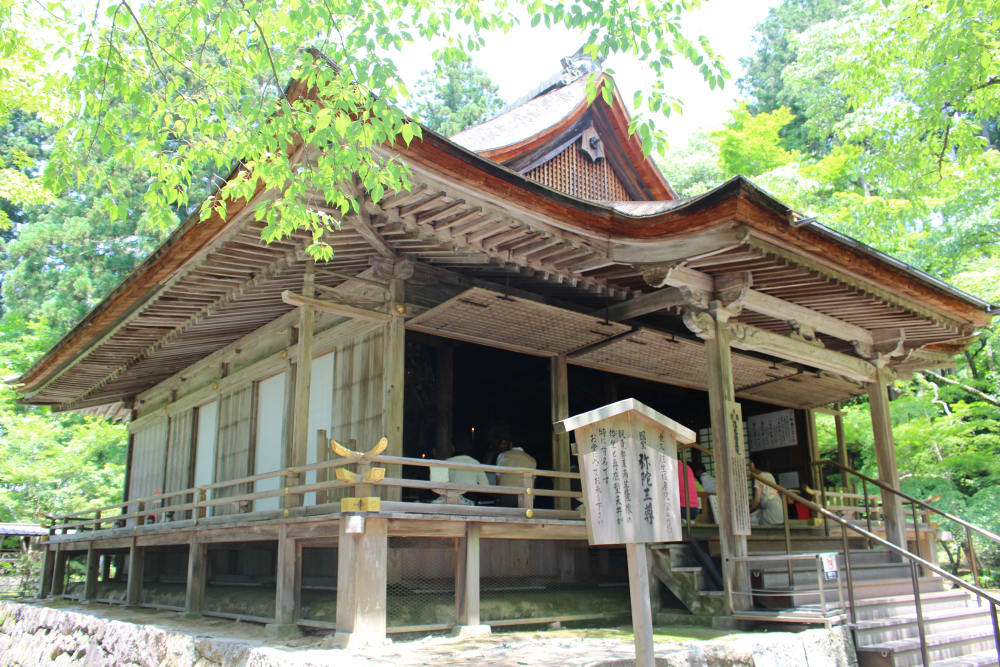
Located in the Kurama area of Kyoto, Jakkoin Temple is a hidden gem that is worth a visit. This temple is known for its tranquil atmosphere and stunning autumn foliage. The main hall, adorned with beautiful Buddhist statues, exudes a sense of serenity and peace. Visitors can also explore the temple’s garden, which features a pond and meticulously manicured trees and plants.
B. Sanzenin Temple
Situated in the Ohara district of Kyoto, Sanzenin Temple is renowned for its exquisite gardens and traditional architecture. The temple’s main hall, designated as a National Treasure of Japan, showcases the finest craftsmanship of the time. The moss-covered garden, with its winding paths and stone lanterns, is a visual delight. Sanzenin Temple is also famous for its vibrant cherry blossoms in spring and vibrant maple leaves in autumn.
C. Other Notable Temples
Apart from Jakkoin Temple and Sanzenin Temple, there are several other temples in Kyoto that are worth exploring. Kinkaku-ji, also known as the Golden Pavilion, is a UNESCO World Heritage Site and one of the most iconic landmarks in Kyoto. The temple’s golden exterior reflects beautifully on the surrounding pond, creating a mesmerizing sight.
Another must-visit temple is Kiyomizu-dera, famous for its wooden terrace that offers panoramic views of Kyoto. The temple is particularly popular during the cherry blossom season when the surrounding hills are adorned with delicate pink flowers.
III. Conclusion
Kyoto’s temples are not only architectural wonders but also repositories of Japan’s rich cultural and religious heritage. They provide a glimpse into the country’s past and offer a serene retreat from the hustle and bustle of modern life. Whether you are interested in history, spirituality, or simply appreciating the beauty of nature, a visit to the temples in Kyoto is a must. So, take your time to explore these sacred places and immerse yourself in the tranquility and beauty they offer.
Address And Maps Location:
540 ohararaikoin-cho, Sakyo-ku, Kyoto-shi, Kyoto-fu
Find Location And Direction On Google Maps
Subscribe, follow travelbloggerindonesia.com