Remnants of Rebellion and Innovation in a Feudal Stronghold-Turned-Museum
Saga City is a jokamachi, or castle town, with a rich history centered around Saga Castle and the influential figures who once ruled the region. This city is home to lovingly preserved remnants of a bygone era in japan, a time when the feudal domain system still held sway. As late as 1871, Saga Castle stood as a symbol of power and authority, but with the abolition of the feudal system, it transitioned into a museum that showcases the history and culture of this fascinating period.
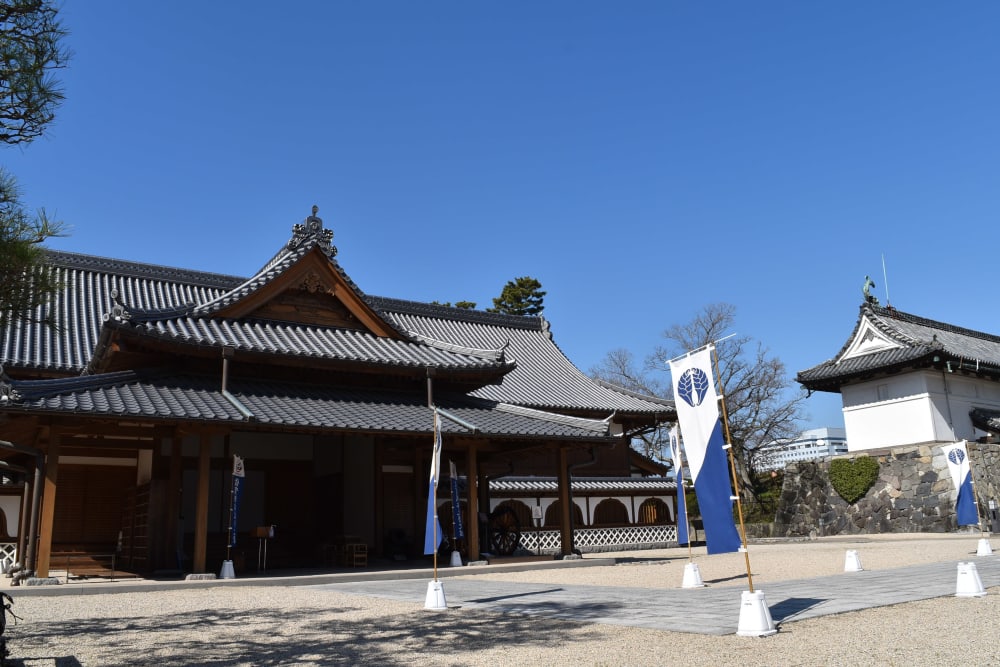
The main palace of Saga Castle, which remains today, is only one-third of its original size. However, even in its reduced state, it still exudes an air of grandeur and majesty. Visitors can explore the castle grounds and imagine the opulence and splendor that once characterized this feudal stronghold.
One of the most notable aspects of Saga City’s history is its association with the famous book “Hagakure.” This world-renowned literary work originated here in 1716, compiled by the Saga samurai Tashiro Tsuramoto, based on the words of Saga samurai Yamamoto Jocho. “Hagakure” is a philosophical guidebook that offers insights into the samurai way of life and has become a cherished piece of Japanese literature.
To reach Saga Castle, visitors can either take a leisurely 30-minute walk or a quick 10-minute cab ride from Saga Station. As they approach the castle, they will be struck by its imposing presence and the sense of history that permeates the surrounding area.
The castle itself is a flatland castle, unlike the typical mountain or hilltop castles built for defensive purposes. The original structure was much grander and more complex than what remains today. Dioramas based on early construction plans provide a glimpse into the castle’s former glory. If fully intact, it is believed that Saga Castle would have rivaled the likes of Himeji and Nagoya castles, two of Japan’s most famous fortresses.
Within the castle grounds, visitors can explore the Sotogoshoin, a reconstructed gateway that still bears the scars of the Saga Rebellion. In 1874, the last of Saga’s samurai class staged an uprising, leaving visible holes in the door as a testament to their defiance. The main palace keep has been meticulously reconstructed based on archaeological findings, offering visitors an authentic glimpse into the past.
Inside the main keep, there is a history museum that houses a wealth of artifacts, charts, and models. English-language audio guides and brochures are available to provide detailed explanations and enhance the visitor’s understanding of the exhibits. The museum offers a comprehensive look at Saga’s history, shedding light on the samurai culture, the rebellion, and the city’s role in technological and medical advancements.
Saga’s significance extends beyond its association with samurai and rebellion. The Saga family, who ruled the region, played a pivotal role in guarding the port of Nagasaki. This strategic position allowed them to incorporate foreign technologies and fostered the development of modern military technology and advanced medicine. Exploring the museum’s exhibits provides valuable insights into this lesser-known aspect of Saga’s history.
One of the highlights of the museum is the Goza-no-ma, a room where visitors can immerse themselves in the ambiance of feudal Japan. The latest information about opening hours and exhibits can be found on the official website, ensuring that visitors have the most up-to-date information before planning their visit.
In conclusion, Saga City is a treasure trove of history and culture. The remnants of Saga Castle and the artifacts housed within its museum offer a unique glimpse into a Japan of the past. From the opulence of the main palace to the scars of rebellion etched into the gateway, every corner of Saga Castle tells a story. By exploring the exhibits and immersing oneself in the history, visitors can gain a deeper understanding of this feudal stronghold-turned-museum. Saga City is a must-visit destination for anyone interested in Japanese history and the samurai way of life.
Address And Maps Location:
2-18-1 Jonai, Saga-shi, Saga-ken
Find Location And Direction On Google Maps
Subscribe, follow travelbloggerindonesia.com