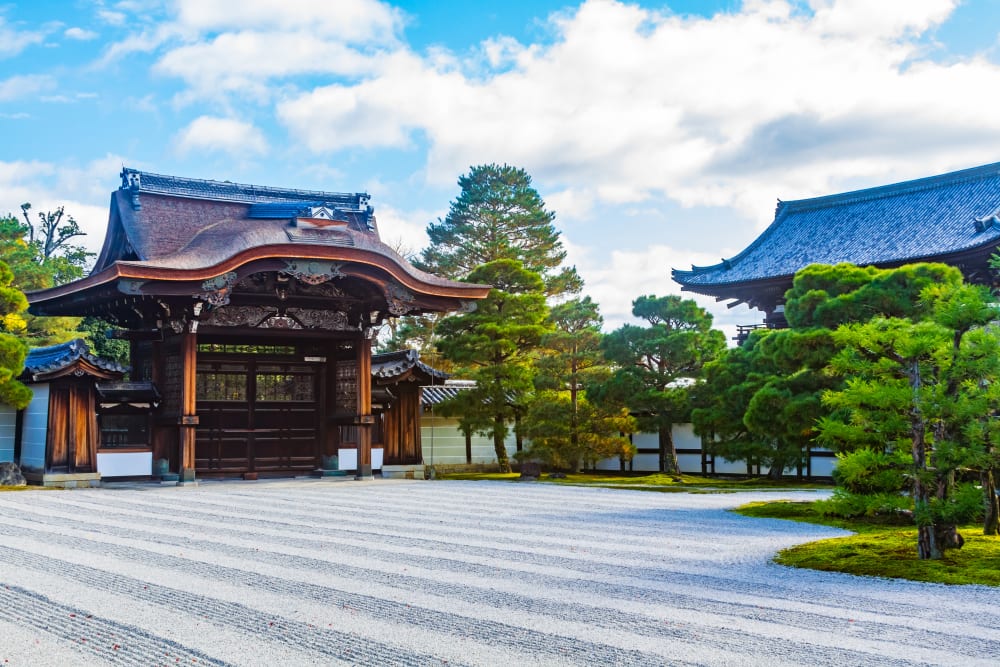
Ninna-ji Temple: A Quiet and Tasteful Temple that Offers Many Surprises
Introduction
Ninna-ji Temple is a hidden gem in Kyoto, japan. Built in 888 CE, it holds a significant historical and cultural value as a World Heritage Site. The temple is known for its peaceful ambiance, tasteful architecture, and unique offerings. In this article, we will explore the rich history, architectural wonders, and cultural treasures of Ninna-ji Temple.
History of Ninna-ji Temple
Ninna-ji Temple has a rich and turbulent history. It was originally built as the birthplace of Emperor Uda and later became his residence as the first chief priest of the temple. The temple is also known as a monzeki temple, which refers to Buddhist priests of aristocratic or imperial lineage who served the imperial family. The temple is the head temple of the Omuro school of Shingon Buddhism.
During the Onin War in 1468, the temple buildings were burnt down, but they were later rebuilt in the early 17th century with the assistance of the Tokugawa Shogunate. Some of the buildings were relocated from the Imperial Palace, which was also being reconstructed at the time. The temple’s reconstruction was finally completed in 1646.
Architectural Wonders of Ninna-ji Temple
Ninna-ji Temple is renowned for its architectural beauty and exquisite craftsmanship. The temple complex features various buildings that showcase different architectural styles and periods.
The Kondo, or the Golden Hall, is a National Treasure and the main hall of the temple. It is a magnificent structure adorned with intricate carvings and gold leaf decorations. Inside the Kondo, you can find the principal image of the temple, an Amitabha triad, which is the center of worship at Ninna-ji.
Another notable building is the Miedo, which is an Important Cultural Property. It houses important Buddhist statues and artifacts. The Niomon, a gate with Buddhist statues on either side, is also recognized as an Important Cultural Property. Additionally, the temple boasts a five-story pagoda, which is a sight to behold.
Cultural Treasures at Ninna-ji Temple
Ninna-ji Temple is not only a place of worship but also a repository of cultural treasures. The Reihokan Museum, located within the temple grounds, houses a vast collection of sculptures, paintings, and ancient documents. Visitors can marvel at the artistic masterpieces and gain insights into the rich cultural heritage of Japan.
One of the highlights of the museum is the Amitabha triad, the principal image from the time of the temple’s founding. This exquisite artwork depicts Amitabha Buddha and two attendant bodhisattvas. The triad is considered a national treasure and is a significant symbol of Buddhist devotion.
Surprises at Ninna-ji Temple
Ninna-ji Temple offers many surprises that add to its charm and allure. One of the surprises is the Omuro sakura cherry blossoms, which bloom later than other cherry blossoms in Kyoto. The temple grounds are adorned with these beautiful flowers, creating a breathtaking sight during the spring season.
Another surprise is the Joju-san Omuro 88 sacred sites on the mountain grounds behind the temple. This is a miniature version of the Shikoku 88 Pilgrimage, a famous pilgrimage route in Japan. Visitors can explore these sacred sites and experience a spiritual journey within the tranquil surroundings of Ninna-ji.
Getting to Ninna-ji Temple
Ninna-ji Temple is easily accessible by train. It is a few minutes’ walk from Omuro Ninnaji Station on the Keifuku Kitano Line. If you are visiting Ryoanji Temple, another popular attraction in Kyoto, Ninna-ji is just a 10-minute walk west of it. The convenient location makes it a must-visit destination for tourists exploring Kyoto.
Conclusion
Ninna-ji Temple is a hidden treasure in Kyoto that offers a unique and enriching experience for visitors. With its rich history, architectural wonders, and cultural treasures, the temple provides a glimpse into Japan’s ancient past. Whether you are interested in history, architecture, or spirituality, Ninna-ji Temple has something to offer. So, don’t miss the opportunity to explore this quiet and tasteful temple that holds many surprises.
Address And Maps Location:
33 Omuroouchi, Ukyo-ku, Kyoto-shi, Kyoto-fu
Find Location And Direction On Google Maps
Subscribe, follow travelbloggerindonesia.com