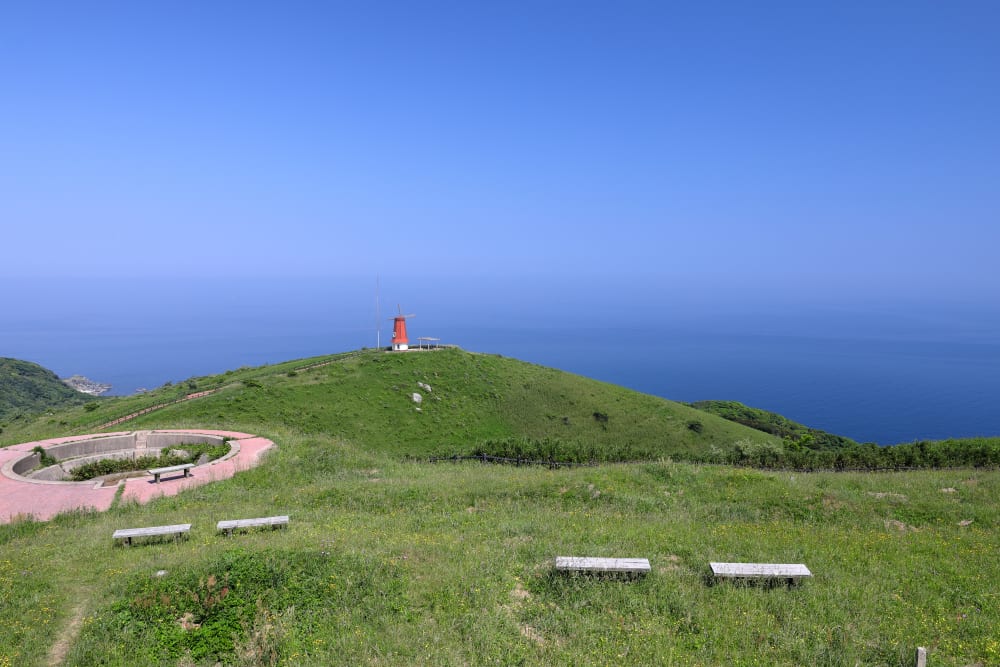
Munakata: A Coastal City and Former Trading Hub with Asia’s World Heritage Munakata Shrines
Introduction:
Munakata is a charming coastal city located in Fukuoka, japan. This historic city was once a major trading hub between Japan and the Asian continent, making it an important center of exchange and cultural influence. Today, Munakata is renowned for its World Heritage Munakata shrines, which are significant religious and cultural sites that attract visitors from all over the world. In this article, we will explore the rich history, cultural significance, and attractions of Munakata, providing a comprehensive guide for those interested in learning more about this fascinating city.
Historic National Treasures and Sites:
Munakata’s proximity to the Asian continent, particularly the Korean peninsula, played a crucial role in its development as a key point of exchange between Japan and the mainland. The Munakata area became a place of rituals where the Munakata clan prayed for safety during voyages and the peace of the nation. The three Munakata Taisha shrines, which have been designated as World Heritage sites, are the epitome of the city’s cultural heritage. The oldest shrine is located on Okinoshima, a forbidden island that is off-limits to the public. The rituals performed on Okinoshima are still conducted by a single priest, and the island holds immense spiritual significance.
Nakatsumiya Shrine, situated on the island of Oshima near Munakata, is another important shrine that dates back to the 16th century. The present shrine buildings are a testament to the city’s architectural heritage, and visitors can explore the rich history and cultural traditions associated with this sacred site. Ferries depart regularly from the port of Konominato to Oshima Port, providing convenient access for tourists and pilgrims.
Hetsumiya Shrine, the largest and most easily visited of the three shrines, offers a glimpse into the ancient rituals and traditions of Munakata. The shrine buildings were rebuilt in 1578, but remnants of the Takamiya Festival site from the 7th or 8th centuries can still be seen within the shrine grounds. Additionally, the Shinpokan Museum, located within the shrine grounds, houses thousands of artifacts discovered on Okinoshima. These artifacts provide valuable insights into the early periods of trade between Japan and mainland Asia, further highlighting the city’s historical significance.
How to Get There:
Munakata is easily accessible from Fukuoka, a major city in Japan. Visitors can take a local or rapid train along the JR Kagoshima Main Line from Fukuoka’s Hakata Station to Togo Station. For those coming from Kitakyushu, another prominent city in Japan, there are also convenient train connections from Kokura Station to Togo Station. The well-connected railway network ensures that travelers can reach Munakata with ease, allowing them to explore the city’s cultural and historical treasures.
Conclusion:
Munakata is a coastal city that showcases the rich history and cultural heritage of Japan. Its World Heritage Munakata shrines stand as testaments to the city’s past as a major trading hub and a center of cultural exchange with the Asian continent. Visitors to Munakata can immerse themselves in the ancient rituals and traditions that have shaped the city’s identity, while also enjoying the natural beauty of its coastal landscapes. Whether it is exploring the forbidden island of Okinoshima or marveling at the architectural splendor of Nakatsumiya Shrine, Munakata offers a unique and enriching experience for travelers seeking to delve into Japan’s vibrant past. Plan your visit to Munakata and discover the captivating blend of history, culture, and natural beauty that this coastal city has to offer.
Address And Maps Location:
Munakata-shi, Fukuoka-ken
Find Location And Direction On Google Maps
Subscribe, follow travelbloggerindonesia.com