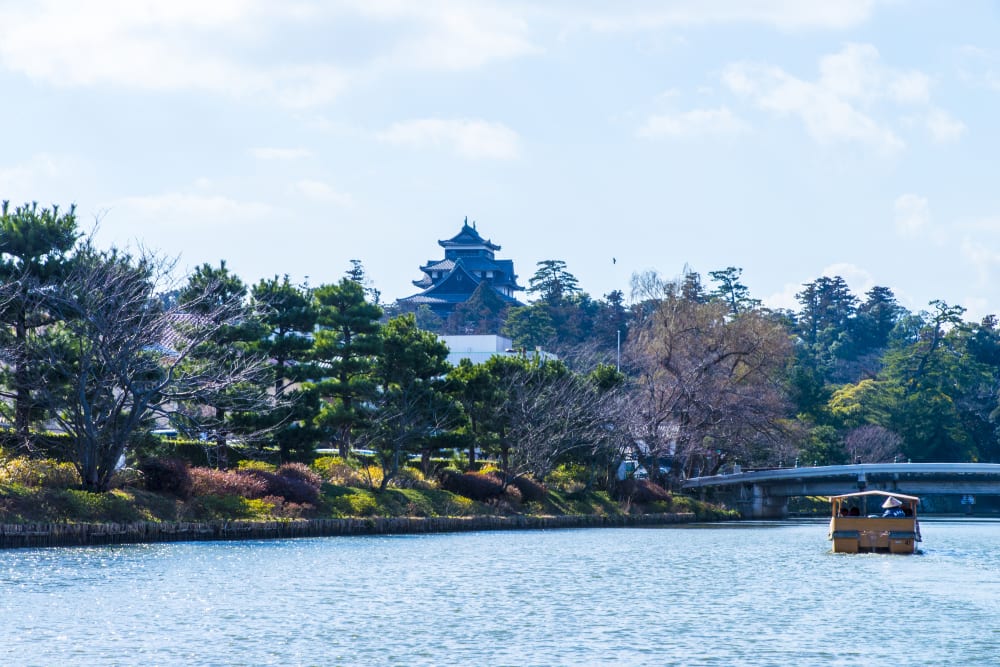
Matsue Castle: A National Treasure and a Glimpse into Samurai History
Introduction:
Matsue Castle, located in Matsue City, Shimane Prefecture, is a national treasure and one of the few remaining original Japanese castles. With its rich history and unique architecture, it offers visitors a rare opportunity to delve into the world of samurai culture. This article will provide a detailed exploration of Matsue Castle, including its history, architecture, surrounding park, and special events.
I. The Legacy of Matsue Castle:
Matsue Castle is one of only twelve original Japanese castles still standing today, and it holds the prestigious distinction of being classified as a National Treasure. Built in 1611, this magnificent castle is also known as the Plover Castle due to its distinctive shape and black exterior. Its construction marked the relocation of the domain capital to Matsue, and the Matsudaira family, direct descendants of the shogun Tokugawa Ieyasu, ruled the castle for most of its history.
The seventh lord, Matsudaira Harusato, also known as Lord Fumai, played a significant role in making Matsue one of the three great centers of the art of tea. His influence can still be felt in the castle’s architecture and design. Matsue Castle stands as a testament to the power and influence of the samurai class during the feudal era of japan.
II. Exploring Matsue Castle:
1. The Castle Keep:
The highlight of a visit to Matsue Castle is undoubtedly the castle keep. As visitors ascend its multiple floors, they are transported back in time, walking on dark wooden floors and stairs worn smooth over the centuries. The castle keep showcases a unique architectural style and is the only existing castle keep with a well inside. Its construction provides a fascinating insight into the engineering prowess of the time.
From the top floor of the castle keep, visitors are rewarded with a breathtaking 360-degree view of the town and Lake Shinji. This panoramic vista allows one to appreciate the strategic location chosen for the castle and the town that developed around it.
2. Jozan Park:
The extensive grounds surrounding Matsue Castle have been transformed into Jozan Park, a serene and picturesque setting. Visitors can explore the park’s many paths that wind beneath the castle’s steep stone walls, through wooded hillsides, and along the moats. These paths offer a tranquil atmosphere, perfect for leisurely strolls and cherry blossom viewing during the spring season.
Within Jozan Park, there are three shrines, but the most notable is Jozan Inari-jinja Shrine. This shrine holds special significance as it was the favorite shrine of Lafcadio Hearn, a renowned writer who lived nearby. Exploring the shrine’s grounds reveals hundreds of small statues of kitsune, the fox messengers of the deity Inari, adding an air of mystique to the experience.
3. Horan-enya Festival:
Jozan Inari-jinja Shrine serves as the start and endpoint of the Horan-enya Festival, a three-day event that takes place every ten years. This festival involves decorated boats filled with musicians and dancers, creating a vibrant and lively atmosphere. Although the next festival won’t occur until 2029, visitors can learn about this rare event at the nearby Horanenya Museum, which features videos and exhibits documenting the festival’s rich history.
4. Kounkaku: A Mansion Fit for Royalty:
Within the castle grounds, visitors can also explore Kounkaku, a magnificent Western-style mansion built of wood. Constructed in 1903, this mansion was originally intended for the Meiji Emperor’s use during his tours of the country. Although the emperor never visited, his son, the Crown Prince Yoshihito, later known as the Taisho Emperor, spent three days here in 1907.
Kounkaku’s first floor is dedicated to exhibitions on Matsue’s history, providing visitors with a deeper understanding of the city’s cultural heritage. On the second floor, the elegant rooms showcase the mansion’s original furnishings and décor, offering a glimpse into the opulent lifestyle of the imperial family.
III. Getting There:
Matsue Castle is easily accessible from Matsue Station, which can be reached by train, bus, or plane. Travelers coming from Tokyo can take a bullet train to Okayama and then switch to a JR Yakumo limited express train, with a total travel time of approximately six hours. The Sunrise Izumo night train from Tokyo is an alternative option, and there are also night buses available. Multiple daily flights from Tokyo to nearby airports provide further convenience.
Once at Matsue Station, the castle is merely two kilometers away, and numerous buses pass by the castle entrance. The Kurutto Matsue Lakeline Bus is the most convenient option, offering a one-day pass that allows visitors to explore the various sights in the castle town at an affordable price.
IV. Special Events and Illuminations:
Matsue Castle hosts several special events throughout the year, offering visitors unique experiences. In October, the castle is illuminated at night, creating a magical ambiance. Thousands of paper lanterns line the moat and castle grounds, while the Horikawa boats, used for cruises around the moat, are also illuminated. These evening cruises provide a different perspective of the castle and its surroundings, especially when combined with a visit to the nearby samurai district of Shiomi Nawate Street.
Additionally, in October, a drum festival takes place at the castle, featuring huge taiko drums with a diameter of about two meters. This lively festival encourages participation from both locals and visitors, creating a festive and energetic atmosphere.
Conclusion:
Matsue Castle stands as a national treasure and a testament to Japan’s rich samurai history. Its unique architecture, historical significance, and picturesque surroundings make it a must-visit destination for history enthusiasts and cultural explorers. From the castle keep with its 360-degree view to the serene Jozan Park and the grandeur of Kounkaku, Matsue Castle offers a truly immersive experience.
Whether you are captivated by the architectural marvels of the castle, intrigued by the events and festivals that take place there, or simply seeking a peaceful retreat in nature, Matsue Castle has something to offer everyone. Plan your visit, immerse yourself in the samurai era, and discover the wonders of Matsue Castle, a national treasure that continues to captivate visitors from around the world.
Address And Maps Location:
1-5 Tono-machi, Matsue-shi, Shimane-ken
Find Location And Direction On Google Maps
Subscribe, follow travelbloggerindonesia.com