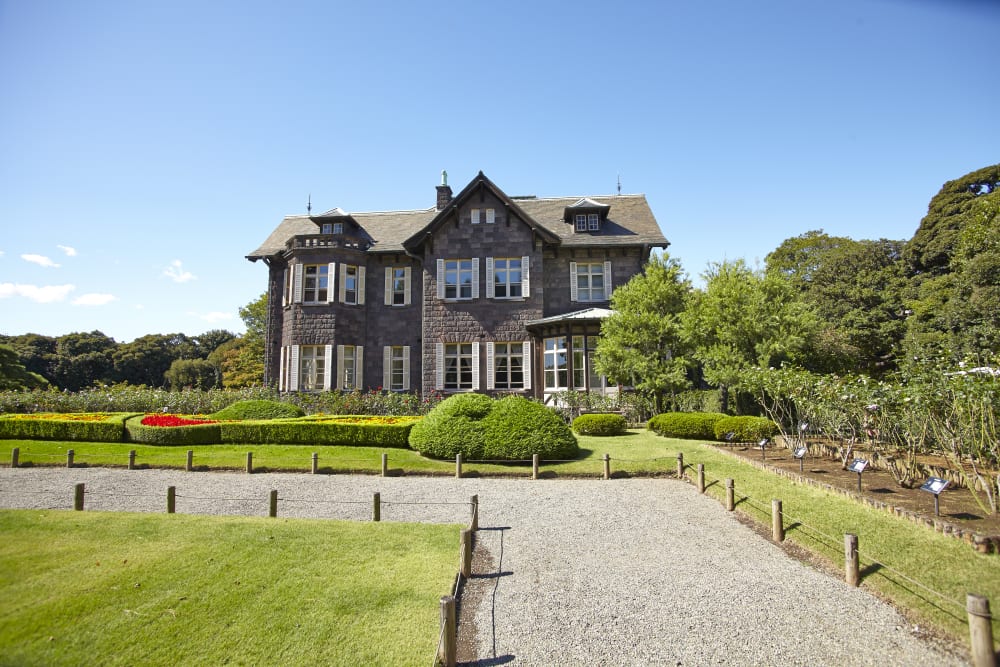
A garden that combines Japanese and Western aesthetics
Kyu-Furukawa Gardens, located in Tokyo, japan, is a unique and beautiful garden that seamlessly blends Japanese and Western aesthetics. It is a testament to the changing times and the influence of different cultures on Japanese architecture and design. The garden is spread over sloping grounds and features two distinct sections – one inspired by Western design and the other drawing on Japanese aesthetics.
The garden was built in the early 20th century as a private property and was later opened to the public in 1956. It has since become a popular attraction for locals and tourists alike, offering a serene and tranquil escape from the bustling city.
The centerpiece of Kyu-Furukawa Gardens is a pond called Shinjiike, which is designed in the shape of the Chinese cursive character for “heart”. This pond adds a sense of serenity and calmness to the overall ambiance of the garden.
The Western-style garden in Kyu-Furukawa Gardens was designed by Josiah Conder, an influential British architect who is often referred to as “the father of modern Japanese architecture”. Conder’s design reflects his deep understanding of both Western and Japanese architectural styles, creating a harmonious blend of the two.
The Western-style garden features meticulously manicured lawns, elegant flower beds, and symmetrical pathways. It embodies the formal and structured elements commonly found in Western gardens, with influences from French and English garden designs. The use of geometric shapes, straight lines, and carefully placed sculptures and statues adds a sense of grandeur and sophistication to the garden.
In contrast, the Japanese-style garden in Kyu-Furukawa Gardens showcases the natural beauty and simplicity of Japanese aesthetics. It draws inspiration from traditional Japanese gardens, known for their emphasis on harmony, balance, and the use of natural materials. The Japanese-style garden features a variety of plants, including cherry blossoms, maple trees, and moss-covered rocks. It also includes a tea house, where visitors can experience the traditional Japanese tea ceremony.
One of the highlights of Kyu-Furukawa Gardens is the abundance of roses in the Western-style garden during the month of May. The garden becomes a riot of colors as thousands of roses bloom, creating a breathtaking sight and filling the air with their sweet fragrance. This annual event attracts numerous visitors who come to admire the beauty and fragrance of the roses.
To visit Kyu-Furukawa Gardens, there are several transportation options available. The closest stations to the garden are Kami-Nakazato Station on the JR Keihin-Tohoku Line and Nishigahara Station on the Tokyo Metro Namboku Line. From either station, it is just a short seven-minute walk to the garden. If you are coming from Shinjuku Station, you can take the JR Yamanote Line to Tabata Station and then transfer to the Keihin-Tohoku Line to reach Kami-Nakazato Station. Alternatively, you can take the subway from Shinjuku-sanchome Station on the Tokyo Metro Marunouchi Line and transfer to the Namboku Line at Yotsuya to reach Nishigahara Station.
It is important to note that entrance to the Kyu-Furukawa Gardens may be restricted during busy periods, so it is advisable to check the garden’s website or contact the management for the most up-to-date information.
In conclusion, Kyu-Furukawa Gardens is a captivating and harmonious fusion of Japanese and Western aesthetics. It offers visitors a chance to immerse themselves in the beauty of both cultures, experiencing the tranquility of a Japanese garden and the elegance of a Western-style garden. Whether you are a nature lover, a history enthusiast, or simply looking for a peaceful retreat, Kyu-Furukawa Gardens is a must-visit destination in Tokyo.
Address And Maps Location:
1-1-27-39 Nishigahara, Kita-ku, Tokyo-to
Find Location And Direction On Google Maps
Subscribe, follow travelbloggerindonesia.com