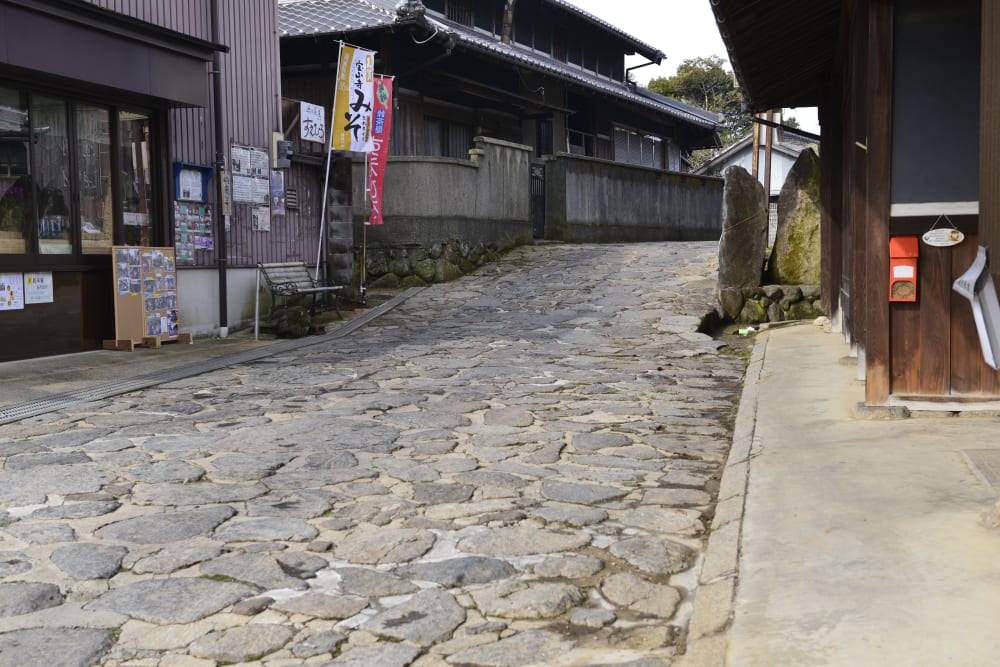
Kuragari Pass: A Historic Path Connecting Osaka and Nara
Introduction:
Kuragari Pass is a well-trodden path that once connected the cities of Osaka and Nara in japan. This ancient pathway has been in use since the 8th century and holds great historical significance. Originally used for transporting goods and by pilgrims traveling to the famous Ise-jingu Shrine, Kuragari Pass now attracts weekend hikers seeking a break from the hustle and bustle of the big cities. In this article, we will explore the highlights of Kuragari Pass, how to get there, and why it is worth visiting for both history enthusiasts and nature lovers.
The Manyoshu Monuments:
One of the must-see attractions along Kuragari Pass is the monuments dedicated to the Manyoshu, Japan’s oldest extant collection of poetry. The Manyoshu, compiled in the 8th century, is a treasure trove of ancient Japanese literature and provides valuable insights into the culture and society of that era. The monuments serve as a tribute to the poets and their timeless works, offering visitors a chance to connect with Japan’s rich poetic tradition.
The Amitabha Tathagata Statue:
Another notable sight along Kuragari Pass is the contemplative Amitabha Tathagata statue. This serene and majestic sculpture represents Amitabha Buddha, the Buddha of Infinite Light and Infinite Life. The statue, made of granite, exudes a sense of tranquility and spirituality, inviting visitors to pause and reflect on their own spiritual journey. Many hikers find solace and inner peace in the presence of this ancient masterpiece.
Sekibutsuji Temple and its Granite Sculpture:
Located along Kuragari Pass, Sekibutsuji Temple is a hidden gem that should not be missed. This temple is famous for its magnificent granite sculpture, which is considered a national treasure. The detailed craftsmanship and intricate design of the sculpture showcase the skill and dedication of the artisans of that time. The temple itself is a peaceful sanctuary, offering visitors a chance to immerse themselves in the beauty of Japanese Buddhist architecture.
How to Get There:
To reach Kuragari Pass, a car is necessary. Travelers can use Route 308 and head west from Nara for approximately 20 minutes to reach the pass. The scenic drive through the countryside adds to the charm of the journey, allowing visitors to appreciate the natural beauty of the surrounding landscape.
Traveling the Kuragari Pass:
Spanning a distance of 17 kilometers, Kuragari Pass is widely believed to be the shortest road linking Nara and Osaka. While many travelers nowadays opt for a taxi ride to cover this short distance, hiking the pass offers a more fulfilling and immersive experience. The hike may be slightly strenuous, but the rewards are well worth the effort. One of the highlights of the pass is the magnificent views it offers. From the top of the pass, visitors can enjoy breathtaking panoramas of Awaji Island, Kansai International Airport, Abeno Harukas, and the buildings of Umeda. These stunning vistas serve as a reminder of the beauty and grandeur of the Kansai region.
Why You Shouldn’t Skip the Hike:
Although taking a taxi may seem like a convenient option, skipping the hike would mean missing out on the true essence of Kuragari Pass. The hike allows visitors to connect with nature, appreciate the historical significance of the path, and soak in the tranquility of the surroundings. Walking along the ancient trail, one can almost imagine the footsteps of pilgrims and merchants who traversed this path centuries ago. The sense of history and the feeling of being part of something larger than oneself make the hike a truly memorable experience.
In addition to the historical and natural attractions, Kuragari Pass offers a unique opportunity to explore the local culture and traditions. Along the way, hikers may encounter small villages, traditional Japanese houses, and local shops. Interacting with the locals and experiencing their way of life adds a layer of authenticity to the journey.
COVID-19 Update:
It is important to note that the information provided in this article may be subject to change due to the ongoing COVID-19 pandemic. Before embarking on any travel plans, it is recommended to check the latest travel advisories and guidelines issued by the relevant authorities.
Conclusion:
Kuragari Pass is not just a road connecting two cities; it is a journey through time and a gateway to Japan’s rich history and culture. From the monuments dedicated to the Manyoshu to the contemplative Amitabha Tathagata statue and the magnificent granite sculpture at Sekibutsuji Temple, every step along the pass is a testament to the artistic achievements and spiritual traditions of the past. Whether you are a history enthusiast, a nature lover, or simply seeking a break from the city, Kuragari Pass offers a unique and enriching experience. So, grab your hiking boots, embark on this unforgettable journey, and let the ancient path guide you to a deeper understanding of Japan’s heritage.
Address And Maps Location:
Nishihata-cho, Ikoma-shi, Nara-ken
Find Location And Direction On Google Maps
Subscribe, follow travelbloggerindonesia.com