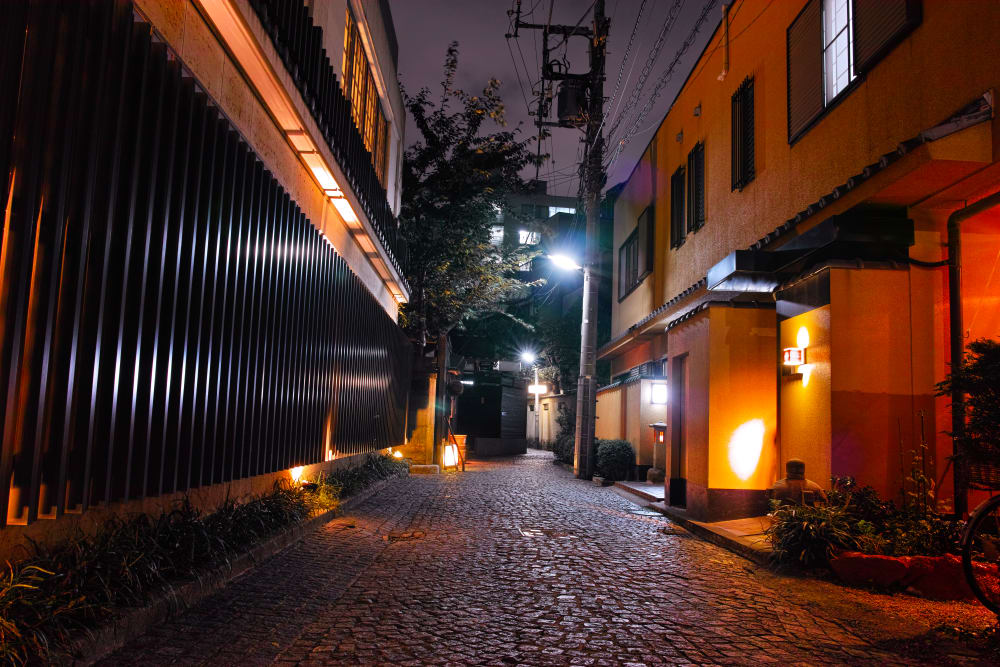
Kagurazaka: A Fusion of Tradition and Modernity
Introduction:
Kagurazaka is a trendy neighborhood located in Shinjuku-ku, Tokyo-to. With its rich history, upscale shops, traditional Japanese fine dining, and European cuisine, Kagurazaka offers a unique blend of old and new, making it one of Tokyo’s must-visit destinations. In this article, we will explore the roots of Kagurazaka as a shopping district, the various attractions it offers, and how to get there.
Historical Background:
Kagurazaka’s roots as a shopping district can be traced back to the Edo period. During this time, the neighborhood was known as a geisha district, and it attracted visitors with its entertainment and cultural activities. While many of the original buildings have been replaced over the years, a few houses from that era still stand today, serving as a reminder of Kagurazaka’s rich history.
The Meiji period (1868-1912) marked a significant transformation for Kagurazaka. It became a popular entertainment and shopping district, bustling with people visiting temples and gathering at night stalls. The district’s lively atmosphere attracted artists, writers, and intellectuals, who frequented the area’s cafes and restaurants. Even today, Kagurazaka retains its vibrant ambiance, with fancy cafes, cool shrines, and restaurants offering fine dining experiences.
Attractions in Kagurazaka:
1. Specialty Restaurants and Ryotei:
One of the highlights of Kagurazaka is its wide selection of specialty restaurants and ryotei, which are traditional Japanese haute cuisine restaurants. These establishments offer an authentic dining experience, showcasing the artistry and meticulousness of Japanese culinary traditions. Visitors can savor various delicacies, such as sushi, sashimi, tempura, and kaiseki, in elegant surroundings.
2. Akagi-jinja Shrine:
Akagi-jinja Shrine is a must-visit attraction in Kagurazaka. This shrine has historic roots dating back centuries and was renovated with a sleek, modern design in 2010. The combination of traditional and contemporary elements creates a unique atmosphere that attracts both locals and tourists. The shrine is also known for its annual festival, held in September, which showcases traditional music, dance, and other cultural performances.
3. Bishamonten Zenkokuji:
Another significant landmark in Kagurazaka is Bishamonten Zenkokuji, a temple that dates back to 1595. This temple serves as one of the symbols of the neighborhood and is dedicated to Bishamonten, one of the Seven Lucky Gods in Japanese mythology. The temple’s architecture, gardens, and cultural artifacts offer visitors a glimpse into japan‘s rich religious heritage.
How to Get There:
There are several convenient ways to reach Kagurazaka. The closest station is Kagurazaka on the Tozai line, making it easily accessible for visitors. Alternatively, one can get off at Iidabashi Station, which is served by the JR Chuo Line, Tokyo Metro Namboku and Yurakucho lines, and the Toei Oedo Line. These multiple train lines provide flexibility for travelers coming from different parts of Tokyo.
Conclusion:
Kagurazaka is a neighborhood that seamlessly blends tradition and modernity. With its historical significance, upscale shops, and diverse culinary scene, it offers a unique experience for visitors. Whether you are a history enthusiast, a food lover, or simply seeking a vibrant atmosphere, Kagurazaka has something to offer everyone. So, next time you visit Tokyo, make sure to include Kagurazaka in your itinerary and immerse yourself in its charm and allure.
Address And Maps Location:
Shinjuku-ku, Tokyo-to
Find Location And Direction On Google Maps
Subscribe, follow travelbloggerindonesia.com