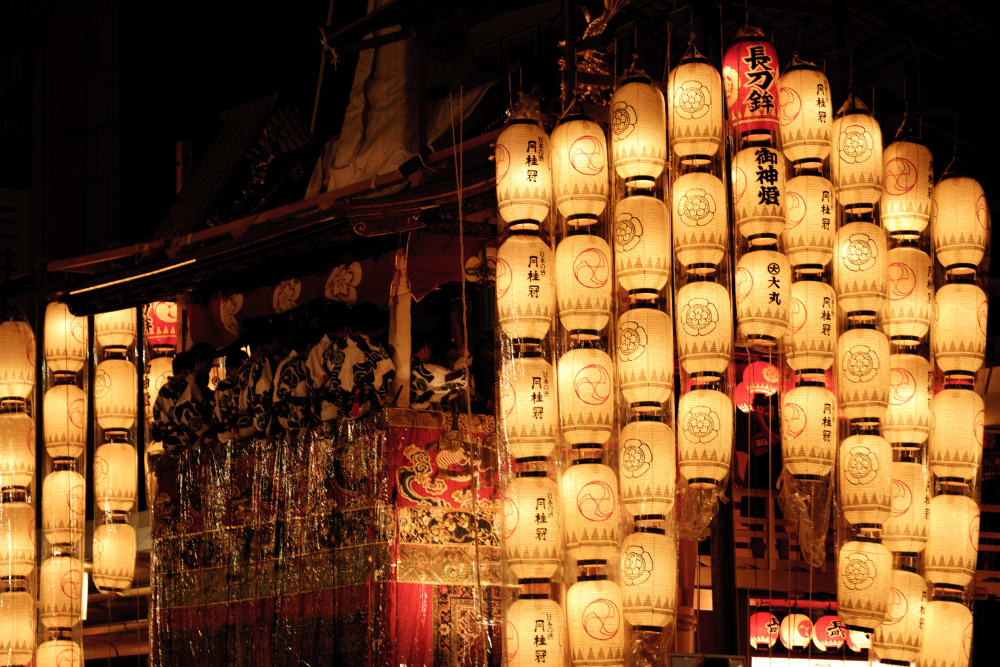
Gion Matsuri is Kyoto’s celebrated July festival, known for ornate floats, lantern-lit streets and ceremonies connected with Yasaka Shrine. The major Yamahoko Junko float processions are traditionally held on July 17 and July 24, but the festival’s religious and neighborhood events span the month. This guide explains the differences between the two processions, where to watch, how to travel responsibly and what official information to verify before a future visit.
The dates and procession counts below are supported by official 2026 Kyoto guidance. For future years, check the latest official festival maps and restrictions rather than assuming all logistics remain unchanged.
Key Takeaways
What Is Gion Matsuri?
Gion Matsuri is Kyoto’s month-long July festival associated with Yasaka Shrine. Its origins are commonly traced to prayers for relief from epidemic disease in 869. The festival remains a living religious and neighborhood tradition, not simply a parade for tourists. Its best-known public spectacles are the Yamahoko Junko processions, when intricately decorated floats travel through central Kyoto.
The festival’s religious center is Yasaka-jinja Shrine, but the principal float routes are in the downtown streets west of the Kamo River. That distinction matters when choosing accommodation or planning which station to use. For a sense of the surrounding neighborhood, read our Gion district guide and Pontocho walking guide.
Gion Matsuri Dates and Main Events
The main procession dates are traditionally fixed at July 17 and July 24, while the surrounding events run throughout July. The following is based on Kyoto City’s official 2026 festival guidance. If planning for 2027 or later, confirm the new year’s road closures, route details and ticket arrangements when the official schedule is published.
Saki Matsuri: July 14–17
The first festival phase includes Yoiyama evenings from July 14 to 16, followed by the early Yamahoko Junko procession on July 17. In 2026, Kyoto City’s tourism association listed 23 floats for the early procession, beginning at 9 a.m. on Shijo, Kawaramachi and Oike streets. Visitors can enjoy the atmosphere of lantern-lit floats during the evenings without needing to stand through the full daytime procession.
Ato Matsuri: July 21–24
The second phase features Yoiyama evenings from July 21 to 23 and the later float procession on July 24. The official 2026 guide listed 11 floats, with a 9:30 a.m. procession start. This phase can feel less hectic than the first, although central Kyoto is still busy in summer. Do not assume all street closures, food stalls or ticketed seats operate identically in both phases.
Shinko-sai and the mikoshi processions
Gion Matsuri also includes religious rites in which portable shrines are carried between Yasaka Shrine and the downtown otabisho. The mikoshi processions on July 17 and 24 are distinct from the daytime Yamahoko floats. Respect barriers and instructions from shrine staff; these ceremonies are acts of worship, not performances staged on demand.
For official dates and maps, see Kyoto City’s 2026 Yoiyama and procession guide.
Why the Yamahoko Floats Are Special
The enormous yama and hoko floats are the festival’s visual symbols. Some are pulled through the streets on large wooden wheels; others are carried. They are decorated with textiles, metal ornaments and figures that reflect generations of craft knowledge and neighborhood stewardship.
Watching the dramatic turns
One of the most memorable moments is tsuji-mawashi, when teams coordinate to turn a large float at a street intersection. The maneuver requires preparation, communication and physical effort. Choose a legal viewing location, arrive early and avoid pushing toward the turning area. Festival marshals may restrict movement or close crossings without much notice.
Appreciating the craft beyond the procession
Yoiyama gives visitors an opportunity to observe floats while stationary and see the lanterns after dark. Some neighborhoods display heirlooms or decorated screens in nearby houses, although access depends on local arrangements. Explore Kyoto’s other traditional arts through Kyoto Handicraft Center and the Kyoto National Museum.
Best Ways to Experience Gion Matsuri
Option 1: A procession morning
Arrive before the scheduled start, check the official route map and pick a place with safe access to water and shade. July in Kyoto can be intensely hot and humid. A street-side view may be free, but it offers no guaranteed sightline or seating. Paid viewing seats may be offered for some years; booking and refund terms should be checked directly with the organizer.
Option 2: A Yoiyama evening
Come after sunset to see lantern-lit floats and listen to festival music. Pedestrian restrictions and vendor arrangements differ by date, so do not treat a past year’s street-food description as a promise for your trip. Travel lightly, keep valuables secure and be considerate of residents whose streets become crowded.
Option 3: Yasaka Shrine and nearby heritage
Visit the shrine for a closer understanding of the festival’s religious roots, then explore Maruyama Park, Chion-in Temple and Kodai-ji Temple on a separate, less crowded outing. This option is especially useful for travelers who are in Kyoto outside the July festival dates.
Where to Watch and How to Get Around Kyoto
The float processions use central streets such as Shijo, Kawaramachi and Oike. Yasaka Shrine lies farther east, near Gion, and should not be confused with the start of the Yamahoko route. For the shrine itself, Kyoto City’s travel guide recommends train and walking combinations, including access via Higashiyama Station or a walk east from Shijo Kawaramachi.
From Kyoto Station
Use rail and subway connections where practical, then walk from a station outside the densest crowds. Road closures can make buses and taxis slower than expected. The Kyoto Station guide provides a starting point, while Kyoto City’s official access advice for Yasaka Shrine explains the recommended route.
Where to stay
Staying near downtown Kyoto can reduce transfers during festival evenings, but accommodation sells quickly. Areas around Kyoto Station, Sanjo and central subway stops can also work if you prefer a little distance from the busiest streets. Check last-train times and local walking routes before leaving your hotel.
Travelers with limited mobility
Consider an official reserved viewing seat when offered, verify accessible facilities with the organizer and avoid relying on last-minute crossings. Crowds, heat and long standing periods can make an otherwise short route challenging. Confirm specific accessibility information for the year of travel.
Festival Etiquette and Summer Safety
Kyoto’s official festival guidance asks visitors to hydrate, rest, follow police instructions, avoid bicycles in participant areas and refrain from eating or drinking while walking. The procession passes through residential neighborhoods, so keep doorways and private property clear. Use bins or take rubbish away, and do not touch float decorations or ceremonial equipment.
Wear breathable clothing, comfortable shoes and sun protection. A compact umbrella can help with sudden rain, but avoid opening one where it obstructs others. If you are traveling with children, agree on a meeting point and keep the day flexible. For quieter sightseeing on other days, consider the Philosopher’s Path or Arashiyama Bamboo Grove.
What Else to See in Kyoto
Festival crowds are not a reason to rush through every famous temple on the same day. Give yourself time for Fushimi Inari Taisha and Kiyomizu-dera Temple on a different morning. Food lovers may enjoy Nishiki Market, while architecture enthusiasts can plan a trip to Kinkaku-ji. For a wider perspective on Japanese summer celebrations, compare Kyoto’s Aoi Festival and Kyoto Gozan Okuribi.
Frequently Asked Questions
Is Gion Matsuri free?
Much of the festival can be watched from public streets without an admission ticket. Reserved grandstand seats, when available, are separately priced. Confirm current details with the official organizer.
Is Gion Matsuri held in the Gion district?
The festival is connected to Yasaka Shrine in Gion, but the large float processions take place mainly in the downtown merchant districts west of the river.
What are the most important dates?
July 17 and July 24 are the main float procession dates. The Yoiyama evenings immediately before them are also popular.
Can I see Gion Matsuri outside July?
The main annual festivities take place in July. Outside the festival, visit Yasaka Shrine and explore Kyoto’s heritage sites, but do not expect the same street processions.
Should I buy a viewing ticket?
Not necessarily. Street viewing is possible, but a reserved seat may help if standing for long periods is difficult. Check the organizer’s latest ticket information and accessibility conditions.
Official Sources and Further Reading
- Kyoto City Tourism Association: official 2026 Yoiyama and float procession guide
- Kyoto City: festival traditions and annual schedule
- Kyoto City: 2026 official viewing-seat guidance
- Kyoto City: Yasaka Shrine and historical context
- Japan National Tourism Organization: original Gion Matsuri reference
Address note: The historic address below identifies Yasaka Shrine, not the downtown float parade route. The original Google Maps directions link is retained unchanged.
Address And Maps Location:
625 Gionmachi Kitagawa, Higashiyama-ku, Kyoto-shi, Kyoto-fu
Find Location And Direction On Google Maps
Subscribe, follow travelbloggerindonesia.com