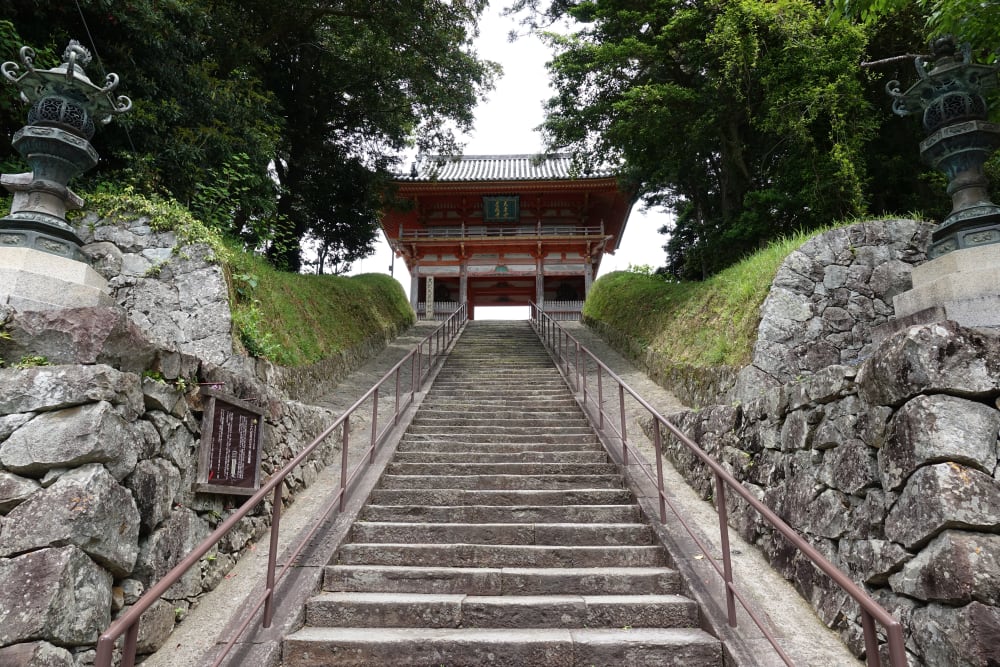
History of Temples and Shrines in Wakayama
Introduction
Wakayama, located in the Kansai region of japan, is known for its rich cultural heritage and historical significance. The prefecture is home to numerous temples and shrines that have stood the test of time, preserving the traditions and beliefs of the Japanese people. In this article, we will delve into the history and significance of these temples and shrines, exploring their architectural marvels, spiritual practices, and cultural significance.
1. Dojo-ji Temple
Heading 2: History
Dojo-ji Temple, located in Hidakagawa-cho, Hidaka-gun, Wakayama-ken, holds a special place in the hearts of the locals. Its history dates back to the 7th century when it was established by Buddhist monk Ragyō Shōnin. The temple was initially built to honor the memory of Emperor Tenji, who played a crucial role in the spread of Buddhism in Japan.
Heading 2: Architecture
The architectural style of Dojo-ji Temple is a perfect blend of traditional Japanese and Buddhist influences. The main hall, known as the Daidokoro, features a stunning roof adorned with intricate carvings and vibrant colors. The temple’s interior is adorned with beautiful statues and paintings, depicting various Buddhist deities and historical figures.
Heading 2: Spiritual Practices
Dojo-ji Temple is renowned for its unique spiritual practices, particularly the Shakkyō dance. This traditional dance is performed by female dancers, wearing elaborate costumes, to depict the story of Anchin and Kiyohime. The dance symbolizes the power of love and transformation, leaving a lasting impression on the spectators.
2. Tsutenkaku Tower
Heading 2: History
Tsutenkaku Tower, located in Osaka, is another iconic landmark in the Kansai region. While not in Wakayama prefecture, it is worth mentioning due to its historical significance and proximity. The tower was initially constructed in 1912 but was unfortunately destroyed during World War II. However, it was rebuilt in 1956 and has since become a symbol of Osaka’s vibrant cityscape.
Heading 2: Architecture
Tsutenkaku Tower stands tall at 103 meters and offers panoramic views of Osaka city. Its design is a fusion of Western and Japanese architectural styles, reflecting the era in which it was rebuilt. The tower’s observatory deck provides breathtaking views of the surrounding landscape, including Osaka Bay and the Osaka skyline.
Heading 2: Cultural Significance
Tsutenkaku Tower is not just a tourist attraction; it holds cultural significance for the people of Osaka. The tower is home to Billiken, a popular deity believed to bring good luck and happiness. Visitors can rub the feet of the Billiken statue for good luck and make a wish. The tower also houses a museum that showcases the history and evolution of Osaka.
3. Honpukuji Temple– The Water Temple (Mizumido)
Heading 2: History
Honpukuji Temple, also known as the Water Temple (Mizumido), is located in Hyogo prefecture, again not in Wakayama but worth mentioning for its historical and architectural significance. The temple was established in the 17th century and is dedicated to the Buddhist deity Benzaiten, the goddess of water and music.
Heading 2: Architecture
The architecture of Honpukuji Temple is awe-inspiring, with its main hall overlooking a tranquil pond. The temple’s design incorporates elements of Zen and traditional Japanese aesthetics, creating a serene and peaceful atmosphere. The reflection of the main hall in the water adds to the beauty and tranquility of the temple.
Heading 2: Spiritual Practices
At Honpukuji Temple, visitors can engage in spiritual practices such as meditation and prayer. The temple’s serene surroundings provide the perfect ambiance for introspection and self-reflection. Many visitors also participate in rituals and ceremonies dedicated to Benzaiten, seeking guidance and blessings for their personal and professional lives.
Conclusion
Wakayama prefecture, along with its neighboring regions, is a treasure trove of temples and shrines that offer a glimpse into Japan’s rich cultural heritage. The temples and shrines discussed in this article are just a few examples of the architectural marvels, spiritual practices, and cultural significance that can be found in the area. Exploring these historical sites not only provides a deeper understanding of Japanese traditions but also allows visitors to connect with the spiritual essence of the country. Whether it is Dojo-ji Temple’s Shakkyō dance, Tsutenkaku Tower’s panoramic views, or Honpukuji Temple’s tranquil atmosphere, each temple and shrine has its unique charm and allure. So, the next time you visit Wakayama, make sure to immerse yourself in the spiritual and cultural wonders that these temples and shrines have to offer.
Address And Maps Location:
1738 Kanemaki, Hidakagawa-cho, Hidaka-gun, Wakayama-ken
Find Location And Direction On Google Maps
Subscribe, follow travelbloggerindonesia.com