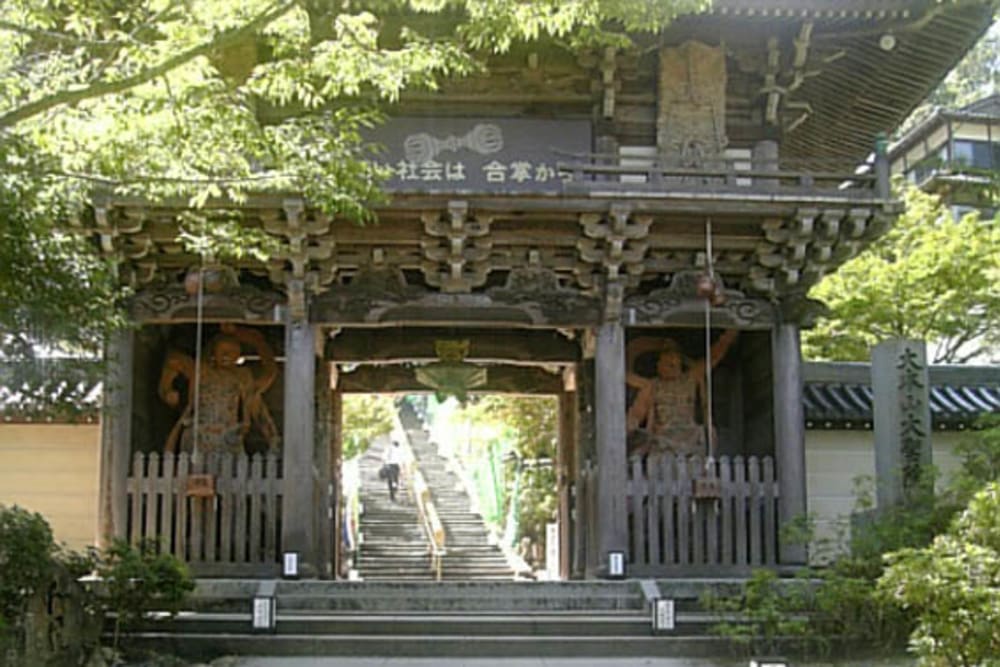
Daishoin Temple: A Journey through History and Spirituality
Introduction
Daishoin Temple, located in Miyajima-cho, Hatsukaichi-shi, Hiroshima-ken, is a renowned religious site that holds a significant place in Japanese history and spirituality. With its rich heritage, stunning architecture, and serene atmosphere, the temple attracts visitors from all over the world. In this article, we will delve into the history of Daishoin Temple, explore its notable features, and understand its importance in Japanese culture.
History
Daishoin Temple has a long and illustrious history that dates back to the 9th century. It was founded by Kukai, also known as Kobo Daishi, a prominent Buddhist monk who played a pivotal role in the development of Shingon Buddhism in japan. Kukai established Daishoin Temple as one of the main centers for the practice and dissemination of Shingon Buddhism.
Over the centuries, Daishoin Temple witnessed several renovations and expansions. The current main hall, known as Kannon-do, was reconstructed in the 16th century. It is a designated national treasure and showcases exquisite architectural craftsmanship. The temple complex also features numerous pagodas, halls, and gates, each with its unique significance and historical value.
Notable Features
1. Kannon-do
The Kannon-do is the main hall of Daishoin Temple and serves as the focal point of worship. It houses a statue of Kannon Bosatsu, the bodhisattva of compassion, which is believed to have been carved by Kukai himself. The statue is a masterpiece of Buddhist art and is revered by visitors and pilgrims alike.
2. Five-storied Pagoda
The five-storied pagoda, also known as Goju-no-to, is a striking landmark within the temple complex. It stands at a height of 27 meters and is adorned with intricate carvings and vibrant colors. The pagoda is a symbol of the fusion of Buddhism and Japanese architectural aesthetics.
3. Shoro Bell Tower
The Shoro Bell Tower is another notable feature of Daishoin Temple. It houses a large bronze bell that has been ringing throughout the centuries, marking important events and ceremonies. The sound of the bell resonates through the temple grounds, creating a sense of tranquility and spiritual awakening.
4. Senjokaku Hall
The Senjokaku Hall, also known as the Hall of a Thousand Tatami Mats, is a vast wooden structure that was built as a place for Buddhist rituals and ceremonies. Despite its name, the hall does not actually have a thousand tatami mats, but it is nonetheless an impressive architectural masterpiece.
5. Rakan Statues
One of the unique aspects of Daishoin Temple is its collection of Rakan statues. These statues depict the disciples of Buddha and are believed to possess special powers to grant wishes and protect the temple. Visitors can explore the Rakan Hall, where hundreds of these statues are displayed, each with its distinct expression and pose.
Importance in Japanese Culture
Daishoin Temple holds immense importance in Japanese culture and spirituality. It is considered one of the most sacred sites in the country and attracts pilgrims seeking spiritual solace and enlightenment. The temple’s serene environment, surrounded by lush greenery and overlooking the Seto Inland Sea, provides a perfect setting for meditation and introspection.
The teachings of Shingon Buddhism, propagated by Kukai, continue to inspire and guide people in their spiritual journey. The rituals and practices conducted at Daishoin Temple offer a glimpse into the rich traditions and beliefs that have shaped Japanese society for centuries.
Visiting Daishoin Temple
When visiting Daishoin Temple, it is important to respect the temple’s customs and traditions. Visitors should dress modestly and remove their shoes before entering the main hall. Photography may be restricted in certain areas, so it is advisable to check with the temple staff beforehand.
To reach Daishoin Temple, visitors can take a short ferry ride from Miyajima Island to the mainland. The temple is easily accessible from Hiroshima City and is often included in day trips to Miyajima. It is recommended to allocate sufficient time to explore the temple grounds and immerse oneself in its spiritual atmosphere.
Conclusion
Daishoin Temple stands as a testament to Japan’s rich cultural and religious heritage. Its historical significance, stunning architecture, and tranquil ambiance make it a must-visit destination for travelers seeking a deeper understanding of Japanese spirituality. Whether you are a history enthusiast, a religious pilgrim, or simply a curious traveler, Daishoin Temple offers a profound experience that will leave a lasting impression on your journey through Japan.
Address And Maps Location:
210 Miyajima-cho, Hatsukaichi-shi, Hiroshima-ken
Find Location And Direction On Google Maps
Subscribe, follow travelbloggerindonesia.com