Key Takeaways
Ban Khun Amphai Phanit: A Historical Gem of Si Sa Ket
Introduction
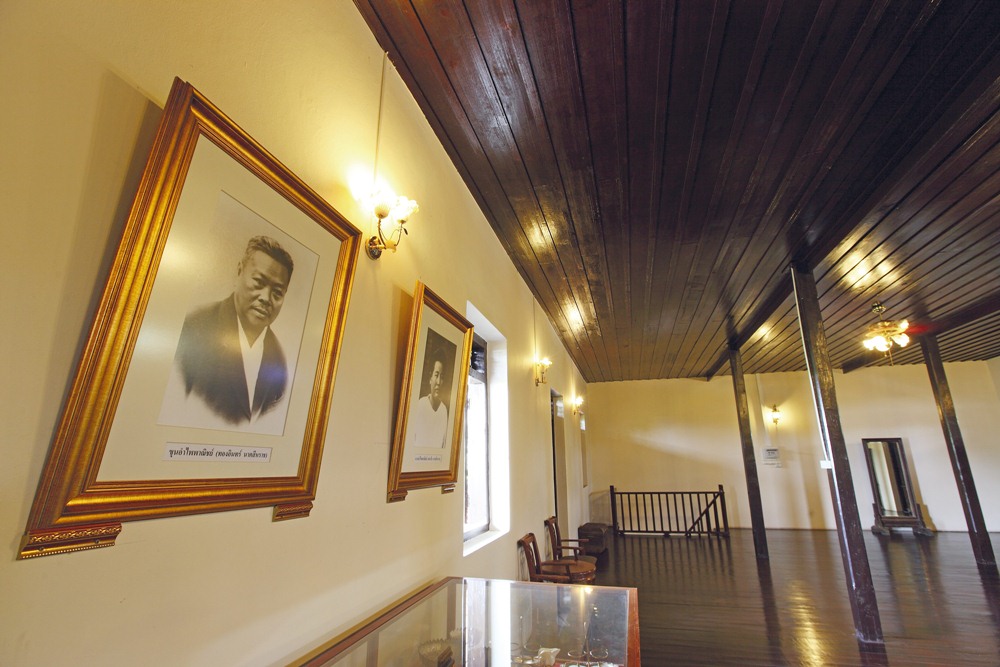
Ban Khun Amphai Phanit, an architectural treasure located on Ubon Road in Si Sa Ket, thailand, stands as a testament to the rich cultural and historical heritage of the region. This magnificent structure, originally owned by the esteemed nobleman Khun Amphai Phanit, also known as In Naga-siharat, has a fascinating history that dates back to the early 20th century. Built in 1925 by skilled Chinese and Mon artisans, this Chinese-style edifice is renowned for its exquisite stucco decorations. Its architectural significance and preservation efforts have garnered it numerous accolades, including a gold medal in the 1988 project for conserving urban architecture. The Fine Art Department of Thailand has also recognized it as an ancient building, further cementing its place in the annals of history.
Historical Background
The Origins of Ban Khun Amphai Phanit
The story of Ban Khun Amphai Phanit begins in the 1920s, a period marked by significant cultural exchanges and architectural innovations in Thailand. Khun Amphai Phanit, a prominent nobleman in Si Sa Ket, envisioned a residence that would reflect the grandeur and elegance of the era. To bring this vision to life, he enlisted the expertise of Chinese and Mon craftsmen, who were renowned for their architectural prowess and attention to detail.
Architectural Design and Construction
The construction of Ban Khun Amphai Phanit commenced in 1925, with a focus on incorporating traditional Chinese architectural elements. The building’s design is characterized by intricate stucco work, which adorns the façade and interior, showcasing the remarkable craftsmanship of the artisans involved. The use of high-quality materials and meticulous attention to detail ensured that the structure would stand the test of time.
Architectural Significance
The Influence of Chinese and Mon Artistry
The architectural style of Ban Khun Amphai Phanit reflects a harmonious blend of Chinese and Mon influences. The Chinese artisans brought their expertise in creating ornate stucco decorations, while the Mon craftsmen contributed their knowledge of structural integrity and design. This fusion of styles resulted in a unique and visually captivating building that remains a symbol of cross-cultural collaboration.
Stucco Decorations: A Masterpiece of Craftsmanship
One of the most striking features of Ban Khun Amphai Phanit is its elaborate stucco decorations. These intricate designs, meticulously crafted by skilled artisans, depict various motifs and patterns that are both aesthetically pleasing and symbolically significant. The stucco work not only enhances the building’s visual appeal but also reflects the cultural and artistic heritage of the region.
Preservation and Recognition
Renovation Efforts and Preservation
Over the years, Ban Khun Amphai Phanit has undergone several renovation and preservation efforts to maintain its structural integrity and historical authenticity. These efforts have been instrumental in ensuring that the building remains a cherished landmark in Si Sa Ket. The commitment to preserving this architectural gem highlights the importance of safeguarding cultural heritage for future generations.
Accolades and Recognition
In 1988, Ban Khun Amphai Phanit received a prestigious gold medal in a project dedicated to conserving urban architecture. This accolade underscored the building’s architectural significance and the success of preservation initiatives. Furthermore, the Fine Art Department’s decision to register the building as an ancient monument solidified its status as a cultural treasure, worthy of protection and admiration.
Conclusion
Ban Khun Amphai Phanit stands as a remarkable testament to the rich cultural heritage and architectural brilliance of Si Sa Ket. Its intricate stucco decorations, Chinese and Mon influences, and historical significance make it a must-visit landmark for anyone interested in exploring the region’s history and artistry. The preservation efforts and recognition it has received ensure that this architectural gem will continue to inspire and captivate generations to come.
Address And Location:
Mueang Tai Mueang Si Sa Ket Si Sa Ket 33000