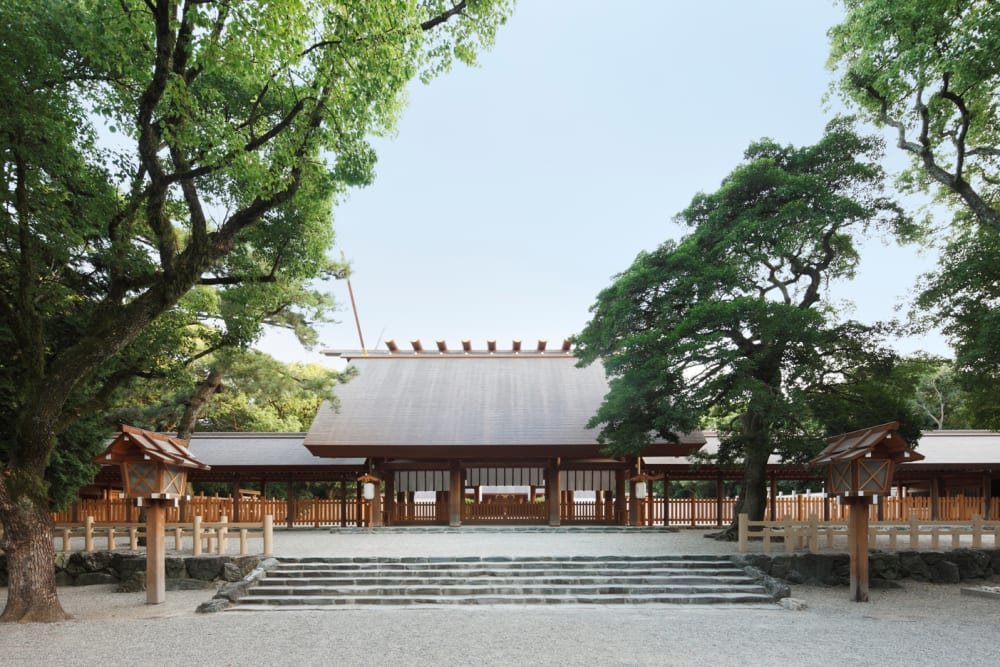
Tranquility, gods, and a sacred sword: Exploring Atsuta Jingu, japan‘s Most Important Shinto Shrine
Introduction:
Atsuta Jingu, located in Nagoya, is one of Japan’s most important Shinto shrines. With a history dating back 1,900 years, this sacred site holds immense cultural and religious significance for the people of Japan. Nestled in the fertile Owari Plain, Atsuta Jingu is revered as the protector of agriculture and has become a center for festivals and divine services focused on cultivation. The shrine’s appeal lies in its rich legends and the tales of a sacred relic and the influence of the gods.
History and Significance:
Atsuta Jingu was reportedly founded 1,900 years ago and has since become the religious heart of Nagoya. Its sprawling grounds cover approximately 60,000 square meters and are home to a 1,000-year-old camphor tree, adding to the shrine’s mystical and serene atmosphere. The shrine receives millions of visitors every year, attesting to its importance in Japanese culture.
Legends and Myths:
At the core of Atsuta Jingu’s appeal are the legends and myths associated with the shrine. One such legend revolves around a sacred sword called Kusanagi-no-Tsurugi. According to ancient tales, when the god Susanoo slayed an eight-headed serpent, the sword was found in its tail. This sacred relic, one of the three items of the Imperial Regalia of Japan, was enshrined at Atsuta Jingu. Unfortunately, the sword itself is not displayed to the public, but its presence adds to the shrine’s mystique and allure.
Exploring Atsuta Jingu:
As you enter Atsuta Jingu, you are immediately transported to a world of natural beauty and tranquility. The shrine is surrounded by a sprawling grove, bathed in sunlight, and filled with the scent of foliage. The serene atmosphere allows visitors to forget the hustle and bustle of modern life and immerse themselves in the spiritual ambiance of the shrine.
Hidden Places of Worship:
While the main shrine is an impressive sight, the grounds of Atsuta Jingu hold hidden treasures in the form of miniature shrines tucked away in secluded corners and copses. These hidden places of worship provide a sense of discovery and exploration as you stumble upon them during your stroll through the grounds. It is not uncommon to witness romantic couples dressed in their finest attire, making use of the picturesque surroundings for ceremonies and photos.
Historical Significance:
Atsuta Jingu’s historical significance is further emphasized by the remains of a wall donated by the mighty samurai warlord Oda Nobunaga. This testament to the shrine’s connection with powerful figures of the past adds to its grandeur and allure. If you find your own power waning, you can visit one of the stalls within the shrine grounds and indulge in some Kiyome mochi rice cakes, known for their rejuvenating properties.
How to Get There:
Atsuta Jingu is conveniently located and easily accessible by train. Jingu-mae Station on the Meitetsu Line is a mere three-minute walk from the shrine, while JR Atsuta Station on the JR Tokaido Line is an eight-minute walk away. Both train lines can be accessed from Nagoya Station, making it a straightforward journey for visitors.
Conclusion:
Atsuta Jingu is a place of tranquility, spirituality, and historical significance. Its lush grounds, hidden places of worship, and legends of gods and sacred relics make it a must-visit destination for those seeking a deeper understanding of Japanese culture and spirituality. Whether you are drawn to the shrine’s historical significance, the allure of its legends, or simply the desire to immerse yourself in a serene and picturesque environment, Atsuta Jingu offers a captivating and enriching experience. Plan your visit to this remarkable Shinto shrine and discover the tranquility, gods, and the sacred sword that lie within its sacred grounds.
Address And Maps Location:
1-1-1 Jingu, Atsuta-ku, Nagoya-shi, Aichi-ken
Find Location And Direction On Google Maps
Subscribe, follow travelbloggerindonesia.com