Key Takeaways
The Annamese Lion Pulpit at Ban Chi Thuan
Introduction
Nestled in the serene village of Ban Chi Thuan, Tambon Chi Thuan, stands a unique piece of artistry known as the Annamese Lion Pulpit. This remarkable structure is housed within Wat Sinuan Saeng Sawang Arom, a Buddhist temple that attracts both art enthusiasts and spiritual seekers. The pulpit, with its rich history and distinctive design, serves as a testament to the cultural fusion and artistic prowess of Annamese craftsmen.
Historical Background
Origins and Construction
Constructed around the year 1925, the Annamese Lion Pulpit is believed to have been the work of skilled craftsmen from Annam, an area in present-day Vietnam. During this period, the movement of artisans across Southeast Asia was not uncommon, and their influence can be seen in various architectural and artistic endeavors. The pulpit was designed to serve as a focal point for religious oratory within the temple, bridging cultural elements from both thailand and Vietnam.
Cultural Significance
The presence of Annamese craftsmanship in Thailand during the early 20th century is indicative of the historical interactions between these regions. The pulpit not only reflects the artistic styles of the time but also symbolizes a blend of cultures. Its construction during a period of relative peace and cooperation underscores the long-standing relationship between Thailand and Vietnam.
Architectural Features
Design and Materials
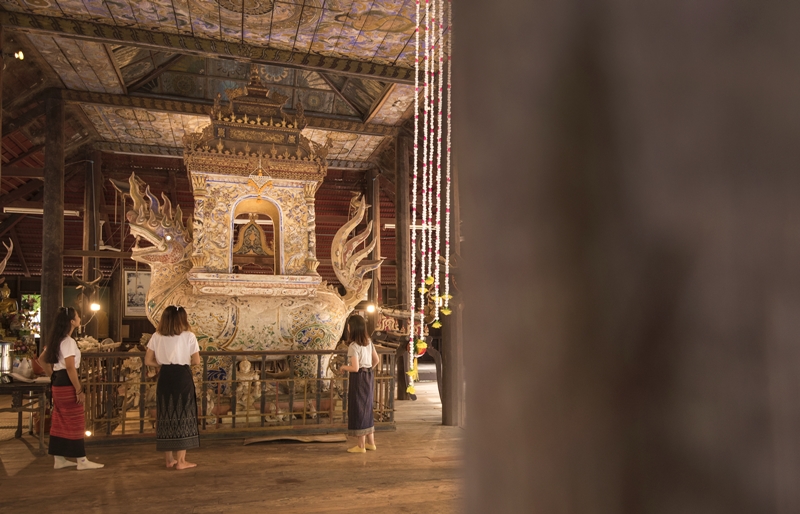
The Annamese Lion Pulpit is a striking example of artistic fusion, combining traditional Thai elements with Annamese aesthetics. The structure is primarily made of concrete, a material choice that provides durability and allows for intricate detailing. At its base, a majestic lion sculpture acts as the foundation, carrying the weight of the pulpit above.
Decorative Elements
The pulpit is adorned with decorative stucco, showcasing elaborate designs that are characteristic of Annamese art. The multi-layered wooden roof provides a visual contrast to the concrete base, adding depth and dimension to the structure. Additionally, the pulpit is painted in the Annamese style, featuring vibrant colors and motifs that are both eye-catching and symbolic.
Symbolism
Each element of the pulpit holds symbolic meaning, from the lion representing strength and protection to the intricate stucco work that tells stories of spiritual significance. The combination of these elements serves to elevate the pulpit beyond a mere functional object, transforming it into a piece of art that conveys cultural narratives.
Visiting the Annamese Lion Pulpit
Location and Accessibility
Ban Chi Thuan is located approximately 26 kilometers from downtown Ubon Ratchathani, making it accessible for visitors traveling by car. The journey involves taking Highway 23 and then transitioning onto Highway 2412. The village is situated 5 kilometers off the main road, on the left, making it a relatively straightforward destination for those seeking to explore this hidden gem.
Visitor Experience
Visitors to Wat Sinuan Saeng Sawang Arom can expect to be greeted by the tranquility of the temple grounds, which provide a serene backdrop for the pulpit. The temple’s peaceful ambiance enhances the experience of viewing the pulpit, allowing visitors to fully appreciate its artistic and historical significance. Guided tours may be available, offering insights into the craftsmanship and cultural context of the pulpit.
Conclusion
The Annamese Lion Pulpit at Ban Chi Thuan stands as a remarkable testament to the artistic and cultural exchanges between Thailand and Vietnam. Its unique design and historical significance make it a valuable piece of local art that continues to inspire admiration and study. For those interested in exploring the rich tapestry of Southeast Asian history and art, a visit to this pulpit offers a rewarding and enlightening experience.
Address And Location:
Mu 1 Ban Chi Thuan Khueang Nai Khueang Nai Ubon Ratchathani 34150