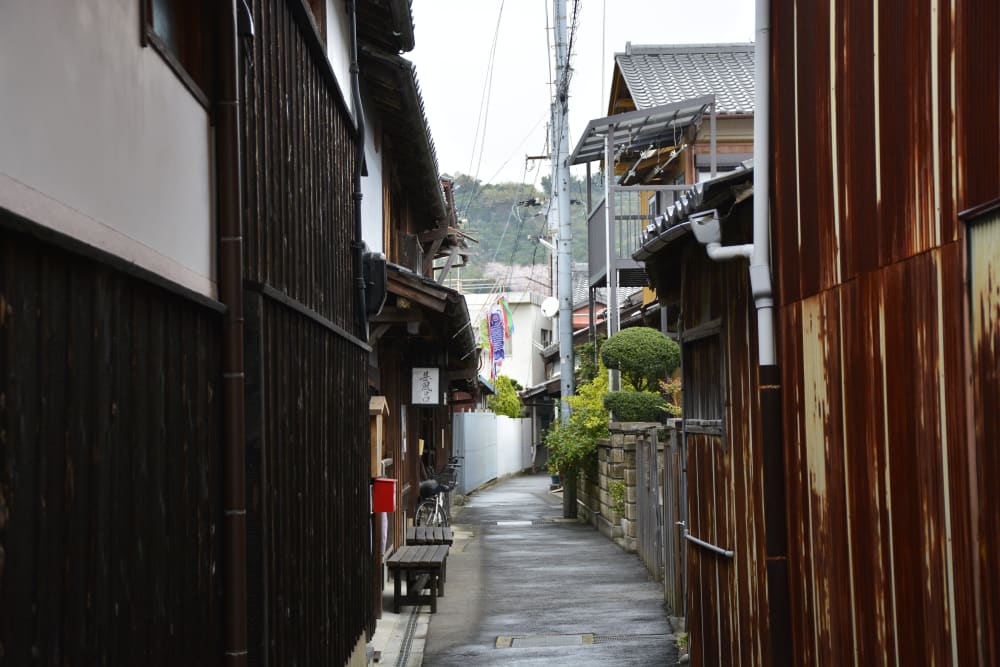
A picturesque small town with a big and important culinary history
Yuasa, a quiet town of narrow alleys lined with traditional buildings, might feel far removed from the bright lights of Tokyo or Osaka, but a world-changing culinary event occurred here—the birth of soy sauce. When you visit this Wakayama seaside town, you’ll find yourself surrounded by the sights of old japan, the sounds of the sea, and the aroma of freshly made soy sauce.
Don’t Miss
Yuasa’s local dish of shirasu-don—a rice bowl heaped with fresh whitebait
Soy sauce ice cream, available at Yuasa Soy Sauce Marushin Honke brewery
A tour of the Kadocho soy sauce factory
How to Get There
A local train from JR Wakayama station bound for Yuasa will take you to the town in around an hour. If you’re traveling from outside the prefecture, the Kuroshio Express Train from Shin-Osaka will take you to Wakayama City in around 90 minutes, after which you can transfer to a local train. Once you’ve arrived, you can rent bicycles at the Tourism Exchange Center across the street from the station to get around.
See the sauce-making steps
Diving into the historic streets, your first stop should be the old wooden buildings of Kadocho Soy Sauce Factory, where brewers still produce the traditional condiment from a recipe unchanged for over 170 years. At the factory, you can learn about this traditional brewing process and see some of the old-fashioned tools used to create soy sauce. Guided tours are possible, but must be booked in advance. Entrance is free.
The accidental discovery of shoyu
It is said that the invention of shoyu (soy sauce) in Yuasa was completely by coincidence. A priest returning from China with the know-how of producing miso (soybean paste) began production of the paste and realized that the fluids that ran off mid-production turned out to be a delicious condiment for a whole host of Japanese dishes. Soy sauce was born.
A town of cultural treasures
Yuasa is not just about soy sauce and miso production. While in town, you can enjoy other hidden treasures, such as Jinburo: a restored bathhouse which now serves as a museum packed full of artifacts and glimpses of what life was like in the Edo period (1603-1868) Yuasa. There are also a host of other museums, temples, and places of interest that can be enjoyed while strolling the historic streets. Make sure to grab a tourist guide from the Tourism Exchange Center in front of the station when you first arrive.
Preservation district
The town’s significance and cultural heritage were recognized on a national level in 2006 when its Edo-period buildings and soy sauce breweries were selected to be part of a preservation district for traditional structures.
Yuasa: A Culinary Gem in Wakayama
Yuasa, a small town located in Wakayama prefecture, is a hidden gem that offers a glimpse into the rich culinary history of Japan. Despite its small size and remote location, Yuasa played a pivotal role in the birth of soy sauce, one of the most important condiments in Japanese cuisine. When visiting this picturesque town, visitors can immerse themselves in the sights, sounds, and smells of old Japan, while also enjoying the unique culinary experiences that Yuasa has to offer.
One of the highlights of Yuasa is its local dish called shirasu-don. This delectable rice bowl is piled high with fresh whitebait, a type of small fish commonly found in the nearby Seto Inland Sea. The combination of the tender whitebait and perfectly cooked rice creates a mouthwatering meal that is beloved by both locals and visitors alike. For those with a sweet tooth, Yuasa is also home to a soy sauce brewery called Marushin Honke, where you can indulge in soy sauce ice cream. This unique frozen treat combines the savory flavors of soy sauce with the creamy texture of ice cream, resulting in a surprisingly delightful dessert.
To truly understand the significance of soy sauce in Yuasa, a visit to the Kadocho soy sauce factory is a must. This historic factory has been producing soy sauce using traditional methods for over 170 years. During a guided tour, visitors can learn about the intricate process of soy sauce production and witness the craftsmanship that goes into creating this beloved condiment. From the fermentation of soybeans to the aging process in wooden barrels, every step in the production of soy sauce is carried out with precision and care. The factory also showcases a collection of old-fashioned tools and equipment, giving visitors a glimpse into the past.
The story of how soy sauce was discovered in Yuasa is a fascinating one. Legend has it that a priest returning from China brought back the knowledge of producing miso, a fermented soybean paste. During the production of miso, the fluids that ran off were found to be a flavorful condiment that enhanced the taste of various dishes. This accidental discovery led to the birth of soy sauce, which quickly became an essential ingredient in Japanese cooking.
While soy sauce is undoubtedly the star of the show in Yuasa, the town also boasts a wealth of cultural treasures. One such treasure is Jinburo, a restored bathhouse that now serves as a museum. Stepping inside Jinburo is like taking a journey back in time to the Edo period. The museum is filled with artifacts and exhibits that provide a glimpse into the daily lives of the people who lived in Yuasa during that time. From traditional clothing to household items, each display offers a unique insight into the history and culture of the town.
In addition to Jinburo, Yuasa is home to several other museums, temples, and places of interest. As you wander through the historic streets, you’ll come across hidden gems that offer a deeper understanding of the town’s rich heritage. Whether it’s visiting a temple to learn about the local customs and traditions or exploring a museum to admire exquisite artworks, there is no shortage of cultural experiences to be had in Yuasa.
It is worth noting that Yuasa’s cultural significance and architectural beauty were officially recognized in 2006 when the town’s Edo-period buildings and soy sauce breweries were designated as a preservation district for traditional structures. This designation is a testament to the town’s commitment to preserving its unique history and ensuring that future generations can appreciate its beauty.
Getting to Yuasa is a relatively straightforward journey. If you’re coming from Tokyo or Osaka, you can take a local train from JR Wakayama station that will transport you to the town in approximately an hour. For those traveling from outside the prefecture, the Kuroshio Express Train from Shin-Osaka is a convenient option. After arriving in Wakayama City, you can transfer to a local train that will take you to Yuasa. Once you’ve arrived, renting a bicycle from the Tourism Exchange Center is a great way to explore the town at your own pace.
In conclusion, Yuasa is a small town with a big culinary history. From its role in the birth of soy sauce to its collection of cultural treasures, this picturesque town offers a unique and immersive experience for visitors. Whether you’re a food lover looking to indulge in local delicacies or a history enthusiast eager to learn about the town’s past, Yuasa has something to offer everyone. So why not venture off the beaten path and discover the hidden culinary gem that is Yuasa?
Address And Maps Location:
Arida-gun, Wakayama-ken
Find Location And Direction On Google Maps
Subscribe, follow travelbloggerindonesia.com