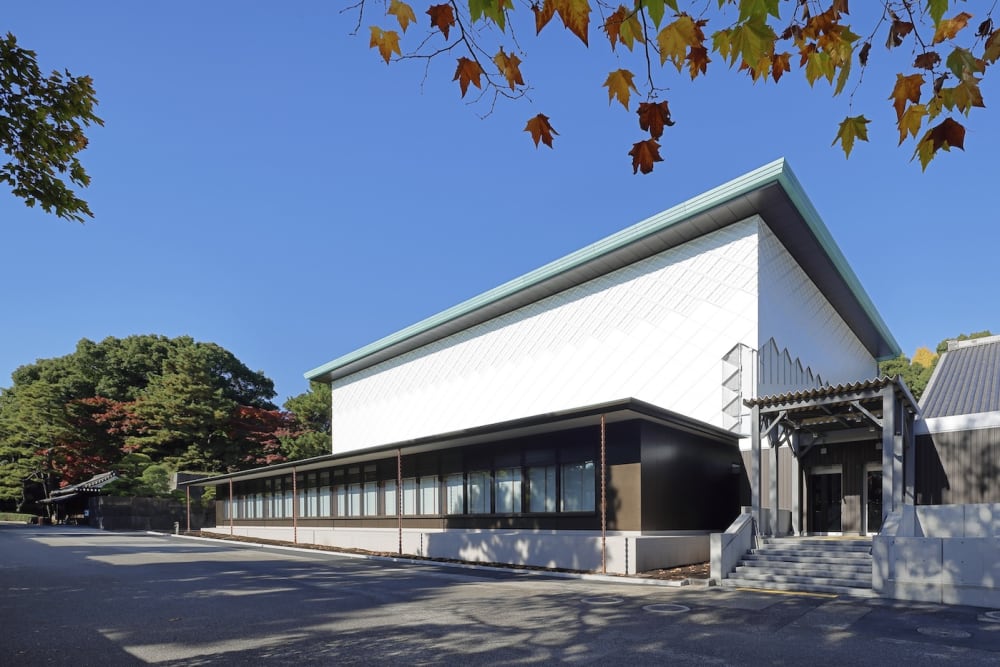
The Imperial Family’s Extensive Collection of Art
The Museum of the Imperial Collections, Sannomaru Shozokan, located within the Imperial Palace East Gardens, is home to an impressive collection of artworks that have been passed down through generations by the Imperial Family. With over 20,000 pieces on display, visitors have the opportunity to explore the rich history of japan through its iconic calligraphy, painting, and decorative art.
The Museum’s collection primarily focuses on Asian arts and crafts, with an emphasis on Japanese works. However, it also includes pieces from various periods, regions, and genres from around the world. This diverse range of art provides visitors with a comprehensive view of the artistic traditions and cultural exchange that have shaped Japan’s history.
One of the highlights of the Museum is the collection of handscrolls from the 13th century, known as the Illustrated Account of the Mongol Invasions. These scrolls depict the historical events surrounding the attempted invasions of Japan by the Mongol Empire. The level of detail and craftsmanship in these scrolls is truly remarkable, offering a glimpse into the past and the resilience of the Japanese people.
Another notable piece in the collection is the folding screen titled Chinese Lions, created by Kano Eitoku during the Early Modern period. This screen is considered a National Treasure and showcases the artist’s mastery of the Kanō school of painting. The intricate details and vibrant colors of the lions bring the artwork to life, making it a must-see for art enthusiasts.
To visit the Museum of the Imperial Collections, visitors can access it through the Ote-mon Gate of the East Gardens. The closest subway station is Otemachi, and from there, it is just a 5-minute walk to the entrance. The convenient location makes it easily accessible for both locals and tourists alike.
The establishment of the Museum can be attributed to the generous gifts from the Imperial Family to Japan. In 1989, His Majesty the Emperor Emeritus and his mother, Empress Kojun, donated a substantial collection of art to the nation. This act of generosity laid the foundation for the Museum and allowed it to showcase these cultural treasures to the public.
Over the years, the Museum’s collection has continued to grow through additional gifts from members of the Imperial Family. These cultural masterpieces hold immense significance and are exhibited on a rotating basis in the Museum’s new gallery space. This ensures that visitors can always expect something new and exciting every time they visit.
As visitors explore the Museum, they will be transported through time, witnessing the evolution of Japan’s artistic traditions. From ancient calligraphy to modern paintings, each piece tells a unique story and reflects the cultural values and aesthetics of its time.
In addition to the collection itself, the Museum also offers educational programs and events to further enhance visitors’ understanding and appreciation of Japanese art. These programs include workshops, lectures, and guided tours conducted by knowledgeable curators and experts in the field. This commitment to education and cultural preservation sets the Museum apart and makes it an invaluable resource for both scholars and art enthusiasts.
The Museum of the Imperial Collections serves as a testament to the rich cultural heritage of Japan and the enduring legacy of the Imperial Family. Its collection of art provides a window into the past, allowing visitors to connect with the country’s history and appreciate the beauty and craftsmanship of its artistic traditions.
In conclusion, the Museum of the Imperial Collections is a must-visit destination for anyone interested in Japanese art and culture. With its extensive collection, diverse range of artworks, and commitment to education, the Museum offers a unique and immersive experience for visitors. Whether you are a seasoned art enthusiast or simply curious about Japan’s rich heritage, a visit to this Museum is sure to leave a lasting impression.
Address And Maps Location:
1-8 Chiyoda, Chiyoda-ku, Tokyo-to
Find Location And Direction On Google Maps
Subscribe, follow travelbloggerindonesia.com