A major Inari fox shrine once for the sole use of castle lords, with a torii tunnel
Taikodani Inari-jinja is one of the top five Inari shrines in japan and attracts a million visitors each year. Known for its reputation of fulfilling wishes, this shrine was founded in 1773 by the lords of the castle on the mountaintop above. Initially, it was exclusively used by the ruling samurai, but it was opened to the public in the late 19th century.
Don’t Miss
One of the highlights of Taikodani Inari-jinja is the presence of over 1,000 red shrine gates. These gates, known as torii, create a stunning visual spectacle and are a symbol of the Inari deity. Walking through this torii tunnel is a unique experience that immerses visitors in the spiritual ambiance of the shrine. The vibrant red color of the gates against the natural backdrop of the hillside creates a picturesque and awe-inspiring sight.
The shrine also offers four points of worship, which are significant areas where visitors can pay their respects and make their wishes. Each point represents a different aspect of life, such as health, wealth, relationships, and success. Many visitors come to these points to offer their prayers and seek blessings from the Inari deity.
Another attraction of Taikodani Inari-jinja is the fantastic views it offers. Situated on a mountaintop, the shrine provides breathtaking panoramic views of the surrounding landscape. From the top, visitors can admire the beauty of Tsuwano and its natural surroundings. The combination of the lush greenery, the winding river, and the distant mountains creates a serene and tranquil atmosphere that is perfect for reflection and contemplation.
How to Get There
Reaching Taikodani Inari-jinja is relatively easy. Visitors can take a train to Tsuwano Station and then either walk or take a short taxi ride to the shrine. From Tsuwano Station, it is a 15-minute walk to the shrine, followed by a 10-minute walk up the hill. For those who prefer a quicker option, a six-minute taxi ride from Tsuwano Station will take them directly to the shrine. Additionally, the shrine is conveniently located just a couple of minutes’ walk from Tonomachi, the main tourist street in Tsuwano.
A red torii tunnel shows you the way
As visitors approach Taikodani Inari-jinja, they are greeted by a striking sight—a red torii tunnel that leads the way to the shrine. This tunnel is created by a series of red wooden torii gates that line the path up the hillside. Walking through this tunnel is a symbolic journey, representing the transition from the mundane world to the sacred realm of the shrine.
The torii gates hold great significance in Shintoism, the indigenous religion of Japan. They are considered the entrance to sacred spaces and mark the boundary between the secular and the divine. In the case of Taikodani Inari-jinja, the torii tunnel serves as a symbolic gateway to the spiritual realm of the Inari deity.
Along the path, visitors will also come across numerous tiny shrines adorned with white fox figurines. These foxes are believed to be the messengers of the Inari deity and are historically associated with the rice harvest. The presence of these figurines adds to the mystical and enchanting atmosphere of the shrine.
Ceremony and ritual
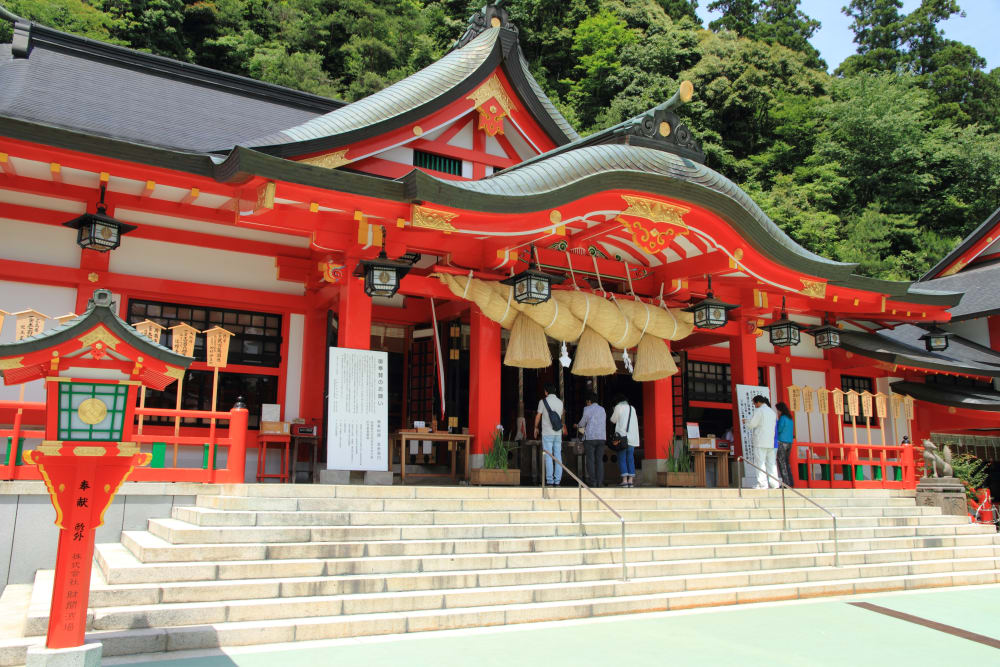
Once visitors reach the top of the hill, they enter a large platform surrounded by colorful buildings and pine trees. This platform serves as the central area of the shrine, where various ceremonies and rituals take place.
One of the notable rituals is the Oharai, the purification rituals. These rituals occur throughout the day in the great main hall, which is adorned with a massive shimenawa—a rice straw rope that marks sacred space. During the purification rituals, visitors can witness the elegant dance performed by shrine maidens, known as Mikomai. The graceful movements and traditional attire of the shrine maidens add an element of beauty and grace to the ceremonies.
Below the main platform, there are steps that lead to an area where cars and taxis can reach the shrine. This area is specially designed for purifying cars and their drivers in traffic-safety rituals. It is believed that these rituals bring blessings and protection to those who travel on the roads.
Don’t forget to try the traditional food
Taikodani Inari-jinja is not only a place of spiritual significance but also a hub of cultural festivities. The shrine hosts big festivals in the spring and autumn, marked by grand ceremonies and processions. During these festivals, dozens of priests and shrine maidens participate, wearing elaborate and colorful attire. The vibrant and lively atmosphere during these festivals is a sight to behold.
Visitors can also indulge in the traditional food offered at the shrine. One popular dish is the wild boar stew, which is a local specialty. The stew is flavorful and hearty, reflecting the rich culinary traditions of the region. Additionally, visitors can enjoy performances of Iwami Kagura, a traditional Japanese dance-drama. These performances showcase the cultural heritage of the Shimane region and provide a unique and entertaining experience for visitors.
In conclusion, Taikodani Inari-jinja is a remarkable shrine that combines natural beauty, cultural significance, and spiritual reverence. Its history as a shrine exclusively used by castle lords adds to its allure and mystique. Whether it’s walking through the torii tunnel, participating in the purification rituals, or savoring the traditional food, a visit to Taikodani Inari-jinja is a truly enriching experience. The shrine’s ability to fulfill wishes and its stunning views make it a must-visit destination for those seeking a deeper connection with Japan’s spiritual and cultural heritage.
Address And Maps Location:
409 Ushiroda, Tsuwano-cho, Kanoashi-gun, Shimane-ken
Find Location And Direction On Google Maps
Subscribe, follow travelbloggerindonesia.com