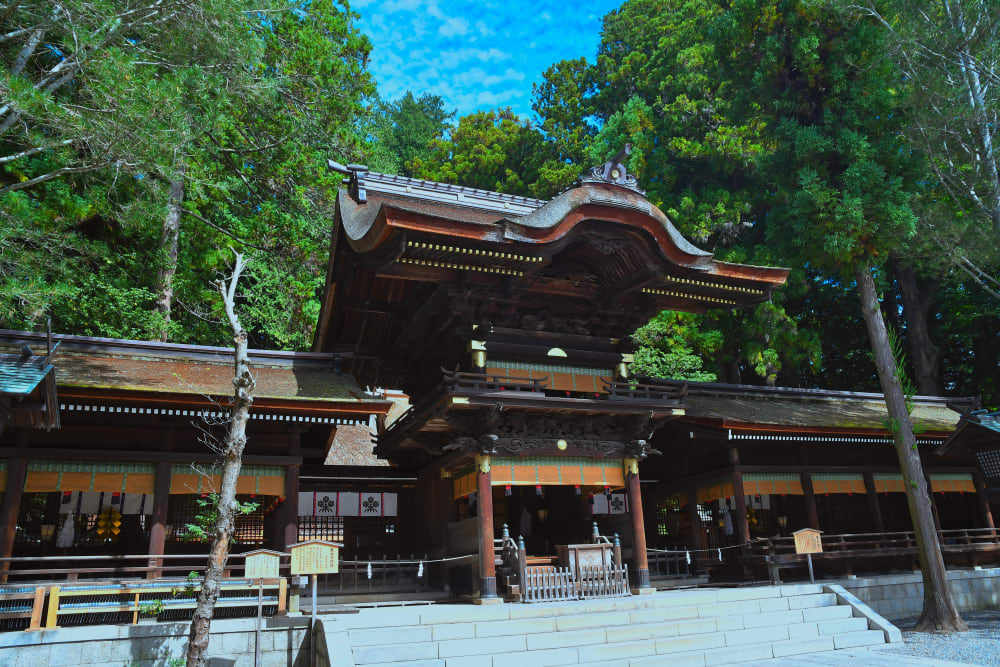
Suwa Taisha Shrine is one of japan‘s oldest and most revered shrines. Located in Suwa City, Nagano Prefecture, it consists of four shrine complexes: Kamisha Honmiya, Kamisha Maemiya, Shimosha Akimiya, and Shimosha Harumiya. Each complex has its own unique features and historical significance.
The shrine is famous for its Onbashira Festival, which takes place once every seven years. This festival is renowned across Japan for its unique and dynamic events, attracting both locals and visitors from outside the area. One of the main highlights of the festival is the transportation of giant fir trees from the mountains to the nearby village. These trees, which are over 200 years old, are cut down and then slid down the mountainside for 10-20 kilometers. This process is done purely through manpower, without the use of machinery. The trees are then erected at the four corners of each shrine, symbolizing the renewal of the shrine’s spiritual power.
One of the unique features of Suwa Taisha Shrine is the division between the Kamisha and Shimosha groups. The Kamisha shrines, located on the southern shore of Lake Suwa, revere the mountain, while the Shimosha shrines, located on the northern shore, worship the trees. This division reflects the deep connection between the shrine and its natural surroundings. The Kamisha Maemiya, considered the birthplace of the Suwa faith, is dedicated to Suwa Myojin, the guardian deity of agriculture, industry, victory, and military fortune. The Kamisha Honmiya, on the other hand, is known for its historic structures such as the Shikyakumon Gate and the Nunohashi Bridge.
The Shimosha Harumiya and Shimosha Akimiya, part of the Shimosha group, also hold significant cultural and historical value. Shimosha Harumiya is known for its Kagura Hall, Heihaiden Hall, and the united cedar trees that are considered a united matchmaking tree. Shimosha Akimiya, on the other hand, features a pair of bronze komainu (guardian dogs) and the Heihaiden Hall. Both shrines offer visitors a chance to experience the spiritual power and serenity of the Suwa faith.
To visit Suwa Taisha Shrine, there are several transportation options available. From JR Kami-Suwa Station, the main Kamisha Honmiya is about 50 minutes by bus or 15 minutes by taxi. From Kamisha Honmiya, it’s a 30-minute walk to Kamisha Maemiya, and another 30-minute walk from Kamisha Maemiya to JR Chino Station. For the Shimosha group, Shimosha Akimiya is a 10-minute walk from JR Shimo-Suwa Station, followed by a 15-minute walk to Shimosha Harumiya. From Shimosha Harumiya, it is a 15-minute walk back to JR Shimo-Suwa Station.
For those traveling from Tokyo, the Azusa Limited Express from Shinjuku Station offers a direct route to Chino Station, with a travel time of approximately two hours. There is also a direct express bus service from Shinjuku’s express bus terminal. Traveling between the Kamisha and Shimosha groups takes about 30 minutes by car.
While visiting Suwa Taisha Shrine, there are several things not to be missed. One is observing the posts at each shrine’s four corners, which are carried from the mountains during the Onbashira Festival. Another is cleansing your hands at the unusual chozuya, which spouts hot spring water. Additionally, a visit to the Manji no Sekibutsu stone Buddhist statue near Shimosha Harumiya is recommended, as it is revered for its spiritual power and ability to grant wishes.
In conclusion, Suwa Taisha Shrine is a historic and culturally significant site in Nagano Prefecture, Japan. Its unique festival, the Onbashira Festival, attracts visitors from all over the country. With its four shrine complexes, each with its own distinctive features, the shrine offers a deep connection to nature and a chance to experience the spiritual power of the Suwa faith. Whether visiting one group or all four shrines, a trip to Suwa Taisha Shrine is a must for those seeking a deeper understanding of Japanese culture and history.
Address And Maps Location:
1 Nakasumiyayama, Suwa-shi, Nagano-ken
Find Location And Direction On Google Maps
Subscribe, follow travelbloggerindonesia.com