Okawachiyama—a hidden village where japan‘s imperial kilns were kept
Introduction
Okawachiyama, located in Imari, Saga Prefecture, is known as the “Village of Secret Kilns.” From 1675 to 1871, it served as the official kiln of the Nabeshima family of the Saga Domain and was a prominent production center of porcelain. The pottery produced in Okawachiyama was of the highest quality and was highly sought after by the Imperial Court, the shogunate, and various feudal lords. Today, Okawachiyama offers visitors a glimpse into the rich history and craftsmanship of Japan’s imperial kilns.
Scenic Beauty and Historical Significance
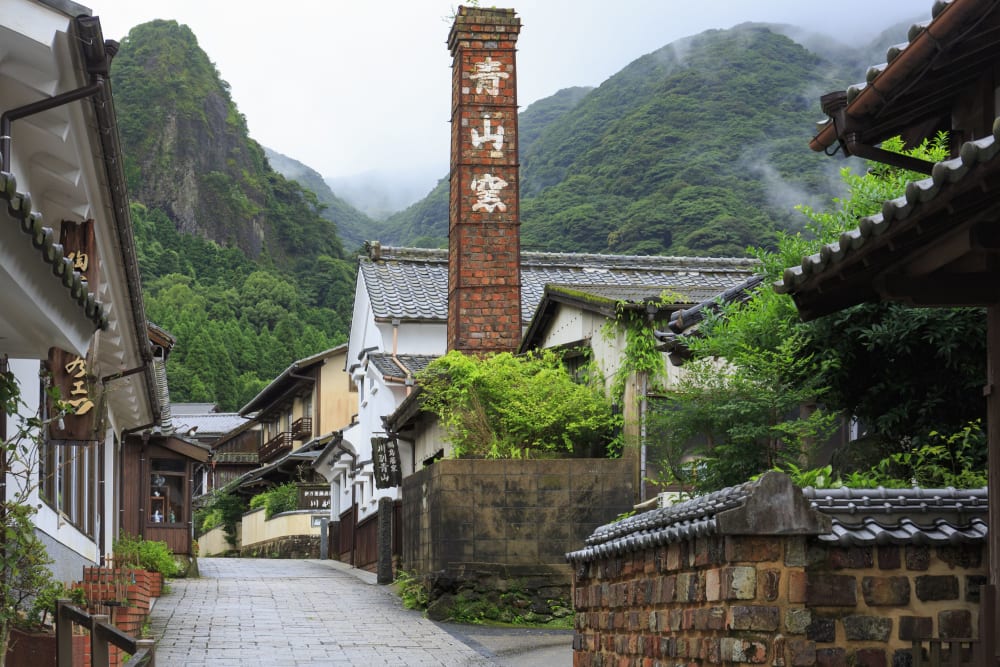
Okawachiyama is characterized by its picturesque scenery, resembling a landscape painting. The village is surrounded by mountains on three sides, creating a serene and tranquil atmosphere. The stands of brick chimneys and kilns that dot the landscape add to the village’s charm and historical significance.
One of the highlights of Okawachiyama is the Nabeshima Hanyo Park, situated amidst nature and boasting an impressive history. The park is a testament to the village’s past as a thriving kiln center. Visitors can explore the park and learn more about the Nabeshima clan’s pottery-making techniques and their dedication to preserving their secretive production methods.
Strict Control of Production Techniques
The Nabeshima clan ruled the Saga Domain from the 17th to the 19th centuries, and pottery produced in Okawachiyama was known as Nabeshima-yaki. To protect their secretive techniques, the Nabeshima family moved their kiln from Arita to the steep terrain of Okawachiyama. They established a guard post at the village entrance to strictly control access to the kiln.
Highly skilled potters were responsible for producing the exquisite Nabeshima-yaki. These craftsmen focused on creating custom-ordered offerings for the Imperial Court, shoguns, and feudal lords, without concern for profitability. The pottery made in Okawachiyama became highly esteemed and was regarded as a symbol of the Nabeshima clan’s power and influence.
Potters with Samurai Status
The potters who worked in Okawachiyama enjoyed a unique status similar to that of samurai. They were paid by the Nabeshima clan and were allowed to use their family names. However, their work was managed by a government office that enforced strict rules, including restrictions on entering and exiting the village.
A pyramid-shaped monument and 880 unmarked graves pay tribute to the Korean potters and other craftsmen who contributed to the kiln’s success. These individuals played a crucial role in the production of Nabeshima-yaki and their contributions are honored in Okawachiyama.
A Walk Through Okawachiyama
Visitors to Okawachiyama can embark on a journey through the village’s rich history and explore the pinnacle of modern pottery in Japan. The present-day kilns in the village have inherited the advanced techniques developed in the old kilns and have introduced new techniques, ensuring the preservation of over 350 years of Nabeshima-yaki heritage.
As visitors stroll through Okawachiyama, they will be captivated by the unexplored beauty of the surrounding mountains and the unique atmosphere created by the smoke from the kilns. The village and the adjacent Nabeshima Hanyo Park are filled with ceramic pieces embedded in various structures, including bridges and signboards, further enhancing the charm of the area.
Ceramic Art Experiences
In addition to exploring the history of Nabeshima ware, visitors to Okawachiyama can also engage in hands-on ceramic art experiences. At the present-day kiln, they can not only purchase Nabeshima-yaki porcelain but also try their hand at the pottery wheel and paint their own ceramics. These experiences allow visitors to create personalized tableware, such as cups and plates, and make unforgettable memories of their trip.
Special events are held in Okawachiyama throughout the four seasons, providing visitors with unique opportunities to immerse themselves in the world of pottery. Whether it’s participating in workshops or witnessing live demonstrations, these events offer insights into the craftsmanship and artistry behind Nabeshima-yaki.
Other Sights in Okawachiyama
In addition to the kilns, Okawachiyama boasts numerous other historical sites that further enrich the visitor’s experience. Traditional pottery houses and the potters’ unmarked grave site offer glimpses into the daily lives of the craftsmen who contributed to the village’s legacy.
Conclusion
Okawachiyama is a hidden gem that showcases the rich history and craftsmanship of Japan’s imperial kilns. The village’s association with the Nabeshima clan and its strict control of production techniques have contributed to the preservation and reputation of Nabeshima-yaki. Visitors to Okawachiyama can immerse themselves in the beauty of the surroundings, learn about the village’s history, and even participate in ceramic art experiences. By exploring this hidden village, one can gain a deeper appreciation for the artistry and dedication that went into creating the exquisite porcelain that once graced the tables of emperors and feudal lords.
Keywords: Culture, Pottery
Recommended for You:
– Arita Porcelain Park: Another must-visit destination for pottery enthusiasts is Arita Porcelain Park. Located in the neighboring town of Arita, the park offers a comprehensive experience of Arita ware, one of Japan’s most famous pottery styles. Visitors can explore the park’s exhibitions, watch pottery demonstrations, and even try their hand at creating their own Arita ware.
– Tozan-jinja Shrine: For those interested in the spiritual side of Saga Prefecture, a visit to Tozan-jinja Shrine is recommended. Located in Imari, this shrine is dedicated to the mountain deity and offers a peaceful and serene atmosphere. The shrine’s architecture and natural surroundings make it a perfect place for contemplation and relaxation.
In conclusion, Okawachiyama is a destination that combines natural beauty, historical significance, and artistic craftsmanship. The village’s imperial kilns and the production of Nabeshima-yaki have left an indelible mark on Japan’s pottery history. Whether you are a pottery enthusiast or simply appreciate the beauty of traditional crafts, a visit to Okawachiyama is sure to leave a lasting impression.
Address And Maps Location:
Imari-shi, Saga-ken
Find Location And Direction On Google Maps
Subscribe, follow travelbloggerindonesia.com