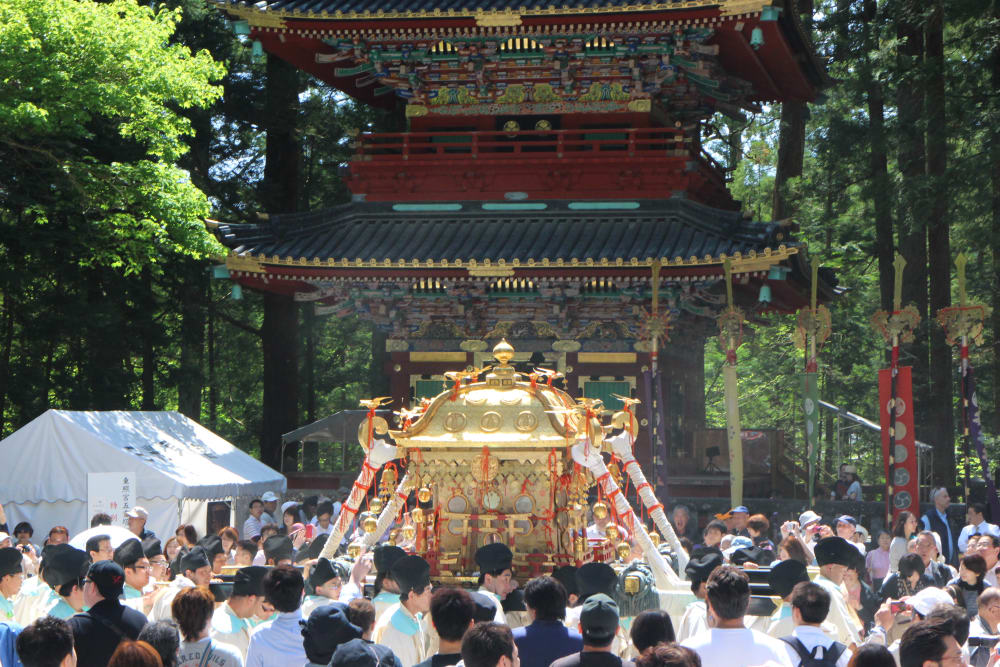
A Festival Honoring the Burial of One of japan‘s Most Influential Leaders
Introduction
Toshogu Shrine, located in Nikko, Japan, is a sacred place built to honor and deify Tokugawa Ieyasu, one of Japan’s most influential leaders. After his death, the shrine was constructed to enshrine his spirit and commemorate his legacy. Twice a year, Toshogu Shrine celebrates the momentous occasion of his spirit arriving at the shrine with the Shuki Taisai Grand Autumn Festival. This festival is a significant event in Japanese culture and attracts visitors from all over the world. In this article, we will explore the history and significance of Toshogu Shrine and delve into the various attractions and activities that can be experienced during the Shuki Taisai Grand Autumn Festival.
History of Toshogu Shrine
Toshogu Shrine holds great historical and cultural significance in Japan. It was built in 1617 by Tokugawa Hidetada, the second Shogun of the Tokugawa dynasty, to honor his father, Tokugawa Ieyasu. Tokugawa Ieyasu was a powerful leader who unified Japan and established the Tokugawa Shogunate, which ruled the country for over 250 years. His burial at Toshogu Shrine marked the beginning of his deification and the establishment of the shrine as a sacred site.
The shrine complex is a masterpiece of Japanese architecture and craftsmanship. It is known for its intricate and ornate decorations, including the famous Yomeimon Gate, which is adorned with over 500 beautifully carved sculptures. Toshogu Shrine is also a designated UNESCO World Heritage site, recognizing its cultural and historical significance.
The Shuki Taisai Grand Autumn Festival
The Shuki Taisai Grand Autumn Festival is one of the most important events held at Toshogu Shrine. It takes place every year on October 16th and 17th, attracting thousands of visitors who come to witness the grandeur and cultural richness of the festival.
One of the highlights of the festival is the samurai parade, where 1,000 fully armored samurai march along the streets, recreating the escort of Tokugawa Ieyasu’s spirit to Toshogu Shrine. This parade is a spectacle to behold, with the samurai showcasing their skills and precision in synchronized movements. The sight of these warriors in their traditional armor is a powerful reminder of Japan’s feudal past and the legacy of Tokugawa Ieyasu.
In addition to the samurai parade, there are various shows and events that take place during the festival. Visitors can enjoy demonstrations of traditional warrior skills, such as longbow archery and horseback archery. These displays highlight the martial prowess and discipline of the samurai, giving visitors a glimpse into Japan’s rich warrior heritage.
Exploring Toshogu Shrine
Apart from the festival, Toshogu Shrine itself is a fascinating place to explore. The shrine complex is divided into several areas, each with its own unique features and significance.
One of the must-see attractions is the Yomeimon Gate, also known as the “Gate of the Setting Sun.” This gate is considered one of Japan’s most beautiful and elaborate structures. It is adorned with intricate carvings and vibrant colors, depicting various mythical creatures and scenes from Japanese folklore. The craftsmanship and attention to detail are truly remarkable, making it a favorite spot for photographers and history enthusiasts.
Inside the shrine complex, visitors can also find the main hall, where the deified spirit of Tokugawa Ieyasu is enshrined. The interior of the hall is adorned with gold leaf and intricate paintings, creating a majestic and awe-inspiring atmosphere. Visitors can offer prayers and pay their respects to the legendary leader.
Another notable feature of Toshogu Shrine is the Sacred Stable, which houses the famous “Three Wise Monkeys” carvings. These carvings depict three monkeys covering their eyes, ears, and mouth, symbolizing the principle of “see no evil, hear no evil, speak no evil.” The monkeys have become a popular symbol in Japanese culture and are often associated with Toshogu Shrine.
Getting to Toshogu Shrine
Toshogu Shrine is conveniently located in Nikko, making it easily accessible by public transportation, car, or even on foot. The closest station to the shrine is Nikko Station, which can be reached by train from Tokyo in approximately two hours.
If you have the time and prefer to enjoy a scenic walk, you can embark on a 45-minute journey from Nikko Station to Toshogu Shrine. Along the way, you will pass through charming streets and picturesque landscapes, immersing yourself in the beauty of Nikko.
Alternatively, you can take the World Heritage Sightseeing Bus from Nikko Station, which stops at various UNESCO Heritage sites, including Toshogu Shrine. The bus ride takes approximately 15 minutes and allows you to explore multiple attractions in the area.
Conclusion
The Shuki Taisai Grand Autumn Festival at Toshogu Shrine is an event that should not be missed by anyone interested in Japanese history and culture. It offers a unique opportunity to witness the traditions and customs associated with the deification of Tokugawa Ieyasu and the samurai culture of Japan. The festival brings together locals and visitors in a celebration of Japan’s rich heritage and serves as a reminder of the influential leaders who shaped the nation.
Beyond the festival, Toshogu Shrine itself is a treasure trove of architectural wonders and historical significance. From the intricately carved Yomeimon Gate to the sacred halls and the famous Three Wise Monkeys, the shrine offers a glimpse into Japan’s past and showcases the country’s craftsmanship and artistic traditions.
Whether you are a history buff, a photography enthusiast, or simply curious about Japanese culture, Toshogu Shrine and the Shuki Taisai Grand Autumn Festival are experiences that will leave a lasting impression. So make sure to plan your visit accordingly and immerse yourself in the beauty and grandeur of this remarkable cultural heritage site.
Address And Maps Location:
2301 Sannai, Nikko-shi, Tochigi-ken
Find Location And Direction On Google Maps
Subscribe, follow travelbloggerindonesia.com