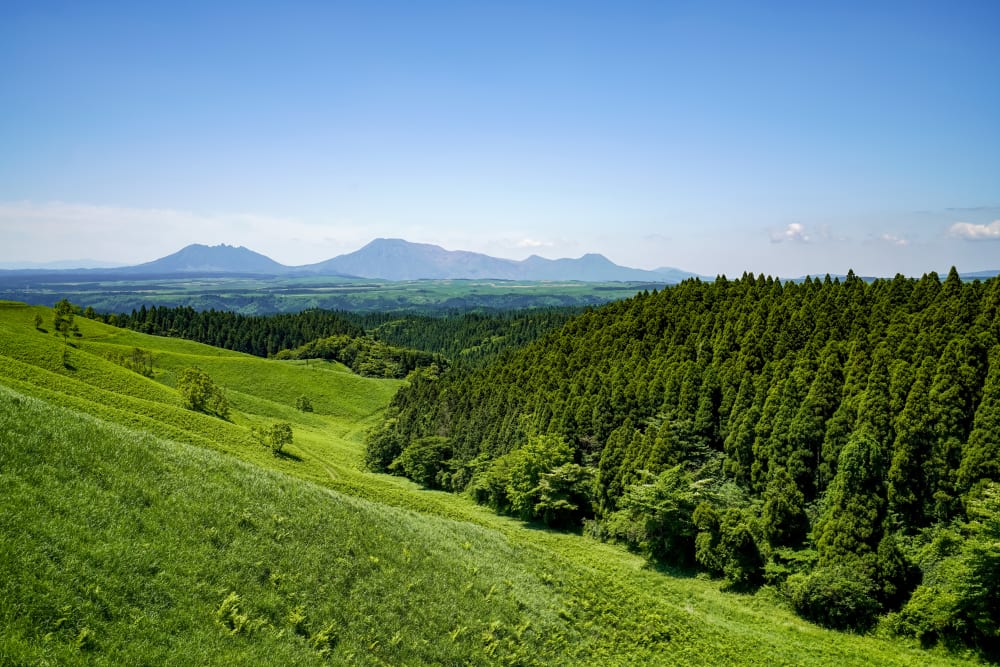
National Park where Hiking and Hot Spring Options Abound
The Kurokawa and Kuju areas in Kyushu, japan‘s southern island, are renowned for their natural beauty and offer a wide range of outdoor activities such as hiking and hot springs. Located in the Aso-Kuju National Park, these areas are a haven for nature enthusiasts and adventure seekers.
The Kuju mountain range, which is part of the Aso-Kuju National Park, boasts the highest peak on Kyushu. It offers breathtaking views of the surrounding volcanic area and is a popular destination for hikers. The area is also home to Mt. Aso, Japan’s largest active volcano, which adds to the dramatic landscape.
One of the highlights of the Kuju area is the opportunity to dip in a natural “soda pop hot spring” in Kuju. These hot springs are known for their mineral-rich waters and are believed to have therapeutic properties. The experience of bathing in these hot springs is both relaxing and rejuvenating, making it a must-try activity for visitors.
In addition to hiking and hot springs, the Kurokawa area offers a unique cultural experience. Visitors can stroll through the streets of Kurokawa in traditional yukata robes, immersing themselves in the local culture. The town is known for its well-preserved hot spring facilities and has around 30 different bathhouses to choose from. The outdoor rotenburo baths, with their stunning views of the forest and sounds of the river, are particularly popular among visitors.
To access the Kurokawa and Kuju areas, driving is the best option. However, buses are also available for those who prefer public transportation. The mountains are about two hours from Kumamoto or 75 minutes from Beppu by car via the Trans Kyushu Route. Buses are available from these cities to the trailheads for hiking in Kuju.
For those who are interested in hiking the Kuju mountain trails, there are two main trailheads to choose from. The Chojabaru Visitor Center provides information about the area and access to the marshlands, while the Makinoto Pass is closer to the peaks. There are various routes to choose from, but it’s important to note that a round trip encompassing the main peaks can take up to six hours to complete.
If you prefer a less physically demanding experience, you can enjoy the views of the Kuju mountains by following the elevated wooden walkways around the visitor center. This 2.5-kilometer loop takes about 30-40 minutes to complete and provides a glimpse of the natural beauty of the area without the need for strenuous hiking.
The best time to visit the Kuju and Kurokawa areas depends on your preferences. If you’re interested in hiking the Kuju peaks, it’s important to consider the time of year. From December to March, the peaks are usually covered in snow, making them inaccessible. The autumn months of October and November are ideal for enjoying the spectacular colors of the autumn leaves. Spring is also a beautiful time to visit, as the area is covered in new blooms.
Regardless of the season, a trip to the Kuju and Kurokawa areas wouldn’t be complete without experiencing the local hot springs. The volcanic activity in the area contributes to the high-quality waters and unique characteristics of the baths. One of the notable hot springs is the Lamune Onsen in the Nagayu area, which offers carbonated “soda pop” water. The nearby onsen town of Kurokawa, with its 30 different bathhouses, is another popular destination for hot spring enthusiasts.
When visiting the hot springs in Kurokawa, it’s important to be aware of the cultural practices and etiquette. Traditionally, hot springs were gender-separated, with men and women using different areas. Nowadays, it’s common to see facilities with red curtains for women and blue curtains for men. Children are usually allowed to enter either bath, as long as they are accompanied by an adult.
For visitors with specific needs, such as wheelchair users or those with tattoos, there are options available. Some of the onsens offer barrier-free bathing for wheelchair users, while others provide private baths for visitors who prefer not to bathe in front of strangers. This is particularly useful for those with tattoos, as many traditional onsen facilities do not permit guests with tattoos to enter the public baths.
To make the most of your visit to Kurokawa, consider staying overnight in one of the hot spring facilities that also function as traditional ryokan inns. This will give you the opportunity to try more baths and enjoy a traditional Japanese hot spring experience. Many ryokan have their own personal hot spring facilities in the rooms, as well as access to the public baths. Additionally, there are plenty of local specialties to sample at the ryokan’s restaurants.
In conclusion, the Kurokawa and Kuju areas in Kyushu offer a unique and unforgettable experience for nature lovers and outdoor enthusiasts. From scenic hiking trails to relaxing hot springs, there is something for everyone in these beautiful and culturally rich areas. Whether you choose to explore the Kuju mountains or immerse yourself in the hot springs of Kurokawa, you’re sure to create lasting memories of your time in Japan’s southern island.
Address And Maps Location:
Aso-shi, Kumamoto-ken
Find Location And Direction On Google Maps
Subscribe, follow travelbloggerindonesia.com