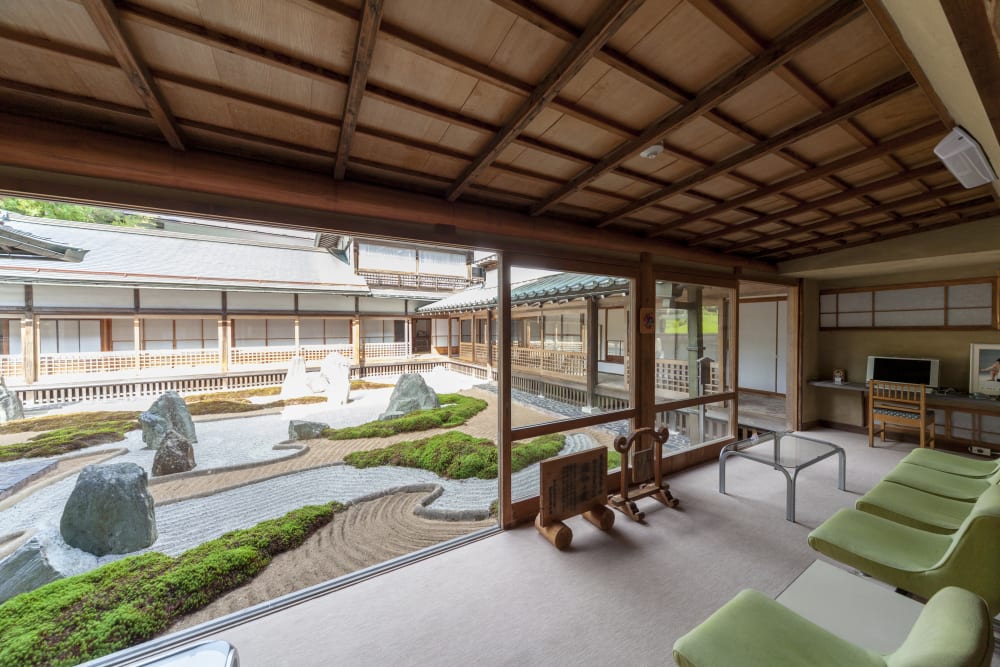
Get spiritual at the 1,200-year-old center of Shingon Buddhism
Introduction
For pilgrims trekking the Kumano Kodo Pilgrimage Route, the glow of the lanterns of sacred Koyasan is sure to be a welcome sight after traveling such a long way. Koyasan, located in Wakayama Prefecture, is a 1,200-year-old center of Shingon Buddhism and is considered one of japan‘s most sacred sites. It is home to numerous temples and monastic lodgings known as shukubo. These shukubo offer an authentic and immersive experience, allowing visitors to get a glimpse into the spiritual life of Buddhist monks.
A rare retreat
Spending a night in Koyasan’s traditional shukubo offers an experience of Shingon Buddhist monastic life. Shingon is a form of esoteric Buddhism that originated in southern India and was introduced to Japan from China in the early 9th century. Koyasan is home to Kongobu-ji, the head temple of Shingon Buddhism, and Okunoin, the mausoleum of the sect’s founder Kobo Daishi. To stay at Koyasan is to spend the night in a holy place.
More than just lodging
Experiencing Buddhist practices and activities during your stay will help you understand monastic life more deeply. Many temples offer ajikan experiences led by monks. Ajikan is a form of Shingon Buddhist meditation that focuses on visualizing the mantra and achieving a state of deep concentration. For those looking to reset their inner balance, walking meditation through the well-kept halls and gardens is also available. Visitors can also experience sutra copying, or shakyo, where they can write over faintly printed Chinese characters. This practice is believed to bring good fortune and deepen one’s understanding of Buddhist teachings.
The morning ritual of Otsutome is another highlight of staying at a shukubo. Visitors can join monks in chanting sutras in the main hall, with the aroma of incense wafting in the air. This serene and meditative experience is a powerful way to start the day and connect with the spiritual energy of Koyasan.
The original soul food
Koyasan’s shukubo also offer a unique culinary experience. The vegetarian Buddhist cuisine known as shojin ryori is popular among visitors. Each meal is free of meat, fish, green onion, garlic, and other stimulants. The delicate dishes incorporate seasonal ingredients and are meticulously prepared to nourish both the body and soul. Vegan-friendly shojin ryori is also available, ensuring that all visitors can enjoy this traditional and healthy cuisine.
How to get there
Reaching Koyasan requires a journey through the mountainous forests of Wakayama. The most convenient way to access Koyasan is from Osaka’s Namba Station. Take the Nankai Koya Line and transfer to the cable car at Gokurakubashi Station. Alternatively, you can take a train from Wakayama Station to a station midway on the Nakai Koya Line. The scenic train ride is part of the pilgrimage experience and offers stunning views of the surrounding nature.
Quick facts
Koyasan is a registered UNESCO World Heritage Site, reflecting its cultural and historical significance. There are 51 lodges offering shukubo experiences, providing a range of options for visitors to choose from. It is important to note that due to the popularity of Koyasan, reservations should be made well in advance to secure a spot at a shukubo.
Conclusion
A visit to Koyasan is not just a journey to a sacred site; it is an opportunity to immerse oneself in the spiritual traditions of Shingon Buddhism. Staying at a shukubo allows visitors to experience the daily routines and practices of Buddhist monks, providing a unique and transformative experience. From participating in meditation sessions to enjoying traditional vegetarian cuisine, every aspect of the stay at Koyasan is designed to nourish the mind, body, and soul. Whether you are a pilgrim on the Kumano Kodo route or simply seeking a deeper connection to spirituality, Koyasan offers a truly unforgettable experience.
Address And Maps Location:
Koya-san, Koya, Wakayama-ken
Find Location And Direction On Google Maps
Subscribe, follow travelbloggerindonesia.com