Blended Beliefs in Mountain Asceticism at Kinpusenji Temple near Mt. Yoshino
Introduction
Located near Mt. Yoshino in Nara, japan, Kinpusenji Temple is a significant religious site that practices Shugendo mountain asceticism. This sect combines elements of Shinto and Buddhist beliefs, making it a unique and important place of worship. With its rich history, stunning architecture, and spiritual significance, Kinpusenji Temple attracts visitors from all over the world. In this article, we will explore the temple’s history, its main attractions, and its role as a pilgrimage site.
History of Kinpusenji Temple
Kinpusenji Temple has a long and fascinating history that dates back over a thousand years. It was founded in the 8th century and has since been an important center for Shugendo practitioners. Shugendo is a form of mountain asceticism that combines elements of Buddhism, Shintoism, and Taoism. It emphasizes the harmony between humans and nature and seeks spiritual enlightenment through physical and mental endurance.
The temple’s association with Shugendo has shaped its beliefs and practices. Shugendo practitioners believe that by immersing themselves in the natural world and pushing their physical and mental limits, they can achieve a deeper level of spiritual awakening. Kinpusenji Temple serves as a sanctuary for these practitioners, offering them a place to train, meditate, and seek enlightenment.
The Three Statues of Zao Gongen
One of the most striking features of Kinpusenji Temple is the presence of three blue-skinned statues of Zao Gongen. These statues, which stand an impressive seven meters tall, represent the past, present, and future salvation of people’s lifetimes. They are believed to possess divine powers and are revered by Shugendo practitioners and visitors alike.
The statues are over 1,300 years old and are only open for viewing during specific times of the year. When they are accessible, visitors can witness the awe-inspiring beauty and spiritual significance of these ancient artifacts. The statues serve as a reminder of the deep-rooted beliefs and traditions that have been preserved at Kinpusenji Temple for centuries.
The Main Building – Zaodo Hall
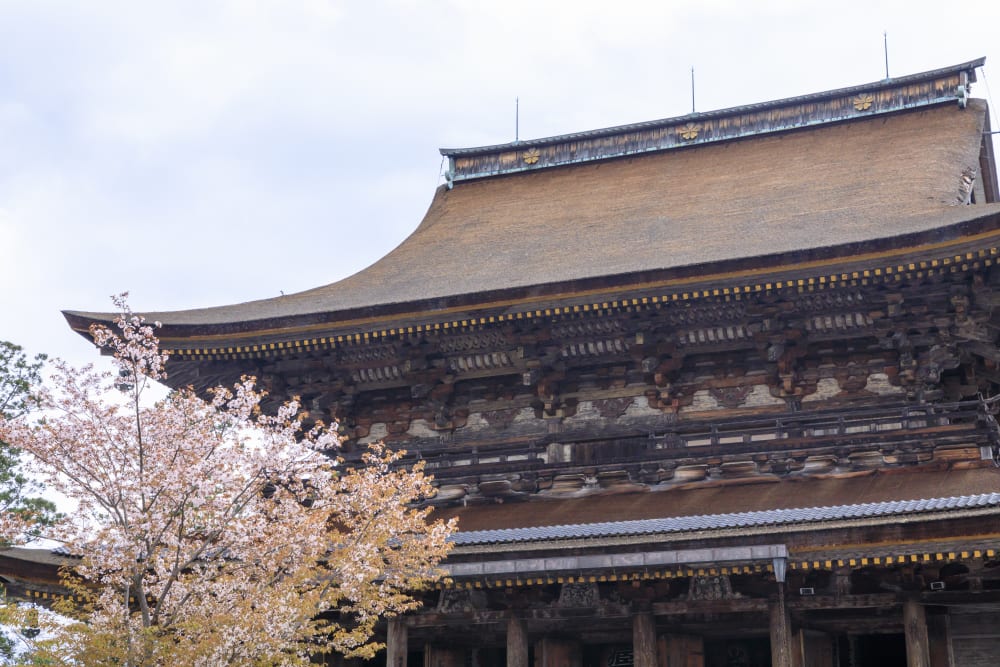
Another notable feature of Kinpusenji Temple is its main building, the Zaodo hall. This hall is the second largest wooden structure in Japan, surpassed only by the Great Buddha Hall at Todaiji Temple. The architecture of the Zaodo hall is a testament to the skill and craftsmanship of the ancient builders who constructed it.
The hall’s grandeur and intricate design make it a must-visit attraction for anyone interested in Japanese architecture and history. Inside the hall, visitors can experience a sense of tranquility and serenity. The hall’s spacious interior and subdued lighting create an atmosphere that is conducive to meditation and introspection.
Surrounded by World Heritage Sites
Kinpusenji Temple is not only a remarkable religious site on its own, but it is also part of a larger UNESCO World Heritage site. The entire area, which includes Kinpusenji Temple and the nearby Kinpu-jinja Shrine, is recognized as part of the Sacred Sites and Pilgrimage Routes in the Kii Mountain Range.
This designation highlights the cultural and historical significance of the region. It also emphasizes the interconnectedness of various religious sites in the area. Visitors to Kinpusenji Temple can explore the surrounding World Heritage sites and gain a deeper understanding of the region’s spiritual and historical importance.
Train Your Physical and Mental Endurance
For those seeking a more immersive experience, Kinpusenji Temple offers training events from May through October. These events are designed to test the physical and mental endurance of participants. Activities such as hanging off cliffs and sitting under waterfalls are intended to push individuals beyond their comfort zones and challenge their limits.
The training events are guided by experienced Shugendo practitioners who provide guidance and support throughout the process. Participants can learn about the principles of Shugendo and gain a firsthand experience of the rigorous training that is central to this spiritual practice. These events offer a unique opportunity to deepen one’s understanding of Shugendo and its significance in Japanese culture.
The Rengekai Toad Festival
One of the most vibrant and festive events at Kinpusenji Temple is the Rengekai Toad Festival. Held annually on July 7th, this festival commemorates a local legend of a man who was transformed into a toad because he did not take his religious practices seriously. However, the story has a happy ending, as a priest later restored him to his human form.
During the festival, the town of Yoshino-cho comes alive with colorful decorations and lively performances. Toad and frog statues can be found throughout the town, symbolizing the transformation and redemption depicted in the legend. The festival is a celebration of faith, redemption, and the power of religious rituals to bring about positive change.
Conclusion
Kinpusenji Temple is a place where ancient beliefs and traditions come to life. Its association with Shugendo, its awe-inspiring statues, and its rich history make it a must-visit destination for those interested in Japanese culture, spirituality, and architecture. Whether you are a devout follower of Shugendo or simply curious about the blending of Shinto and Buddhist beliefs, Kinpusenji Temple offers a unique and enlightening experience.
As you explore the temple grounds, take a moment to reflect on the centuries of devotion and spiritual seeking that have taken place within these walls. Allow yourself to be enveloped by the tranquility and serenity of this sacred space. Kinpusenji Temple is a testament to the power of faith, endurance, and the human capacity for spiritual growth.
Address And Maps Location:
Yoshinoyama, Yoshino-cho, Yoshino-gun, Nara-ken
Find Location And Direction On Google Maps
Subscribe, follow travelbloggerindonesia.com