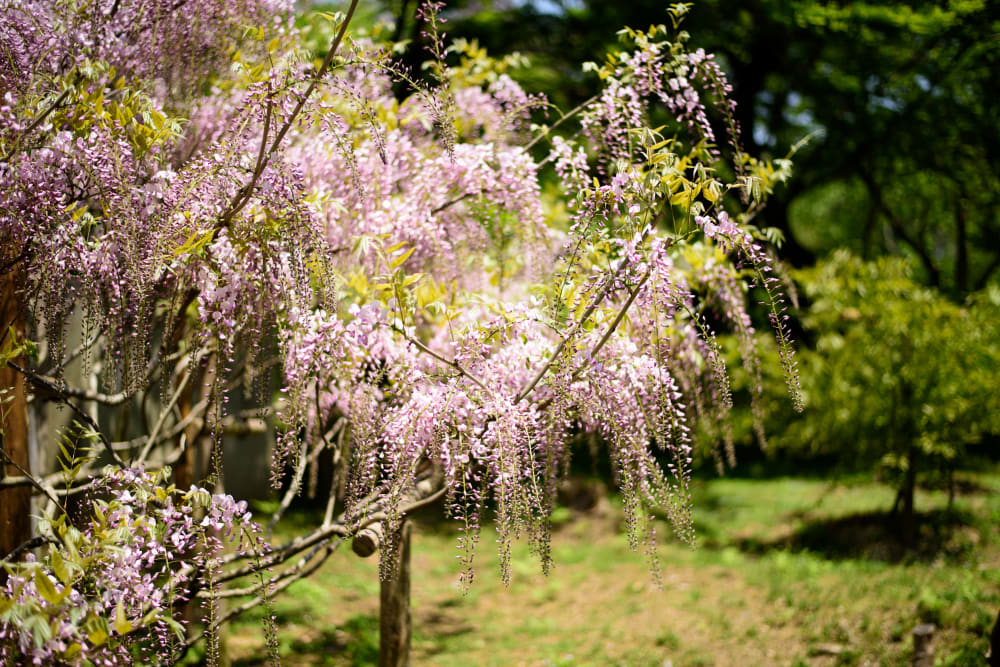
Celebrate the Delicate Beauty of Wisteria at the Flower’s Signature Shrine
Introduction
The Kasuga Taisha Shrine in Nara Prefecture is a place that truly comes to life every spring when more than 200 wisteria trees are in full bloom. This shrine, known for its delicate beauty, is a must-visit destination for nature lovers and those seeking a glimpse of japan‘s rich cultural heritage. The wisteria bloom is the symbol of the shrine, and even the shrine maidens, known as mikanko, wear headpieces decorated with the elegant purple flower. In this article, we will explore the beauty and significance of the Kasuga Taisha Shrine and its wisteria trees.
A Flower with a Hidden Meaning
The wisteria holds historical significance as it was the flower emblazoned on the family crest of the Fujiwara clan, which dominated the government of Japan from 710 to 1160. The clan had control over much of Nara, the ancient capital of Japan before Kyoto, and they built the main shrine building of Kasuga Taisha Shrine in 768, following the instructions of Empress Shotoku. The wisteria, therefore, holds a special place in the hearts of the people of Nara and symbolizes the rich history and cultural heritage of the region.
The Kasuga Taisha Shrine Manyou Botanical Garden
For those who wish to witness the wisteria trees in their full glory, the Kasuga Taisha Shrine Manyou Botanical Garden is the best place to visit. This garden is home to more than 200 trees and 20 species of wisteria, making it a paradise for botanists and nature enthusiasts. Walking through the garden, visitors can marvel at the vibrant colors and intoxicating fragrance of the wisteria blooms. It is truly a sight to behold and an experience that should not be missed.
One of the highlights of the garden is the Sunazuri no Fuji, a drooping, aged wisteria tree with flowers growing so long that they nearly touch the ground. This tree, estimated to be over 700 years old, is the oldest and largest wisteria tree on the premises. Its majestic presence and graceful beauty make it a favorite spot for visitors to take photographs and immerse themselves in the tranquility of nature.
How to Get There
The Kasuga Taisha Shrine is easily accessible by bus or on foot. From either JR Nara Station via the Yamatoji Line or the Kintetsu Nara Station via the Nara Line, visitors can take a bus bound for Kasuga Taisha Honden and get off at the Kasuga Taisha Honden bus stop. The journey takes about 10-15 minutes. Alternatively, visitors can take a bus towards Shinai Junkan Sotomawari by the City Loop Bus Outer Circle and alight at the Kasuga Taisha Omote Sando. From there, it is a pleasant 10-minute walk to the shrine. For those who prefer to explore the area on foot, the shrine is approximately a 20-minute walk from the Kintetsu Nara Station.
Conclusion
The Kasuga Taisha Shrine in Nara Prefecture is a place of immense beauty and cultural significance. Its wisteria trees, in full bloom during the spring season, attract visitors from all over the world who come to witness the delicate beauty of these flowers. The shrine’s connection to the historical Fujiwara clan and its location in the ancient capital of Japan make it a must-visit destination for history enthusiasts as well. Whether you are a nature lover, a history buff, or simply someone seeking a peaceful escape from the hustle and bustle of everyday life, the Kasuga Taisha Shrine is a place that will captivate your heart and leave you with lasting memories. So, make sure to include this enchanting shrine in your travel itinerary and experience the magic of wisteria in full bloom.
Address And Maps Location:
160 Kasugano-cho, Nara-shi, Nara-ken
Find Location And Direction On Google Maps
Subscribe, follow travelbloggerindonesia.com