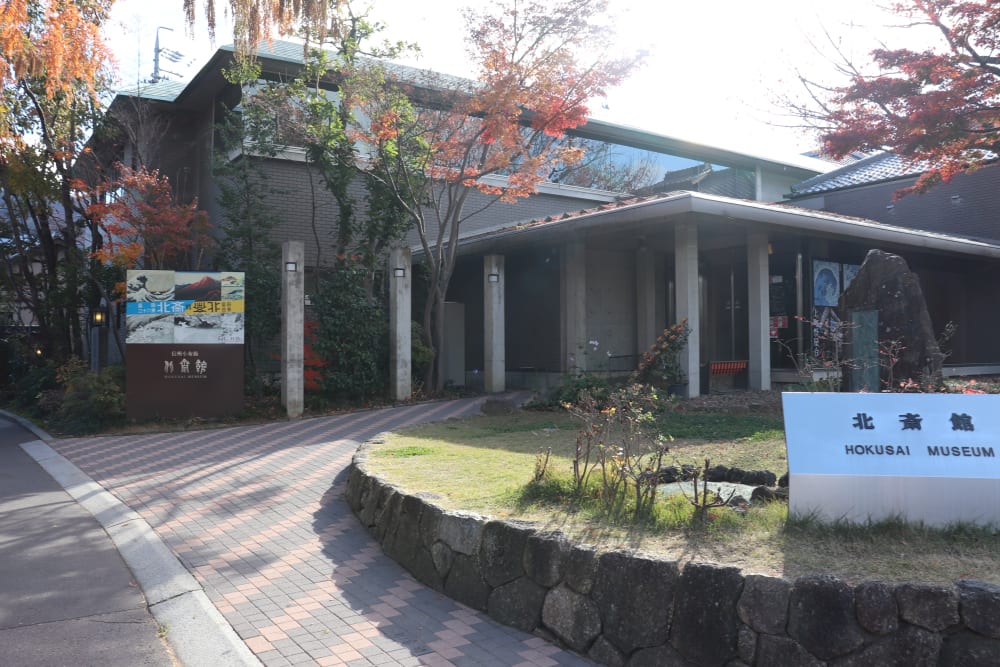
A collection from the floating world of Hokusai
Introduction
The Hokusai Museum is a diverse tribute to the renowned Japanese artist Hokusai Katsushika, who visited several times near the end of his life in the charming town of Obuse, about 20 kilometers northeast of Nagano. This museum is a treasure trove of his work, showcasing his mastery of Ukiyo-e, a Japanese genre of painting and woodblock printing that flourished between the late 17th and late 19th centuries. Hokusai’s art had a significant impact on both Japanese and Western artists, making him one of japan‘s most prominent artists of his time. In this article, we will explore the fascinating world of Hokusai and the Hokusai Museum in Obuse.
The Master in Obuse
Hokusai Katsushika was a master of Ukiyo-e, an art form that depicted everyday themes preferred by ordinary people. The word “ukiyo” means “this world” or “the present world,” and Ukiyo-e artworks showcased scenes of daily life, cities and towns, beautiful women, and travel landscapes. Hokusai’s famous Thirty-Six Views of Mt. Fuji series, which includes the renowned painting of the Great Wave off Kanagawa, exemplifies this Japanese aesthetic. His work not only captivated the Japanese audience but also influenced Western artists like Monet and Van Gogh.
When Hokusai arrived in Obuse in 1844, he was already one of Japan’s most prominent artists. He was invited by a local merchant, Takai Kozan, to work from his studio annex and create a variety of new works. The Hokusai Museum, established in 1976, pays homage to Hokusai’s legacy by showcasing his woodblock prints, hanging scrolls, festival floats, and other works. One of the highlights of the museum is the display of Hokusai’s rare three-dimensional artwork, which provides visitors with a unique perspective on his artistic skills.
The museum also houses an elaborate ceiling mural at Ganshoin Temple, located about two kilometers away. This Soto Zen temple, founded in 1472, features Hokusai’s mural as one of his final large-scale installations. Visitors can take a 30-minute walk or a 10-minute bus ride from central Obuse to witness this stunning masterpiece.
While in Obuse
Obuse, the town where the Hokusai Museum is located, is known for its scenic beauty and charming atmosphere. The streets of Obuse are paved with blocks of chestnut wood, creating a unique and nostalgic ambiance. Visitors can enjoy leisurely strolls through the town, exploring the refurbished townscape and visiting the many shops and cafes.
Obuse has long been famous for its chestnuts, and visitors can indulge in various chestnut confectionaries and cakes at the town’s charming cafes. Local sake is also popular in Obuse, with some brews still being handcrafted in cedar barrels. For those interested in sake tasting, a visit to Masuichi-Ichimura brewery or Matsubaya is highly recommended.
Exploring the Surroundings
Aside from the Hokusai Museum, there are several other attractions worth visiting in Obuse. One of them is the Takai Kozan Memorial Museum, where visitors can view some of Takai Kozan’s own work. The museum also houses the historical Yuzenro building, where literati and artists such as Gyosai and Shozan had discussions with Kozan. This museum provides insights into the artistic and intellectual history of Obuse.
For nature enthusiasts, a visit to the nearby Jigokudani Monkey Park is a must. Located in the Joshinetsu Kogen National Park, this park is famous for its hot spring-bathing Japanese macaques, also known as snow monkeys. Visitors can observe these fascinating creatures up close and witness their unique behavior.
How to Get There
Reaching Obuse is relatively easy, with convenient transportation options available. From Nagano City, a half-hour train ride will take you to Obuse via the Nagano Electric Railway. If you are coming from Tokyo, Nagano City is just a one hour and 20-minute ride on the Hokuriku Shinkansen. Travelers from Osaka and Kyoto can take the shinkansen to Nagoya and then transfer to the Shinano Express, which will bring them to Nagano. Once you arrive in Obuse, the Hokusai Museum is just a 12-minute walk from Obuse Station.
Conclusion
The Hokusai Museum in Obuse is a testament to the artistic prowess and lasting legacy of Hokusai Katsushika. Visitors can immerse themselves in the world of Ukiyo-e and witness the beauty and intricacy of Hokusai’s artwork. The museum’s collection of woodblock prints, hanging scrolls, festival floats, and rare three-dimensional works offers a comprehensive overview of Hokusai’s artistic journey. Additionally, exploring the charming town of Obuse and its surrounding attractions provides a well-rounded experience for visitors. Whether you are an art enthusiast, a nature lover, or simply seeking a unique cultural experience, a visit to the Hokusai Museum and Obuse is highly recommended.
Address And Maps Location:
Obuse 485, Obuse-machi, Kamitakai-gun, Nagano-ken
Find Location And Direction On Google Maps
Subscribe, follow travelbloggerindonesia.com