Hachinohe Enburi Festival: A Celebration of Spring and Tradition
Introduction
In the coastal city of Hachinohe, located in Aomori Prefecture, japan, there is an annual event that marks the arrival of spring in a unique and vibrant way. Known as the Hachinohe Enburi Festival, this four-day celebration showcases special folk dances and traditions that have been passed down through generations. With its roots dating back to the Kamakura period, this festival holds great cultural significance and is recognized as a National Important Intangible Folk Property of Japan. In this article, we will delve into the fascinating history, traditions, and highlights of the Hachinohe Enburi Festival.
The Origins of Hachinohe Enburi Festival
The Hachinohe Enburi Festival is believed to have originated during the Kamakura period, which lasted from 1185 to 1333. According to historical records, the festival began when some retainers of Mitsuyuki Nanbu, the founder of the Nanbu clan, started dancing with swords during a New Year’s drinking party, causing quite a commotion. However, a wise farmer named Toukuro, who happened to be nearby, intervened by picking up his farming tools and singing a rice-planting song. This act diffused the tension and brought harmony to the gathering, eventually leading to the creation of the enburi dances.
The Enburi Dances: Naga-enburi and Dosai-enburi
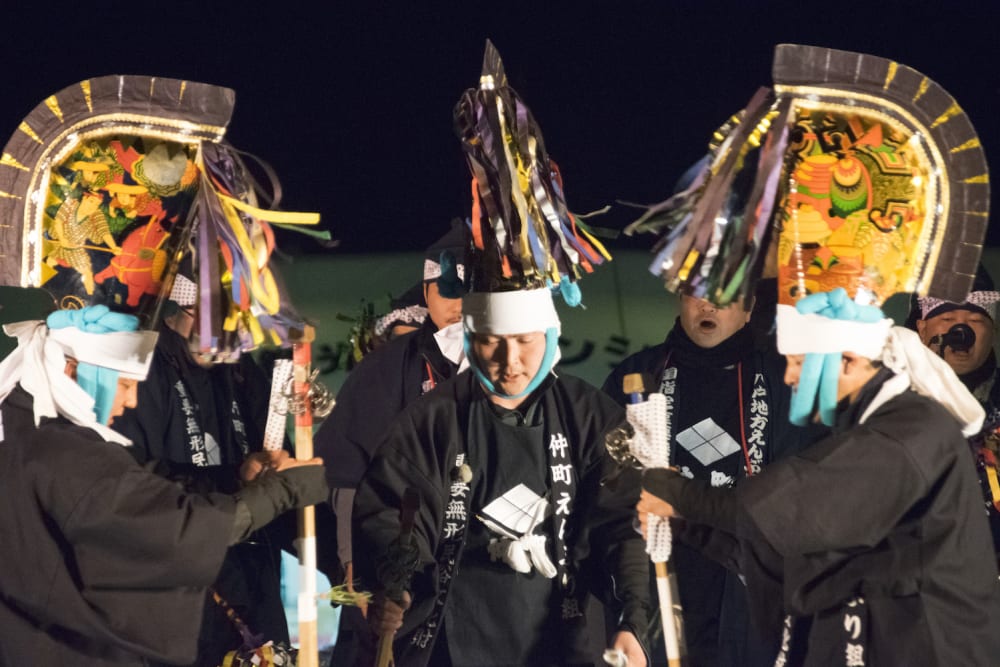
The highlight of the Hachinohe Enburi Festival is undoubtedly the enburi dances, which are performed by skilled dancers wearing vibrant costumes and eboshi hats shaped like a horse’s neck. There are two main types of enburi dances: Naga-enburi and Dosai-enburi.
Naga-enburi is characterized by its slow and graceful movements, showcasing the elegance and precision of the performers. The dancers glide across the stage, captivating the audience with their fluid motions and intricate footwork. On the other hand, Dosai-enburi is lively and energetic, filled with dynamic jumps, spins, and quick steps. This type of dance exudes a sense of joy and excitement, reflecting the vibrant spirit of the festival.
Both Naga-enburi and Dosai-enburi have been designated as National Important Intangible Folk Properties of Japan, highlighting their cultural significance and the skill required to perform them. These dances serve as a testament to the rich heritage and traditions of the Hachinohe region.
A Fiery Celebration Every Night
As the sun sets, the Hachinohe Enburi Festival takes on a mesmerizing and enchanting atmosphere. Each night, the festival culminates with a spectacular bonfire held in the public square in front of the Hachinohe City Office. The warm glow of the flames creates a dreamlike ambiance, enhancing the allure of the performances. The combination of the dances, costumes, and the flickering firelight creates an unforgettable experience for both locals and visitors alike.
Throughout the festival, attendees have the opportunity to indulge in traditional treats that are synonymous with the Hachinohe Enburi Festival. One such delicacy is amazake, a piping-hot sweet fermented rice drink that warms the soul on cold winter nights. Additionally, Hachinohe senbei soup, a traditional dish made with rice crackers, offers a unique and flavorful taste that complements the festive atmosphere. These culinary delights provide a glimpse into the gastronomic traditions of ancient Japan, allowing festival-goers to immerse themselves in a bygone era.
How to Get There
Hachinohe Enburi Festival takes place in the city center of Hachinohe, which is the second-largest city in Aomori Prefecture. The festival is easily accessible by train, with the nearest station being Hon-Hachinohe Station. To reach Hachinohe City, visitors can take the Tohoku Shinkansen from Tokyo to Hachinohe Station and then transfer to the Hachinohe Line. From Hachinohe Station, it is only a short two-stop journey to Hon-Hachinohe Station, which is in close proximity to the festival venues.
The central festival locations, such as Hachinohe Public Hall and the stage in front of the City Office, are within walking distance from Hon-Hachinohe Station. For those looking to explore further, Chojasan Shinra-jinja, a shrine that plays a significant role in the festival, is a pleasant 20-minute walk from Hon-Hachinohe Station. The convenient transportation options and the festival’s central location make it easily accessible for both domestic and international visitors.
Don’t Miss: Enburi Dances and Eboshi Hats
When attending the Hachinohe Enburi Festival, there are several highlights that should not be missed. Firstly, the enburi dances themselves are a must-see. These dances have been recognized as a National Important Intangible Folk Property of Japan, signifying their cultural importance and artistic value. Witnessing the grace and skill of the dancers as they perform these traditional dances is a truly captivating experience.
Another notable feature of the festival is the eboshi hats. Shaped like a horse’s neck, these unique headpieces are an iconic symbol of the Hachinohe Enburi Festival. The intricate craftsmanship and vibrant colors of the hats add an element of grandeur to the performers’ costumes, enhancing the visual spectacle of the dances.
Conclusion
The Hachinohe Enburi Festival is a celebration of spring’s arrival and a testament to the rich cultural heritage of the Hachinohe region. With its origins dating back to the Kamakura period, this festival has become an integral part of the local community, showcasing the traditions and customs that have been passed down through generations. The enburi dances, with their grace and energy, serve as a reminder of the importance of preserving cultural heritage.
Attending the Hachinohe Enburi Festival provides a unique opportunity to immerse oneself in the vibrant traditions of Japan. From the slow and graceful Naga-enburi dances to the lively and energetic Dosai-enburi performances, each moment is filled with beauty and emotion. The bonfires that light up the night sky create a magical ambiance, transporting visitors to a different time and place.
As you explore the festival grounds and witness the enburi dances, take a moment to savor the traditional treats and immerse yourself in the atmosphere of ancient Japan. The Hachinohe Enburi Festival is not just a celebration of spring; it is a celebration of tradition, culture, and the enduring spirit of the Hachinohe community.
Address And Maps Location:
1-6-10 Choja, Hachinohe-shi, Aomori-ken
Find Location And Direction On Google Maps
Subscribe, follow travelbloggerindonesia.com