Key Takeaways
The Bangkok Folk Museum: A Journey Through Time
Introduction to the Bangkok Folk Museum
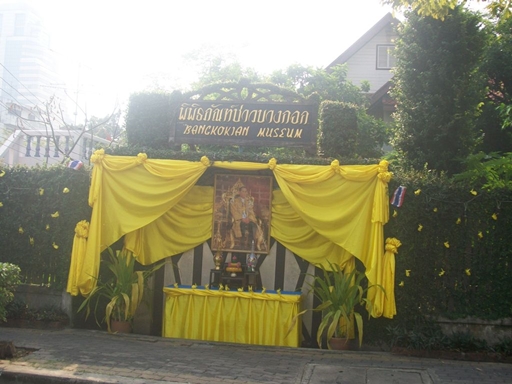
The Bangkok Folk Museum, also known as the Bangkokian Museum, was founded by the Culture, Sports, and Tourism Department. This initiative began in 2003 with the establishment of museums across four areas, one of which is the Bangrak Museum. Situated at house number 273, Soi Charoen Krung 43, Charoen Krung Road, Bang Rak District, Bangkok, this museum stands opposite the General Post Office of Bang Rak. Housed in an ancient building constructed in 1937, the museum offers an intriguing glimpse into the local history, culture, art, and intellectual pursuits of the area.
Historical Background and Establishment
The museum’s origin traces back to AChan Waraporn Surawadee’s vision of transforming her inherited house into a center of learning for students. The house, passed down from her mother, Sa-Ang Surawadee (Tan Boon Teck), was meticulously restored to its present form as a private museum. On October 1, 2004, the ownership of the house was transferred to the Bangkok Metropolitan Authority, thus formalizing its status as a public attraction.
Location and Accessibility
The museum is strategically located in Bang Rak, a historically significant area since the end of the Ayutthaya Period. This locale has long served as a hub for holiday relaxation, international meetings, and business arrangements. Visitors can easily reach the museum via several bus routes, including numbers 1, 16, 35, 75, and 93, which pass along Charoen Krung Road.
Exhibits and Cultural Significance
A Glimpse into Bangkok’s Middle Class
The museum’s exhibits focus on the lifestyle of Bangkok’s middle class before and after the Second World War. The displays offer an in-depth look at how these communities lived, worked, and evolved during periods of significant change. Visitors can explore various facets of daily life, from domestic routines to social interactions, all meticulously depicted through artifacts and historical narratives.
Development and Urbanization in Bang Rak
The museum also highlights the development and urbanization of Bang Rak and thailand as a whole. Key topics include road construction, transport evolution, trading area development, and the nascent real estate industry. These exhibits provide a comprehensive overview of the transformative processes that shaped modern Bangkok.
Significant Landmarks and Historical Figures
Adjacent to the museum are several landmarks of historical and cultural importance, such as Assumption Cathedral, Lerdsin Hospital, Wat Mahapruettharam Worawihan, and Wat Phra Si Maha Uma Devi. The area also boasts educational institutions like Bangkok Christian College and is the site of Thailand’s first flat and club, established during King Rama V’s reign. Notable figures associated with this area include Luang Praditmanutham, Dr. Puey Ungphakorn, and Prof. Suluck Siwaluck.
Visiting Information and Contact Details
The Bangkok Folk Museum welcomes visitors from Wednesday to Sunday, including public holidays, from 9 a.m. to 4 p.m., while remaining closed on Mondays and Tuesdays. Admission is free, allowing everyone to explore the museum’s offerings without financial constraints. For more information, visitors can contact the museum at 0 2233 7027.
Conclusion
The Bangkok Folk Museum serves as a vital repository of the city’s rich heritage, offering insights into the historical and cultural evolution of Bangkok. Its exhibits provide a window into the past, allowing visitors to appreciate the complexities and nuances of the city’s development. Through its well-preserved artifacts and compelling narratives, the museum not only educates but also inspires a deeper understanding of the cultural tapestry that defines Bangkok today.
Address And Location:
Si Phraya Bang Rak Bangkok 10500