Key Takeaways
Introduction to Amphawa Chaipattana Nurak
Amphawa Chaipattana Nurak is situated in the Amphawa District, close to the renowned Amphawa Floating Market. This initiative is a royal project under the guidance of Her Royal Highness Princess Maha Chakri Sirindhorn. She delegated the Chaipattana Foundation to utilize a piece of land donated by Mr. Prayong Nakhawarang, an Amphawa local, with the purpose of benefiting the Amphawa Community. The project aims to sustain Thai traditional wisdom and preserve the lifestyle of the Amphawa people. Amphawa boasts a rich history that showcases Thai heritage, enabling future generations to appreciate its illustrious past. Through exhibitions and the conservation of cultural artifacts, Amphawa is recognized as a vibrant community rich in Thai culture and traditions. The local residents take great pride in their heritage.
The Structure of Amphawa Chaipattana Nurak Conservation Project
The History of Amphawa Society and the King’s Sufficiency Economy
The project area is divided into several sections, starting with the history of Amphawa Society and the principles of the King’s Sufficiency Economy. This section offers insights into how the community has evolved over time and the sustainable practices encouraged by the late King Bhumibol Adulyadej. The Sufficiency Economy philosophy advocates for moderation, responsible consumption, and resilience against external shocks, which are principles highly valued in the Amphawa community.
Agricultural Demonstration Farm
The Agricultural Demonstration Farm is another key component of the project, featuring a coconut orchard and various other plant species. This farm serves as a practical example of sustainable agricultural practices, aligning with the King’s Sufficiency Economy principles. Visitors can learn about traditional farming techniques and how they are integrated with modern sustainable practices to promote environmental conservation and economic stability.
Nakhawarang Cultural Playground
Named after Mr. Prayong Nakhawarang, the Nakhawarang Cultural Playground is a space dedicated to cultural activities and play. It provides a venue for community gatherings, cultural performances, and educational workshops. This playground is a testament to the community’s commitment to nurturing cultural heritage and providing spaces for social interaction and cultural exchange.
Activity Spaces and Amphawa Souvenir Shops
The project also includes spaces designated for organizing various activities, which help engage visitors and locals alike in cultural and educational experiences. Amphawa souvenir shops are strategically placed within the project area, offering handmade products and traditional crafts that represent the unique cultural identity of the Amphawa community.
Local Amphawa Museum
Inside the main building, the local Amphawa museum showcases household items discovered within the Amphawa district. These artifacts provide a glimpse into the daily lives of the people who have lived in this region over the centuries, highlighting the evolution of cultural practices and domestic life in Amphawa.
Villager’s Shops and Traditional Coffee Houses
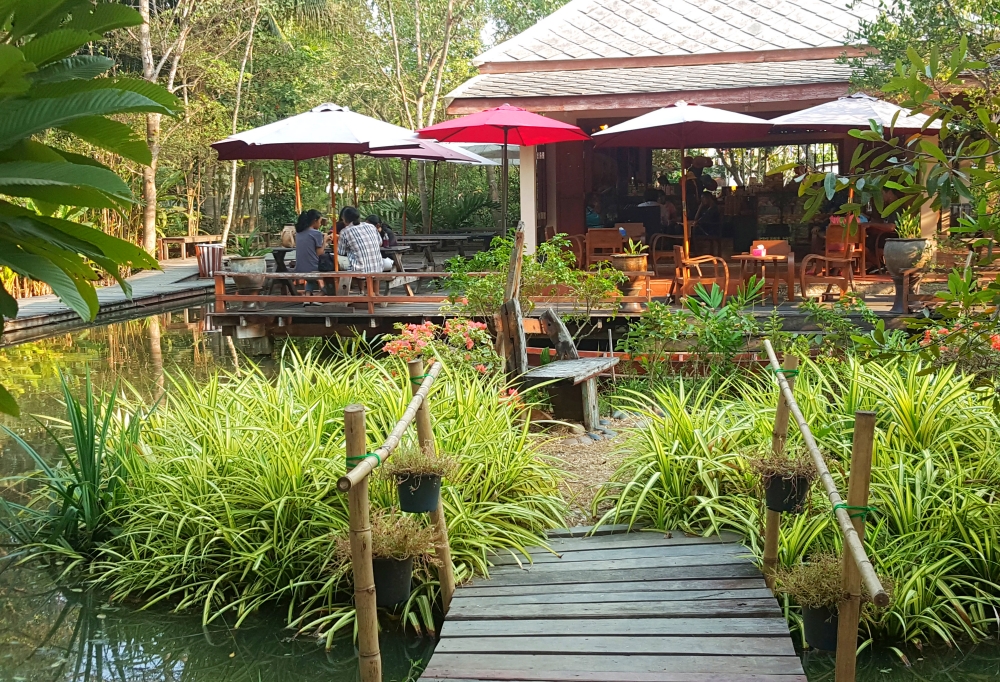
Amphawa is home to numerous villager’s shops and traditional establishments like Chaan Chala Coffee & Tea House. Here, visitors can enjoy drinks and snacks while soaking in the vintage ambiance of the 200-year-old coffee shop. The preservation of these traditional businesses reflects the community’s dedication to maintaining its cultural heritage while offering visitors an authentic experience.
Ban Khru Eua: A Tribute to a Cultural Icon
Near the project area is Ban Khru Eua, a house dedicated to the life and work of Khru Eua Sunthornsanan, also known as Soontharaporn. Khru Eua was a renowned music teacher and singer in thailand. The house exhibits his biography, works, and personal belongings, providing insight into his contributions to Thai music and culture.
Visiting Amphawa Chaipattana Nurak
For those interested in visiting the Amphawa Chaipattana Nurak project, further information can be obtained by contacting the Information Service of the Chaipattana Foundation. They can be reached at Tel. 0 3475 2245 or through their website at www.chaipat.or.th. Visitors are encouraged to explore the various sections of the project to gain a comprehensive understanding of Amphawa’s cultural and historical significance.
—
Detailed Exploration of Each Section
The History of Amphawa Society and the King’s Sufficiency Economy
The history of Amphawa is a testament to the resilience and adaptability of its people. The community has thrived over the centuries by adhering to the principles of the King’s Sufficiency Economy, which emphasizes sustainability, self-reliance, and balanced development. This section of the project serves as an educational resource, detailing how the community has integrated these principles into their daily lives. It highlights the importance of sustainable development and showcases successful models of community-based management that have led to economic and environmental sustainability.
Agricultural Demonstration Farm
The Agricultural Demonstration Farm is a living laboratory where visitors can observe and learn about traditional and modern farming practices. The farm is a hub of agricultural innovation, where local farmers and visitors can exchange knowledge and techniques. The coconut orchard is a highlight, demonstrating sustainable cultivation methods that improve yield while preserving the ecosystem. This section underscores the community’s commitment to environmental stewardship and its role in promoting food security and economic independence.
Nakhawarang Cultural Playground
The Nakhawarang Cultural Playground is more than just a recreational space; it is a cultural epicenter where traditions are celebrated and preserved. The playground hosts a variety of cultural events, from traditional dance performances to storytelling sessions that pass down local folklore to younger generations. This vibrant space fosters community spirit and provides a platform for cultural expression, ensuring that Amphawa’s rich heritage is kept alive for future generations.
Activity Spaces and Amphawa Souvenir Shops
The activity spaces within the project are designed to engage both locals and tourists in interactive and educational experiences. These spaces host workshops on traditional crafts, cooking classes focusing on local cuisine, and exhibitions that showcase the unique attributes of the Amphawa community. The souvenir shops offer a curated selection of handcrafted items, each telling a story of Amphawa’s cultural heritage. These shops not only support local artisans but also provide visitors with tangible memories of their visit.
Local Amphawa Museum
The local Amphawa museum is a treasure trove of historical artifacts that paint a vivid picture of the community’s past. Each exhibit is meticulously curated to provide context and insight into the lives of Amphawa’s residents throughout history. The museum serves as an educational resource, offering guided tours that delve into the significance of each artifact and its role in the cultural tapestry of Amphawa. This section of the project is instrumental in preserving the community’s history and educating visitors about the rich cultural heritage of the region.
Villager’s Shops and Traditional Coffee Houses
The villager’s shops and traditional coffee houses are integral to the Amphawa experience. These establishments offer a glimpse into the daily lives of the locals and provide an authentic taste of Amphawa’s culinary heritage. Chaan Chala Coffee & Tea House, with its vintage interior, is a popular spot for visitors to relax and enjoy traditional Thai beverages. These businesses play a crucial role in preserving Amphawa’s cultural identity and contribute to the local economy by attracting tourists and promoting traditional crafts and products.
Ban Khru Eua: A Tribute to a Cultural Icon
Ban Khru Eua is a significant cultural landmark, honoring Khru Eua Sunthornsanan’s legacy and his contributions to Thai music and arts. The house is a repository of his personal artifacts, including musical compositions, photographs, and personal belongings. Visitors can explore his life and achievements, gaining insight into the cultural landscape of Thailand during his time. Ban Khru Eua serves as a reminder of the profound impact that individuals can have on cultural preservation and the arts.
Conclusion
Amphawa Chaipattana Nurak is not just a conservation project; it is a celebration of Thai culture, heritage, and community spirit. Through its various sections, the project offers a comprehensive exploration of Amphawa’s history, traditions, and sustainable practices. Visitors are invited to immerse themselves in the rich cultural tapestry of Amphawa, gaining a deeper appreciation for the community’s resilience, creativity, and commitment to preserving its heritage for future generations.
Address And Location:
185-191 Amphawa Amphawa Samut Songkhram 75110