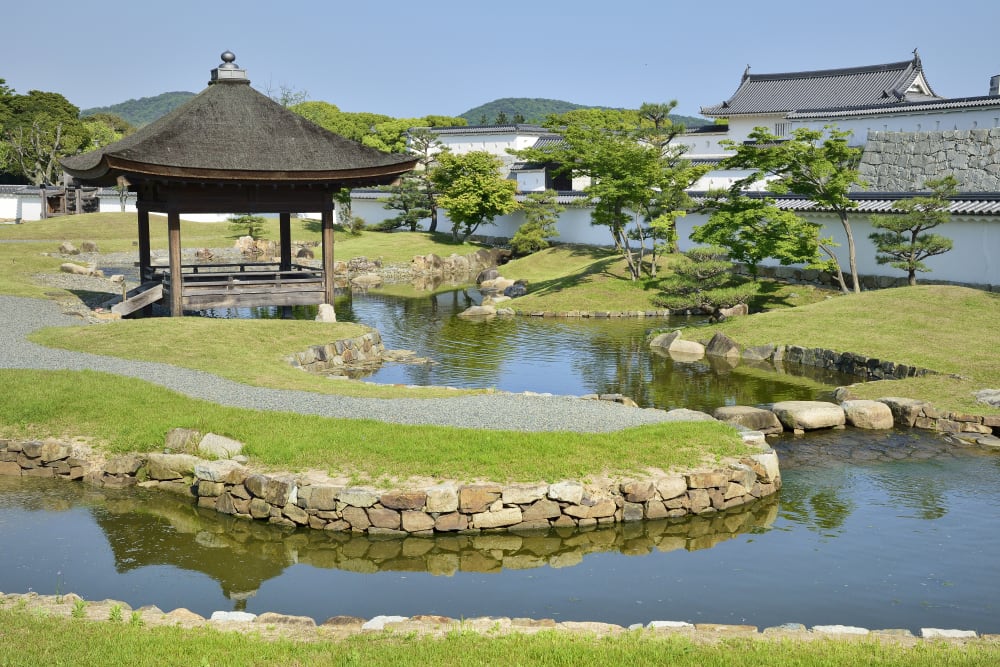
The castle of Ako, known as Ako Castle, holds a significant place in Japanese history and folklore. It is most famous for its association with the legendary story of the 47 ronin, a group of masterless samurai who sought revenge for the death of their lord. Ako Castle is located in the city of Ako in Hyogo Prefecture, japan.
Ako Castle is designated as a nationally recognized Historic Site, highlighting its cultural and historical importance. It is also known for its picturesque gardens, which have been designated as a Place of Scenic Beauty in Japan. The castle’s beautiful and well-preserved architecture has made it a popular filming location for movies, particularly those based on the story of the 47 ronin.
To reach Ako Castle, visitors can take a 15-minute walk from Banshu-Ako Station on the Ako Line, which connects to Okayama City and Himeji. Local buses also provide transportation from the station to the castle. The castle’s accessibility makes it a convenient destination for history and architecture enthusiasts.
One interesting fact about Ako Castle is that it does not have a keep, which is a central tower typically found in Japanese castles. The keep was never built due to the denial of permission by the Tokugawa regime. However, the foundations of the keep can still be seen within the castle grounds. Despite the absence of a keep, Ako Castle’s stone walls and turrets remain in excellent condition, showcasing the architectural prowess of its time.
Within the castle grounds, visitors can explore the Ninomaru Gardens and Oishi Shrine. The gardens are known for their cherry blossoms in spring, creating a captivating sight for nature lovers. Oishi Shrine is dedicated to Yoshio Oishi, the leader of the 47 ronin, and hosts an annual festival on December 14 to commemorate their revenge on Yoshinaka Kira, the master of ceremonies at the Edo shogunate.
The history of Ako Castle is closely intertwined with the tale of the 47 ronin. In 1701, their lord, Asano Naganori, was provoked and insulted by Yoshinaka Kira. This led Asano to draw his sword in the shogun’s palace, which was a grave offense. As a result, Asano was ordered to commit seppuku (ritual suicide), leaving his samurai without a master.
Forty-seven loyal samurai, led by Oishi, vowed to avenge their lord’s death. They meticulously planned their attack and executed it on a snowy night in 1702. Breaking into Kira’s mansion, they killed him and displayed his head at their lord’s grave. The ronin then turned themselves in to the authorities and were ordered to commit seppuku as punishment for their actions.
The story of the 47 ronin, also known as the Ako incident or the revenge of the 47 ronin, has become a symbol of loyalty, honor, and sacrifice in Japanese culture. It has been retold numerous times in books, plays, and movies, solidifying its place in Japanese folklore.
Ako Castle’s location near the sea was once strategic, allowing boats to set sail from the port within its walls. However, due to land reclamation projects, the castle now stands several blocks away from the sea. Despite this change, the castle’s charm and historical significance remain intact.
Visiting Ako Castle provides a unique opportunity to immerse oneself in Japanese history and culture. The castle’s architectural beauty, stunning gardens, and the legend of the 47 ronin make it a must-visit destination for history enthusiasts and those interested in samurai culture.
In conclusion, Ako Castle holds a special place in Japanese history and folklore. Its association with the tale of the 47 ronin and its well-preserved architecture make it a captivating destination for visitors. The castle’s designation as a Historic Site and its picturesque gardens further enhance its appeal. Ako Castle serves as a reminder of the loyalty, honor, and sacrifice exhibited by the 47 ronin, leaving a lasting legacy in Japanese culture.
Address And Maps Location:
1424-1 Kamikariya, Ako-shi, Hyogo-ken
Find Location And Direction On Google Maps
Subscribe, follow travelbloggerindonesia.com